AUTHORITIES are investigating reports of a life-threatening toxin in a major UK city park.
Concerned residents reported a potential outbreak of in a lake, with local reportedly falling sick.
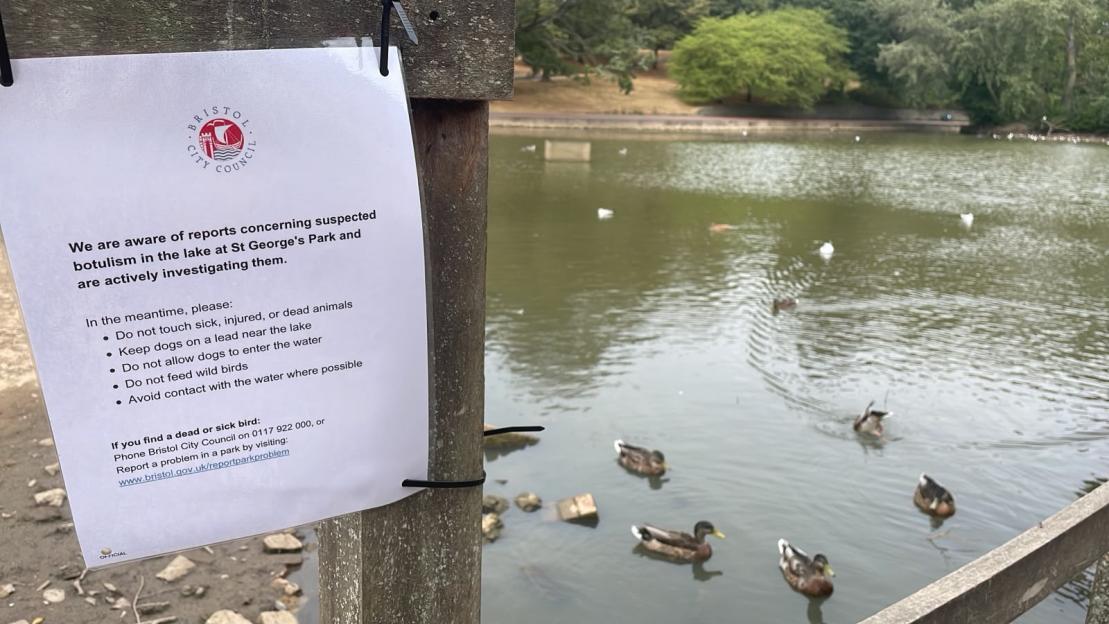 Bristol City Council has warned the public to steer clear of the lake in St George’s Park Credit: BristolLive
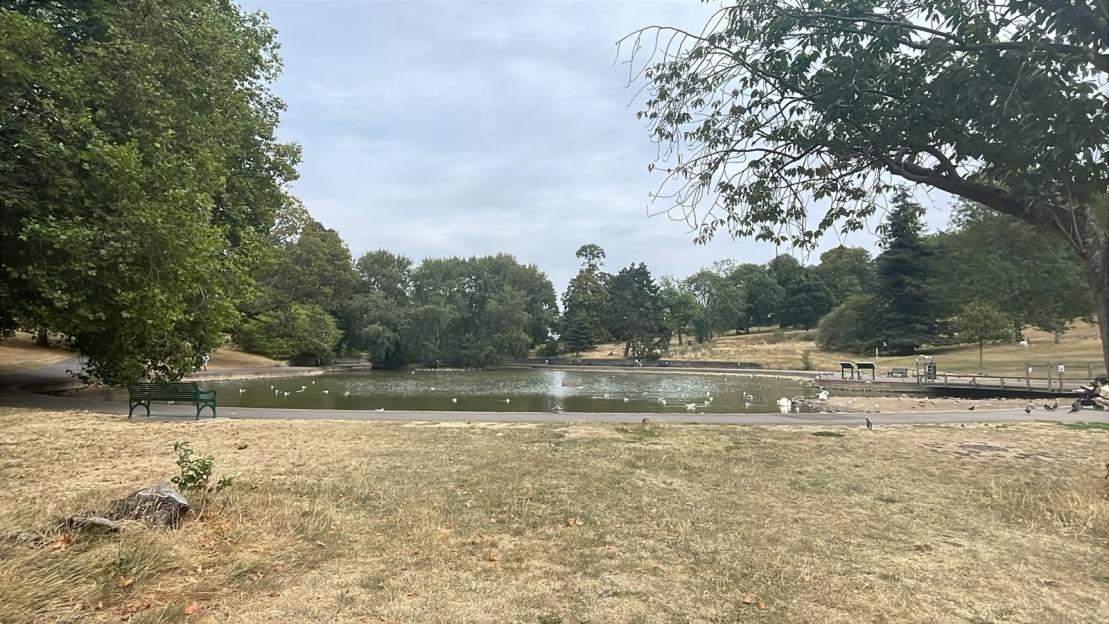 Residents have reported a potential outbreak of boutlism after spotting the affect on wildlife Credit: BristolLive
City Council has confirmed that it is looking into the potential outbreak of conditions associated with at the lake in St George’s Park.
A spokesperson for the council said: “We are aware of reports concerning suspected botulism in the lake at St George Park and are actively investigating them.”
The council has urged members of the public not to touch injured animals in the area and to steer clear of the lake.
Members of the public have also been advised to avoid people and dogs who have come into contact with the water.
Botulism is caused by a paralysing neurotoxin produced by Clostridium botulinum bacteria.
Ingestion of this toxin or the bacteria which produces it can cause and humans to become sick.
While transmission between animals and people is rare, precautions should still be taken.
The illness most often affects humans via contaminated .
According to the , Botulism can be life-threatening and requires immediate treatment in hospital.
The council has reminds people in the area no to touch sick, injured, or dead animals near the lake and keep their own on a lead.
Dog owners should also make sure their does not enter the water, with residents advised to avoid contact with the lake where possible.
Members of the public have also been advised not to feed on wild birds in the area.
If you find a sick or dead bird, phone Bristol City Council on 0117 922 000 or report a problem in a park by visiting the website .
A resident told BristolLive : “Bath Swan Rescue are doing an incredible job responding to the outbreak, voluntarily rescuing and caring for affected wildlife.
“I have raised concerns with Bristol City Council and other relevant organisations, including the Animal Health Team and RSPCA.
Locals shared concerns over a broken aerator in the lake, which they are concerned “could potentially be contributing to environmental conditions associated with botulism”.
“I appreciate that this cannot be assumed to be the cause of the outbreak, but given the circumstances, many residents feel that it warrants urgent investigation,” the resident added.
What is botulism?
Botulism is a rare but severe illness that can kill.
It is caused by a potent toxin produced by bacteria, most commonly Clostridium botulinum.
The NHS states: “These toxins attack the nervous system (nerves, brain and spinal cord) and cause paralysis (muscle weakness).
“Most people will make a full recovery with treatment, but the paralysis can spread to the muscles that control breathing if it is not treated quickly. This is fatal in around five to 10 per cent of cases.”
The symptoms don’t always come on quickly. They can take weeks to show.
There are three main types of botulism:
- Food-borne botulism: When someone eats food containing the toxins because it has not been properly canned, preserved or cooked
- Wound botulism: When a wound becomes infected with the bacteria, usually as a result of injecting illegal drugs like heroin contaminated with the bacteria into muscle rather than a vein
- Infant botulism: When a baby swallows a resistant form of the bacteria, called a spore, in contaminated soil or food, such as honey (these spores are harmless to older children and adults because the body develops defences against them from about the age of one).
Treatment involves neautralising the toxins – and this must be done in hospital.
You must go to A&E or call 999 immediately if you believe you, or someone else, has botulism.
Symptoms can include:
- Drooping eyelids
- Blurred or double vision
- Facial muscle weakness
- Difficulty swallowing (dysphagia)
- Slurred speech
- Breathing difficulties