A MUM takes magic mushrooms to help with the pressure of parenting – and claims it gives her more patience and a stronger connection with her daughter.
Amanda Wilde, 37, took as a teen, but didn’t give them much through until she gave birth to daughter Hazel, now four.
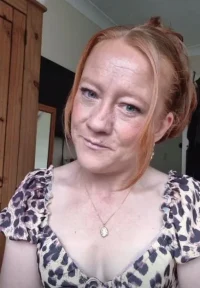
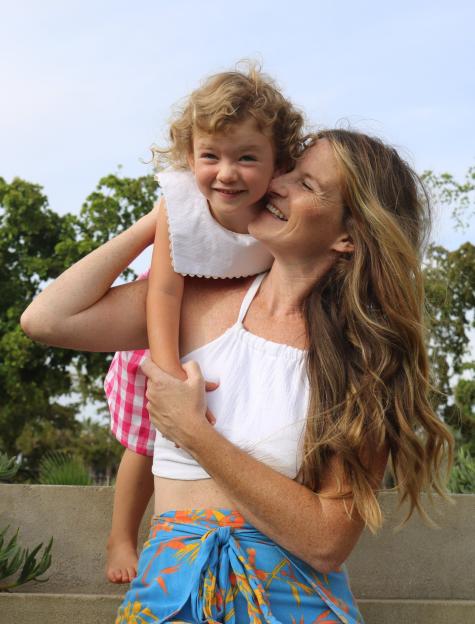 Amanda Wilde says that taking magic mushrooms has eased the anxiety of motherhood Credit: SWNS
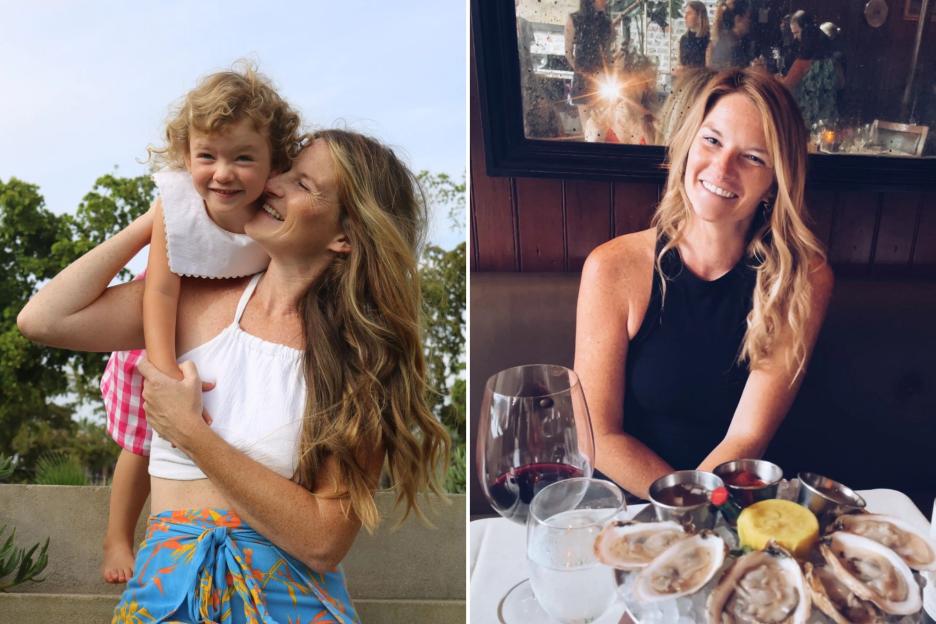
 Rather than microdosing she takes two grams of ‘shrooms’ to ensure she has the full experience Credit: SWNS
Like many new parents, being a mum made her feel anxious – especially because Hazel was born prematurely at 28 weeks and spent three weeks in the .
She started to notice how at times being a mum felt the same as tripping on psilocybin – the psychedelic ingredient found in; a mix of awe and wonder, a new appreciation of the world around you, while also feeling between identities, she said.
So she decided to try taking mushrooms to see if it would help her cope with her parental , trauma and “reconnect with the experience of motherhood”.
She claims it worked and now, Amanda sees the psychedelic as part of her self-care routine, alongside , long walks and seeing friends.
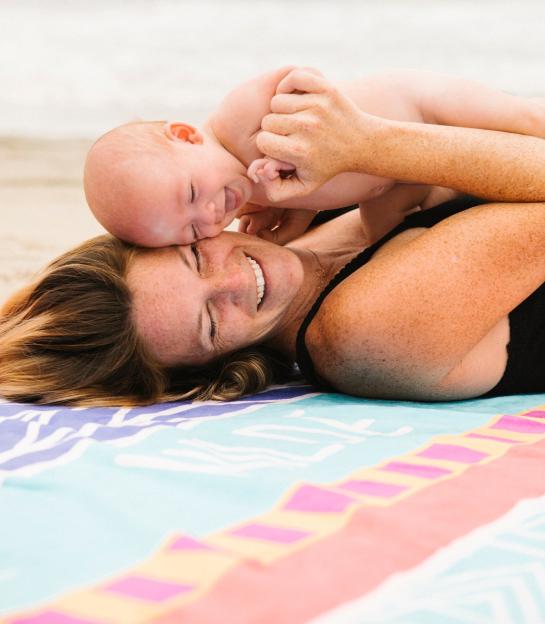 Amanda always makes sure her daughter Hazel is with another responsible adult when she is using mushrooms Credit: SWNS
 DANGERS OF TAKING PSYCHEDELICS
PSYCHEDELICS are powerful and that comes with risks.
Dr Paul Keedwell, fellow of the Royal College of Psychiatrists, says: “The most common risk of taking psychedelics recreationally is experiencing a ‘bad trip’ which can result in overwhelming fear, paranoia and hallucinations.
“Such experiences can lead to panic attacks, accidents and lasting trauma.
“Psilocybin can trigger acute psychosis in those with a history of psychotic episodes or family history of schizophrenia.”
Doctors in Austria reported a case last month of a man who had amputated his penis with an axe after taking magic mushrooms.
Fortunately for the man surgeons were able to perform a successful reconstruction operation.
Dr Keedwell said someone would need “a great many mushrooms to get into trouble”.
Common side effects also include dizziness, nausea, confusion, paranoia and anxiety.
It was concerns about psychological distress and potential harm of psychedelics, including LSD, that led to their Class A classification in 1971.
Dr Keedwell says: “In reality, some drugs like LSD are much more potent and hazardous than others.
“Relatively, psilocybin is less powerful.”
“Mothers get wrapped up in what their child is allowed and not allowed to do,” she said.
“Don’t jump on the couch. Don’t draw on the walls. Say please. Say thank you. It’s a lot of pressure.
“But magic mushrooms help break out of that. You ask yourself what’s really important. Because of that, I have so much more patience, and the connection is stronger.
“I felt connected to this perfect little new human who is still so connected to her own consciousness without the layers of shame and expectation we all carry.”
Growing up, Amanda used to take magic mushrooms with her friends.
“I’m from Charleston, magic mushrooms grow naturally,” she said, although she’s since moved from South Carolina to Laguna Beach, California and is now exploring Europe as a potential place for live.
“And growing up, we’d always be picking them and tripping on them. At 16th birthdays, Saturday nights, it was all recreational.”
Amanda stopped taking mushrooms recreationally when she was 20.
But she saw a different potential of using magic mushrooms: a form of therapy.
“It all just felt like a lot, my head was very noisy, and I had a lot of death anxiety,” she said, speaking of before she took mushrooms again.
“I’m a single mother, so when she was really little and wouldn’t be able to feed herself, I just kept thinking if I died, how long would it take before someone notice? How long would she be on her own for?”
When she took some she claims she noticed a huge improvement in her anxiety and mindset around motherhood after having a psychedelic experience.
Amanda takes around two grams of mushrooms when she needs to – sometimes as infrequently as annually – rather than microdosing, to ensure she has the full experience.
As more time passes from the trip, she can feel the same build up of anxious thought.
Amanda ensures whenever she uses magic mushrooms, she organises for her daughter Hazel to be looked after by another responsible, trusted adult.
While it may seem shocking, Amanda isn’t the only mum to find calm from mushrooms.
ONS figures show use has rocketed 160% in five years – from 100,000 Brits in 2020 to 260,000 last year.
And women are leading the way.
A Scientific Reports study found 55–60% of women microdose for wellbeing, compared with 45% of men who mainly do it for kicks.
A Frontiers in Psychiatry survey revealed seven in ten exclusive microdosers are female.
Research has exploded too. Three quarters of all psilocybin trials have launched in the past five years, with more than 100 since 2018.
Imperial and King’s College London are running trials for depression, anxiety and PTSD.
Britain’s Compass Pathways is already in Phase 3 trials with synthetic psilocybin for treatment resistant depression.
The boom comes as Britain faces a mental health crisis hitting women hardest – 37% now report high anxiety, nearly double pre pandemic levels.
“It’s a big bit of magic and as you use the magic it lessens and lessens until you realise you’re honking the horn again and screaming at someone while driving,” Amanda said.
“So now I do it almost yearly, anytime I felt like the same frustrations are building up. I see it like a birthday reset – blow out the cobwebs.
“When I take psilocybin, my trust in the universe is renewed.
“It made me realise that death is just a doorway into the next, it’s like being carried in the womb.”
Now Amanda is helping other women reap the benefits of the drug.
“I set up Matrèsa because I want magic mushrooms to be a genuine option for mothers struggling,” she explained.
Amanda’s business aims helps mothers experience a magic mushroom trip in a safe, therapeutic way.
“We have lots of preparation sessions, psychometric assessments, and then we experience it together.”
Soon, she hopes the drug will be legalised so mothers can get the help they need without the risk.
In Britain magic mushrooms remain Class A under the Misuse of Drugs Act 1971. Despite medical trials, they are still officially considered to have no therapeutic use.
Campaigners want that changed. Psilocybin Access Rights (PAR) is calling on the government to reschedule from Schedule 1 to 2 under the Misuse of Drugs
Regulations, which would recognise its medical potential and allow wider research. Psychedelic Industry UK and the Beckley Foundation also back reform.