
Xenophobia: South Africa should pay R1bn for each Nigerian killed, business destroyed – Group
Nigerians living in South Africa have called for stronger measures against the country over the continued xenophobic attacks against Nigerians and other African...
 Written byEze Chidiebere Paul
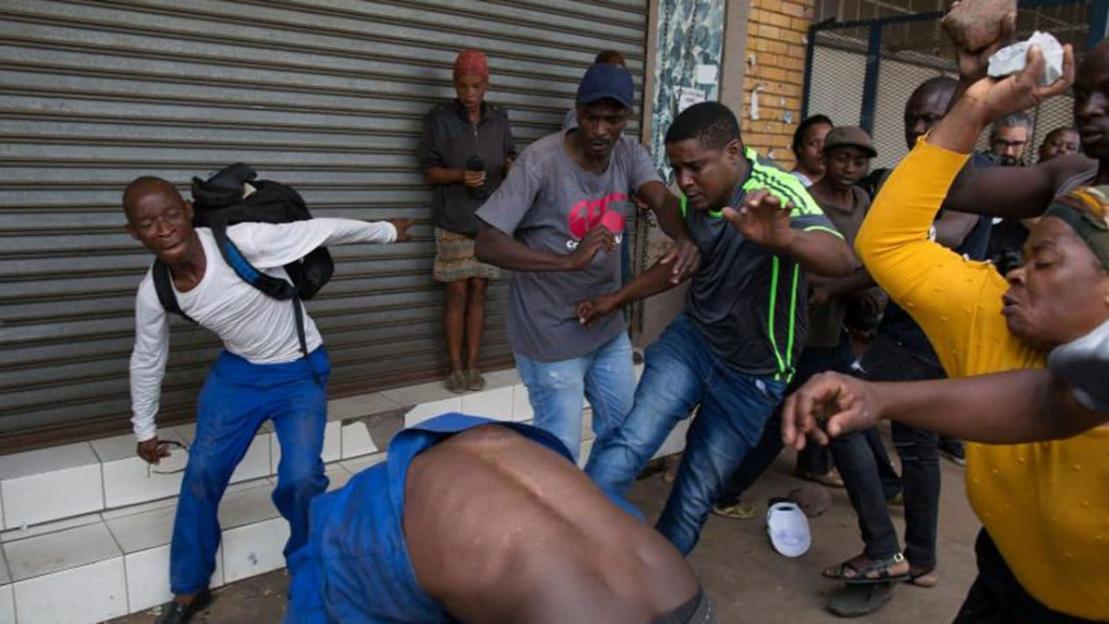
Nigerians living in South Africa have called for stronger measures against the country over the continued xenophobic attacks against Nigerians and other African nationals.
The President of Akwa Ibom Indigenes Forum in South Africa, Akaninyene Willie, made the call while reacting to the Federal Government’s decision to ban further official travel by its officials to South Africa.
Willie said Nigeria should mount greater diplomatic pressure on South Africa, including demanding reparations of not less than one billion rand for every Nigerian killed and for Nigerian-owned businesses destroyed during the attacks.
Speaking with our correspondent by phone, he said the demand had become necessary because, according to him, South African authorities had failed to take adequate responsibility for the damage inflicted on Nigerians and other foreign nationals.
He said, “We definitely want more pressure to be put on South Africa, considering the efforts Nigeria made towards their liberation. They have preferred to pay us back by killing and exhibiting hatred for us.
“If possible, we would like the International Criminal Court, ICC, to be approached since the African Union (AU) is not helping us in any way.”
Willie also appealed to the Federal Government and state governments to expedite the evacuation of stranded Nigerians from South Africa, saying thousands were still waiting to be repatriated.
“South Africa should be charged one billion rand for every Nigerian citizen killed,” he insisted.
Reacting to the demand, a legal practitioner, Osai Ahiakwo, said the call for reparations was justified but argued that the Federal Government’s decision to restrict official travel to South Africa was insufficient.
Ahiakwo said the measure was “justified but insufficient” in the face of reported attacks and killings of Nigerians and other African nationals in the country.
According to him, the travel restriction has diplomatic value because it demonstrates Nigeria’s displeasure, creates pressure on South Africa and signals that normal official engagements cannot continue without consequences while attacks against Nigerians persist.
He, however, argued that restricting official travel would not directly protect Nigerians already living in South Africa.
“It does not investigate killings, prosecute perpetrators, provide immediate protection to persons at risk or bring relief to families who have lost their loved ones,” he said.
Ahiakwo advised the Federal Government to use the travel restriction as diplomatic leverage to demand concrete action from the South African authorities, including protection for Nigerians, investigation of reported killings and prosecution of those responsible.
Continue reading
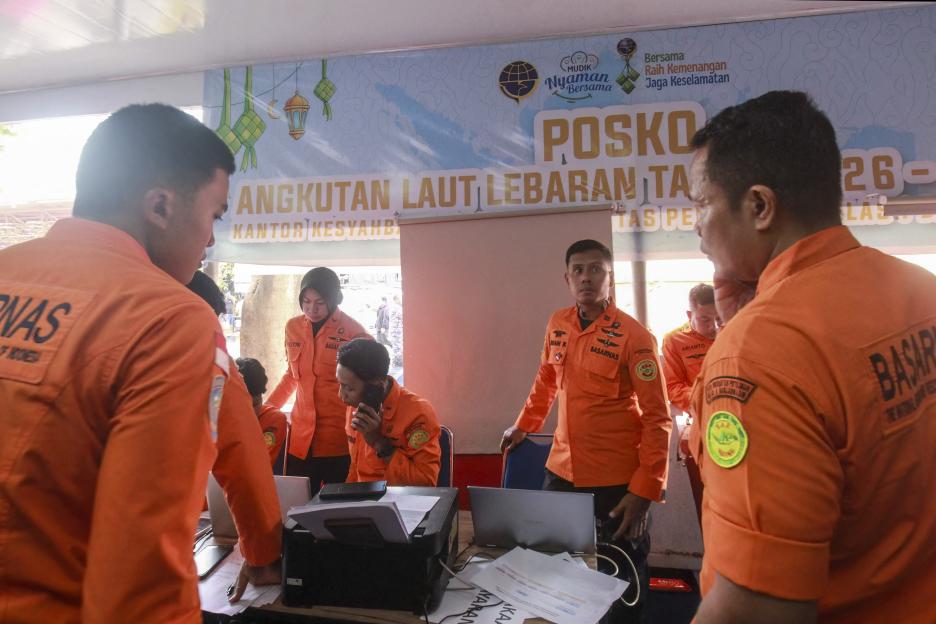
One dead and 140 missing after passenger ferry hits bad weather as urgent search & rescue launched in Indonesia
AT least one person has died and a further 140 passengers are still missing from a stricken Indonesian passenger ferry. Rescuers lost contact with the Virgo Tra...
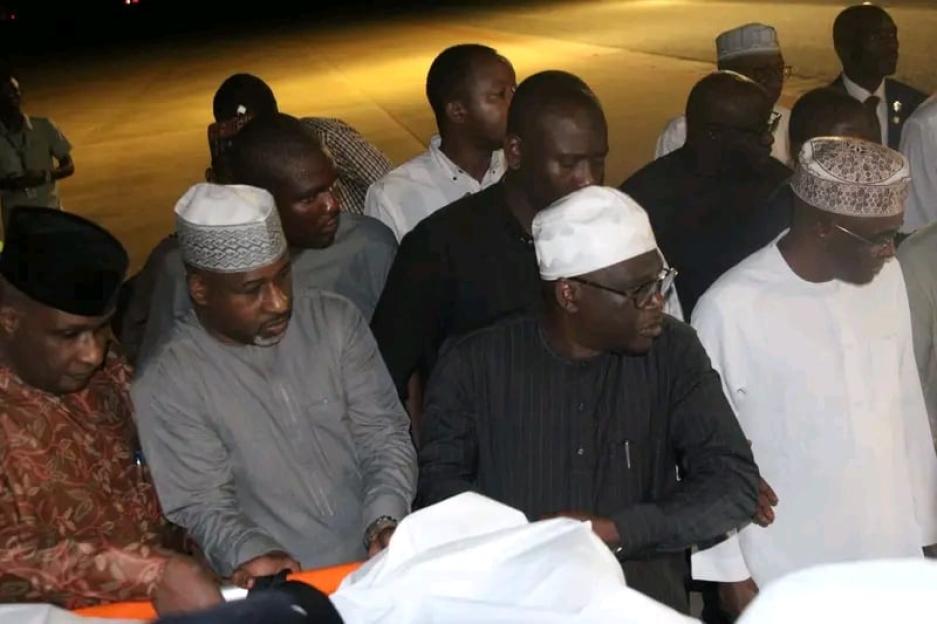
Fintiri receives Bamanga Tukur’s remains in Yola
Governor Ahmadu Fintiri of Adamawa State has led other dignitaries to the airport in Yola to receive the body of the former Governor of the defunct Gongola Stat...
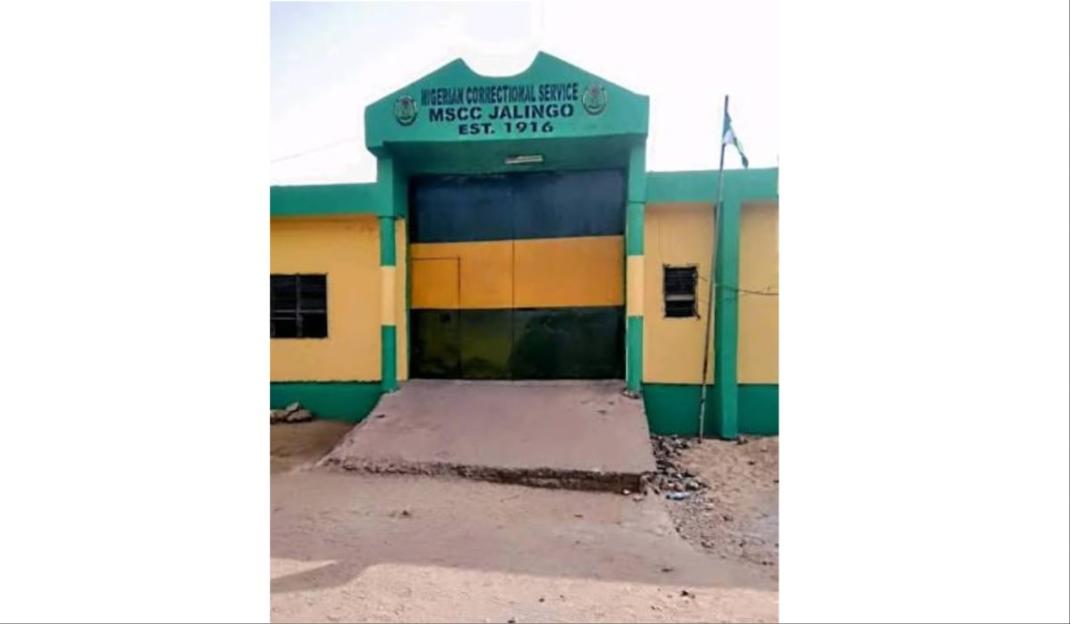
Taraba moves to decongest Jalingo Custodial Centre, considers amnesty for deserving inmates
The Taraba State Government has commenced moves to decongest the Jalingo Medium Security Custodial Centre, with plans to recommend deserving inmates for amnesty...
David Lammy urged to stand as Labour’s candidate for London Mayor after being sacked as deputy PM
DAVID Lammy is being urged to be Labour’s candidate for London Mayor after he was sacked as deputy PM. insiders said they have launched a campaign to “woo” the...