DIABETES patients may no longer have to inject themselves every day as a once-weekly insulin jab could soon be rolled out on the NHS.
Patients, however, must now wait for the injection to be approved by the medicines watchdog before it is made available on the .
 A once-weekly insulin injection for people with type 2 diabetes could soon be available on the NHS Credit: Getty
The injection, sold under the brand name Onswik and made by , could replace daily insulin injections for hundreds of thousands of Brits with type 2 diabetes.
If approved for NHS rollout, it would reduce annual injections by 86 per cent, from 365 to 52.
This would be particularly beneficial for people with sight loss, limited hand movement, learning and people who struggle to stick to a treatment regime.
Medically known as insulin efsitora alfa, the jab is said to work as well as daily insulin injections.
The treatment was recommend by the National Institute for and Care Excellence (Nice) yesterday, but patients will now have to wait for it to go through a second stage of approvals before it becomes available on the NHS.
It is now up to the Medicines and Healthcare products Regulatory Agency (MHRA) to approve the once-weekly injection.
Professor Frankie Swords, national medical director at NHS , said: “Managing never takes a day off, and for so many living with type 2 diabetes that means remembering and planning around an insulin injection every single day.
“Moving that to one injection a week could make a huge difference, giving people more freedom in their daily lives while giving valuable time back to carers and NHS teams.
“These vital treatments support people to control their diabetes every day, helping them to feel better in the short term and avoid serious complications in the long term – weekly insulin could in future become a valuable new option for many and we await the MHRA’s decision to understand whether it could be rolled out on the NHS.”
More than four million people in the UK have with a further 1.3 million estimated to be living with the condition but undiagnosed.
According to Diabetes UK , around one in four people with type 2 diabetes have to take insulin.
For people with the condition, the insulin their body makes either isn’t enough or doesn’t work properly.
 The MHRA now have to approve the jab before it can be rolled out to hundreds of thousands of Brits Credit: Getty
 What are the symptoms of type 2 diabetes?
Type 2 diabetes is a common condition where your body cannot make enough of a hormone called insulin, or the insulin it makes does not work properly – known as insulin resistance.
Insulin helps your body use glucose for energy. Without enough insulin, the level of glucose in your blood becomes too high.
Type 2 diabetes is different to type 1 diabetes, which is caused by a problem with your immune system. Unlike type 1 diabetes, type 2 diabetes may be prevented.
You can manage type 2 diabetes with diet and exercise, or medicines.
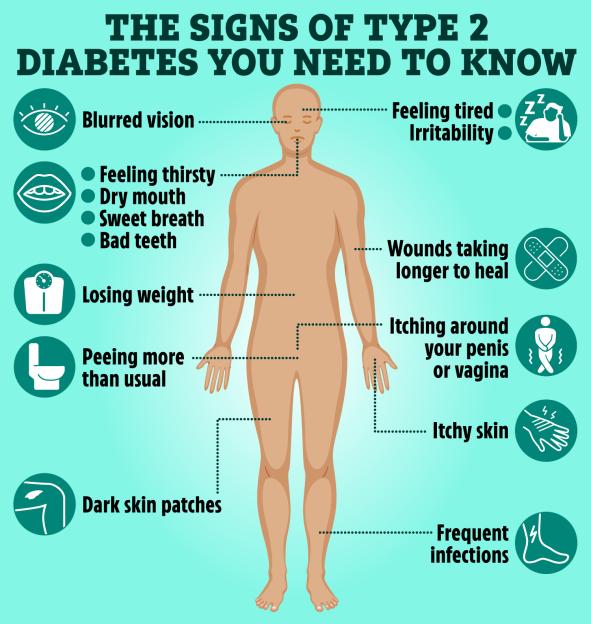
These are the of type 2 diabetes to watch out for:
- Peeing more than usual, particularly at night
- Feeling thirsty all the time
- Feeling very tired
- without trying to
- Itching around your penis or vagina, or repeatedly getting
- Getting cuts or wounds taking longer to heal
- Having
These are the most common signs that are typically reported by those suffering from the condition.
You should visit your if you experience any of these symptoms.
However, there are a number of other rarer symptoms that may alert you to this disease.
These include:
- Dark skin patches
- Frequent infections
- Itchy skin
- Dry mouth
- Irritability
- Sweet breath
- Tingling or numbness
Source: NHS
This causes sugar (glucose) levels in the blood to become too high.
Having high blood glucose levels can cause complications such as , kidney disease, or nerve problems, the NHS says , so it is important that the condition is managed.
Nice said that clinical trial evidence for the once-weekly injection Onswik showed that it controlled as well as other “widely used” insulin medicines.
The jab could also benefit people under 40 with early-onset type 2 diabetes who are managing intensive treatment alongside their working life, it added.
Speaking about Onswik, Helen Knight, director of medicines evaluation at Nice, said: “Moving from daily injections to a single weekly dose could make a real difference to the day-to-day lives of people with type 2 diabetes, especially those who rely on a carer, family member or healthcare professional to help them inject.
“This recommendation is the result of rigorous, evidence-based decision making, striking a balance between the to patients and the best use of limited NHS funding.”
And Douglas Twenefour, head of clinical at Diabetes UK, said: “This recommendation is an important step towards giving people with type 2 diabetes greater flexibility in how their condition is managed.
“For some, especially those with additional care needs, moving from daily insulin injections to a once-weekly option could help manage their diabetes more easily, improving their quality of life.”
He stressed, however, that “any NHS rollout should be supported by clear guidance, staff training and fair access”.
“It’s essential that everyone who could benefit is supported by their healthcare team to make informed decisions, and that this treatment helps reduce inequities in diabetes care.”