EXPERTS today sounded the alarm over a rise in shingles cases driven by younger women.
Roughly 50,000 Britons , with the majority of cases among older adults, when the immune system is naturally less effective.
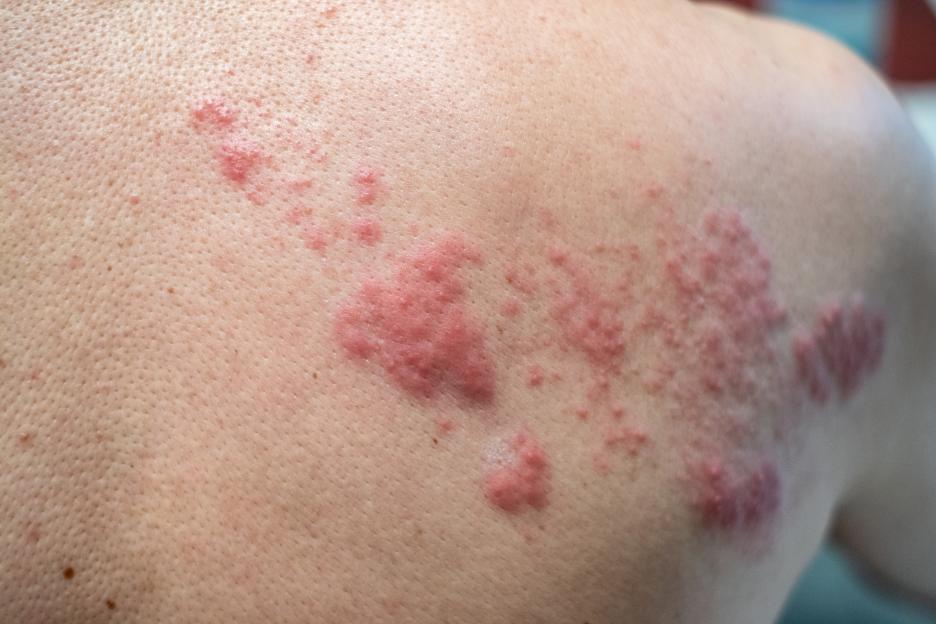 Shingles is caused by the chickenpox virus, part of the herpes family of viruses Credit: Getty
For this reason, only adults aged 65 and above are on the .
But dermatologists have warned that they are seeing a rise in cases specifically among women in their 30s and 40s, which some have blamed on stress.
Celebrities such as , 45, Dr Emily Andre, 36, and , 56, have all spoken out about suffering from shingles in recent years.
Discussing her , former presenter Andrea said: “I’ve had three different bouts of what the doctors called ‘a shingles-like virus’, I’ve got Raynaud syndrome and I’ve got vasculitis which is inflammation of the blood vessels.
“I know it has come from suppressing stress and holding everything in. So, I need to learn to let things go because otherwise I’m making myself ill.”
Dr Adil Sheraz, a consultant dermatologist at the British Association of Dermatologists told : “What we do know is that shingles is generally more common in women than in men.
“We don’t yet have one clear explanation for why this is, but it’s probably due to a combination of factors.
“Women have subtle differences in the way their immune system works, hormones such as oestrogen influence immune function, and autoimmune conditions are much more common in women.
“Many of these conditions are treated with immunosuppressive medications, which reduce the body’s ability to keep the chickenpox virus dormant and can therefore increase the risk of shingles.
“Stress is another factor that’s often discussed.”
Professor Fatheem Latheef, a consultant dermatologist at the British Association of Dermatologists, also said: “Not only are women under increasing pressure to balance busy working and family lives, they face hormonal changes in perimenopause and that stress the body, making them much more prone to shingles.
“The problem is, when younger patients get shingles, symptoms often go missed – increasing the risk of lasting symptoms.
“We need to do more work to raise awareness that shingles is increasingly impacting younger adults.”
Shingles is caused by , part of the herpes family of viruses.
 In 2023, Holly Willoughby revealed she had been diagnosed with shingles Credit: Getty
 Who is eligible for a shingles vaccine?
SHINGLES vaccination is mainly offered depending on age because the infection is more common in older people and can be more severe for them.
These are the eligibility criteria in England and Wales:
- All 70 to 79-year-olds
- 65 to 69-year-olds who turned 65 on or after 1st September 2023
- People aged 50 or over with a severely weakened immune system, for example due to blood cancer or organ transplant
The vaccine is administered in two doses spaced between six and 12 months apart.
Patients should contact their GP to find out more or book a jab.
It can lie dormant in the body’s nerve cells for decades after the initial infection.
One 2021 study published in the British Journal of Dermatology, which assessed over 70,000 patients, found that people with high levels of perceived psychological stress were more likely to develop shingles.
Another 2016 US study discovered that shingles cases in under-50s had quadrupled from the 1940s to the early 2000s – with women more likely than men to develop the condition.
“It’s important to say that this doesn’t prove stress causes shingles, but it does suggest there is an association,” Dr Sheraz added.
“After you’ve had chickenpox, the virus never completely leaves your body—it remains dormant in the nerves,” he said.
“Normally, your immune system keeps it under control. During periods of prolonged stress, hormones such as cortisol and adrenaline remain elevated.
“If that happens, the virus has an opportunity to reactivate, resulting in shingles.
“Stress is therefore likely to be one piece of the puzzle, but it’s certainly not the whole story, and age, underlying health conditions and immunosuppressive medications remain the strongest established risk factors.”
He added: “We’re using far more immunosuppressive treatments than we used to for conditions such as , , rheumatoid arthritis and multiple sclerosis, and these medications can increase the risk of shingles.
“On top of that, we’re probably better at recognising shingles than we were years ago, and our medical records are much more accurate, so more cases are being diagnosed and recorded.”
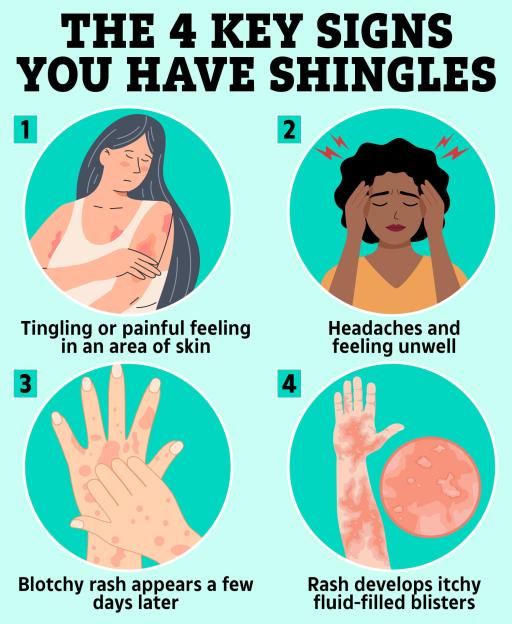
Initially, shingles symptoms may be vague.
Many people first notice burning, tingling or pain before any rash appears, and it’s not unusual, experts say, for this to be mistaken for a trapped nerve, muscular pain or even a dental problem, depending on where it’s occurring.
 In March, Dr Emily Andre, wife of Peter Andre, revealed that she had been “unexpectedly diagnosed” with shingles Credit: Getty
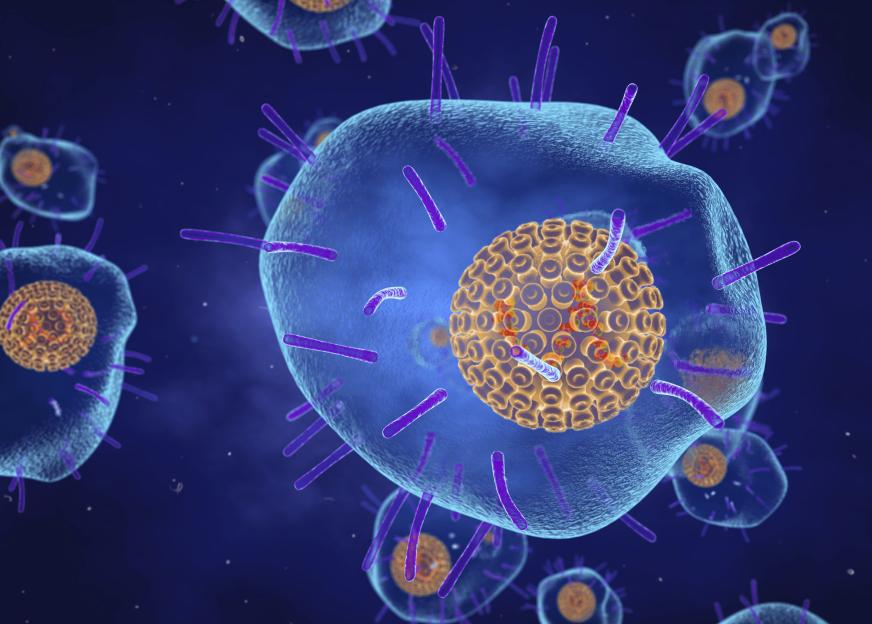 Pictured, the Varicella zoster (chickenpox) virus Credit: Getty
But as the infection takes hold, the blotchy rash may erupt in itchy blisters that ooze fluid, but these tend to dry out and scab after a few days. Fever and extreme fatigue are also common.
While more than three-quarters of patients will recover within a few weeks, some are left with lasting side effects.
The most debilitating of these is postherpetic neuralgia (PHN), persistent nerve pain, burning or tingling that can linger for months or even years.
The quicker the treatment, the less likely a patient is to develop PHN.
Treatment for shingles depends on how severe symptoms are and whether patients are at risk of complications.
If the pain or rash is moderate, patients may be prescribed antiviral medication that works most effectively when taken within three days of the rash appearing.
Treatment for shingles can also include medicines to help relieve pain, such as painkillers, steroid tablets or medicines that help with nerve pain.