WHEN the end came for my cat, Max, it was mercifully brief.
One day he was bounding around the garden with just as much vim as he had done for all of his 16 years.
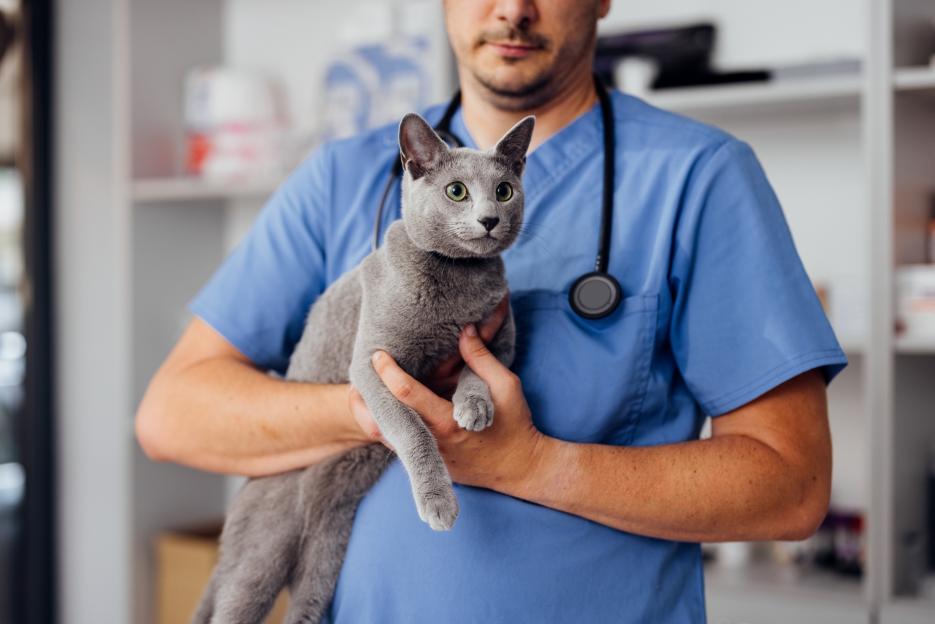 Prices for pets’ treatment are not clear, government investigators have ruled – leaving pet lovers no idea of what they are going to be asked to payCredit: Getty
The following evening my wife found him lying outstretched on his favourite position on the sofa, only this time cold, stiff and with a little froth around the mouth.
I say mercifully quick, not just for him but for us, too.
While he was spared a drawn-out illness, we were spared the which some people we know have been struck with, such as having to hand over hundreds of pounds just to be told there is nothing that can be done.
Given that it was obvious Max was dead, I just took out a spade, went to a quiet corner of the garden and dug a hole — at zero cost.
Many other pet owners have had a very different experience, which is why the Competition and Markets Authority was moved to conduct an into why pet owners are paying through the nose in spite of there notionally being a free market in vets’ services.
The report, published yesterday, was damning.
Owners are being .
Fewer than 40 per cent of vets put their prices on their websites, so owners arrive at a surgery with no idea of what they are going to be asked to pay.
Even if they do have some idea, there are often extra charges put on top of their bill.
The market for vet services, reveals the CMA, is which between them account for nearly two thirds of the market.
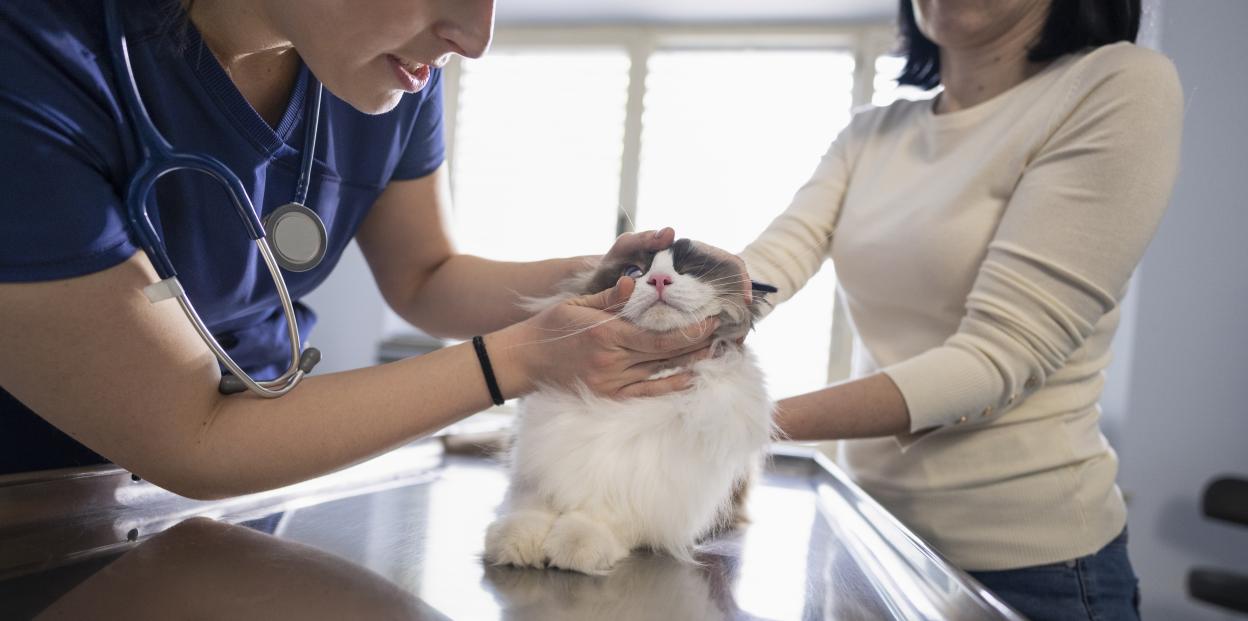 In one case, a London vet quoted £900 for cat teeth cleaning — only for the owner to be quoted the equivalent of £33 for the same procedure in FranceCredit: Getty
But you are unlikely to know that if you are shopping around because the ownership of surgeries is often opaque.
for writing a prescription and has ordered vets to make their pricing more transparent, with written quotations detailing charges, including for any additional treatments which might be required.
The body has also called for the Royal College of Veterinary Surgeons to set up a price comparison website so that people can shop around online for affordable treatment before being caught in the awkward position of facing an enormous bill while holding a sick animal in a cage.
But don’t think this will be the end of the pain.
.
Stories abound of pet owners who have balked at an enormous quote for treatment — only then to take their pet to a surgery while abroad and end up having the same treatment for a fraction of the cost.
In one case a woman took her 11-year-old pooch to a vet in Britain and was told it had a non-cancerous tumour which would cost £1,600 to remove.
While on holiday in , just on the off-chance, she took the animal to a vet there to see if it might be any cheaper.
She was quoted the equivalent of £138.
In another case, a cat-owner was quoted £900 by a London vet to have plaque removed from the of her pet.
She tried again in and had the procedure done for just £33.
Somehow I don’t think that the CMA reforms, while welcome, are going to do away with the extraordinary culture of overcharging in Britain.
The big vet practices know that we are a nation of animal lovers and will exploit this to the full.
It is emotional warfare.
It is a case of pay whatever inflated sum we think we can get away with, right now, or your sobbing kids will lose their playmate for good.
And if the animal doesn’t pull through, in spite of extravagantly priced treatment, there is often another fat bill to face.
According to the CMA, pet-owners are paying £100 over the odds to .
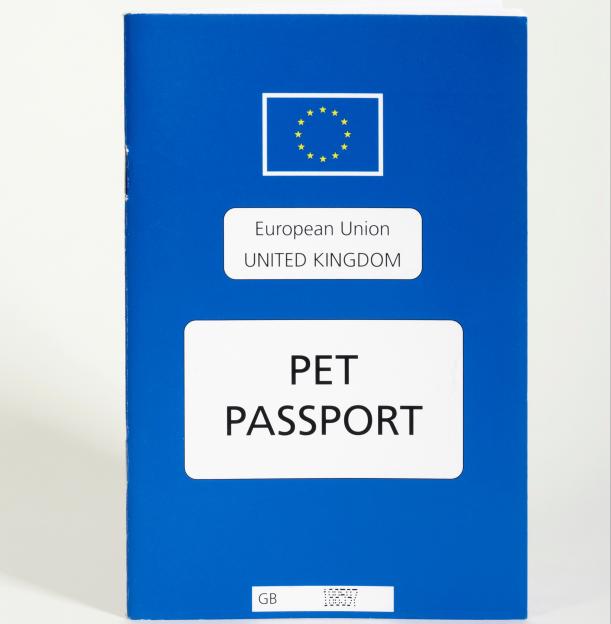 Pet owners in southern England can save on vet bills by travelling to France — but a pet passport is requiredCredit: Getty – Contributor
No one is asking for an NHS for pooches and moggies, free on the point of delivery.
Most pet owners expect to have to pay up if their animals fall sick. But that is no excuse for vets ripping us off.
The market has to work for consumers as well as providers, and at the moment it isn’t.
True, Rachel Reeves hasn’t made life easy for any business in Britain by jacking up National Insurance contributions and business rates.
But that is not the whole story.
There are far too many anti-competitive practices going on, with the effect of inflating prices.
If you live in the south of England and have an animal which is not critically ill, and can afford to wait a little for treatment, there is always the option of putting your pet in the car and taking a ferry to Calais for a more affordable service.
But that requires a pet passport and isn’t an option for everyone.
Most pet owners will continue to be at the mercy of the UK vet conglomerates who, in spite of the CMA’s intervention, will almost certainly continue to drive their profits by exploiting our love for our pets.
COST TO STOP MINX VOMITING IS ENOUGH TO MAKE YOU SICK
By , Sun writer
MINX, my 15-year-old moggy, has caused me to spend quite a large amount in vet bills.
I paid £1,755 to have one thyroid removed due to a nodule making her throw up all her food.
Nine months later, her second thyroid has been affected and now we’re paying £100 every three months for meds.
Removing it would cost £4,000.
We’ve also stumped up around £1,000 for four teeth to be extracted.
And I’ve paid around £400 for my other moggy, Wiggins, to have sedation and dental work.
It was only a tiny tooth – which left a huge hole in my wallet.