THE world’s biggest asbestos factory dubbed Britain’s Chernobyl has become a dangerous playground for kids who swim in a toxic river nearby, locals fear.
The crumbling factory is the largest of its kind worldwide – but is understood to pose a serious to the public with nearby residents saying it has also become an appalling blight on the landscape.
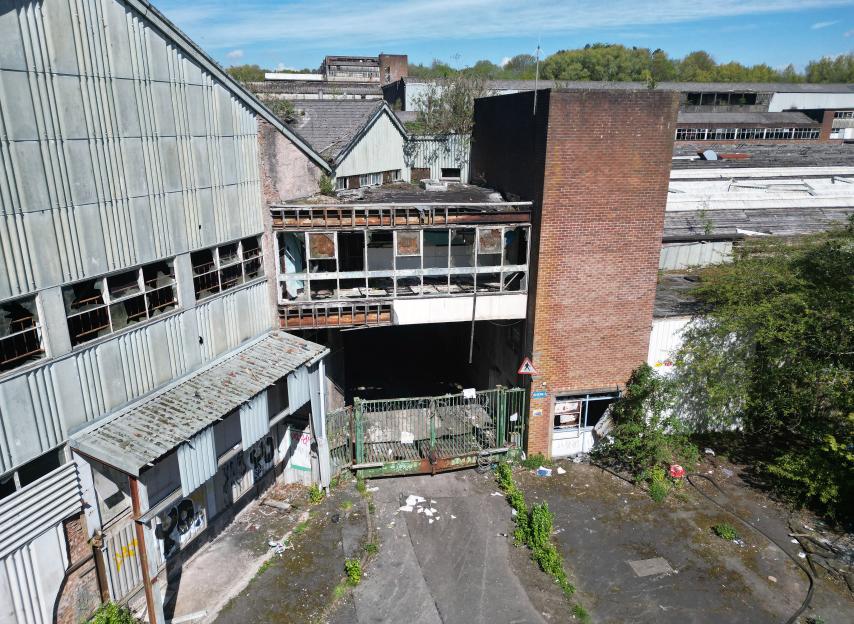 The site of the former Turner Brothers Asbestos factory remains a health hazard and eyesore in Rochdale Credit: STEVE ALLEN
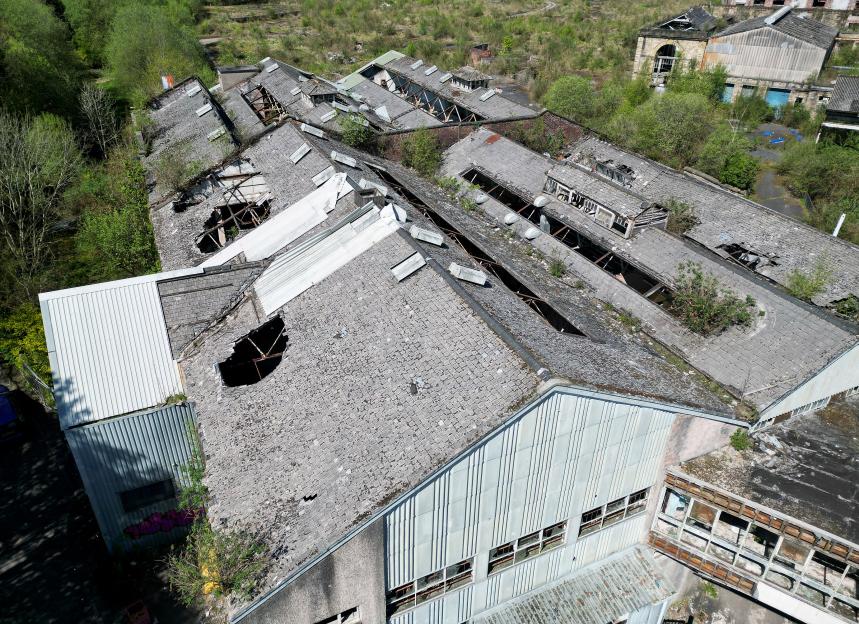 The crumbling 72-acre site has been abandoned for over twenty years Credit: STEVE ALLEN
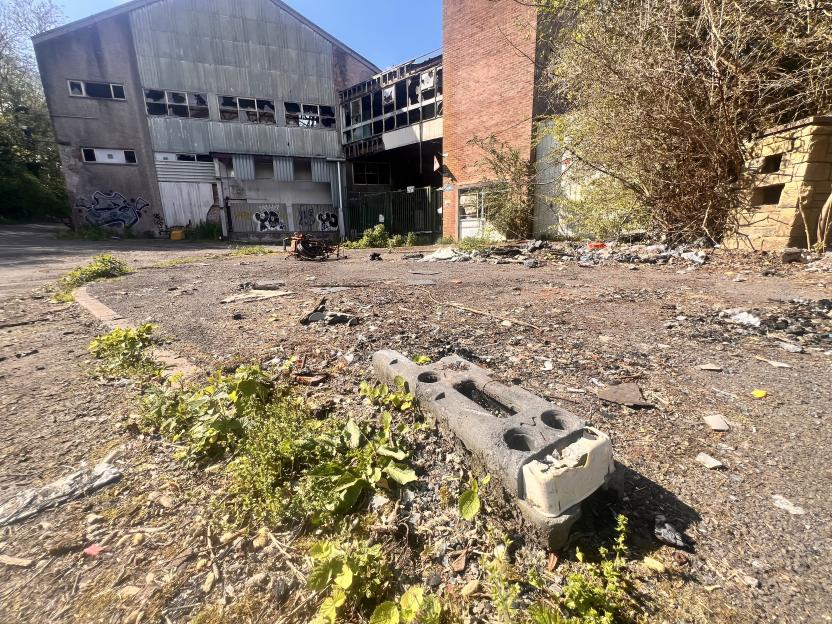 The ‘no-go zone’ has been dubbed Rochdale’s Chernobyl Credit: STEVE ALLEN
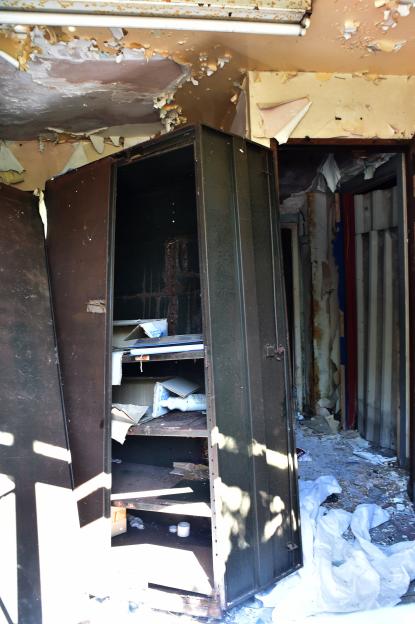 100,000 people worldwide die annually of the industrial disease. Credit: STEVE ALLEN
And despite countless politicians insisting something must be done to protect the town from the toxic Turner Brothers Asbestos (TBA) site, progress is said to have been painfully slow.
The weir on the River Spod beside the 72-acre site is nicknamed “Paradise” by schoolchildren from nearby Falinge and other locals, despite fears of asbestos contaminating the area, including the waterway.
Exposure to asbestos fibres can lead to serious health problems, including mesothelioma and cancer.
An investigation commissioned by the council a decade ago found that no fibres above the detection limit of 0.01f/ml were identified – even so, the site owners have pleaded with the public not to enter the site due to the potential risk of asbestos exposure.
Retired expert Mick Coats, 76, who has lived beside the factory for 32 years and campaigned for better safety measures, said: “I don’t mind walking through the site, but I am fully aware of the potential dangers.
“Kids are in that River Spod.
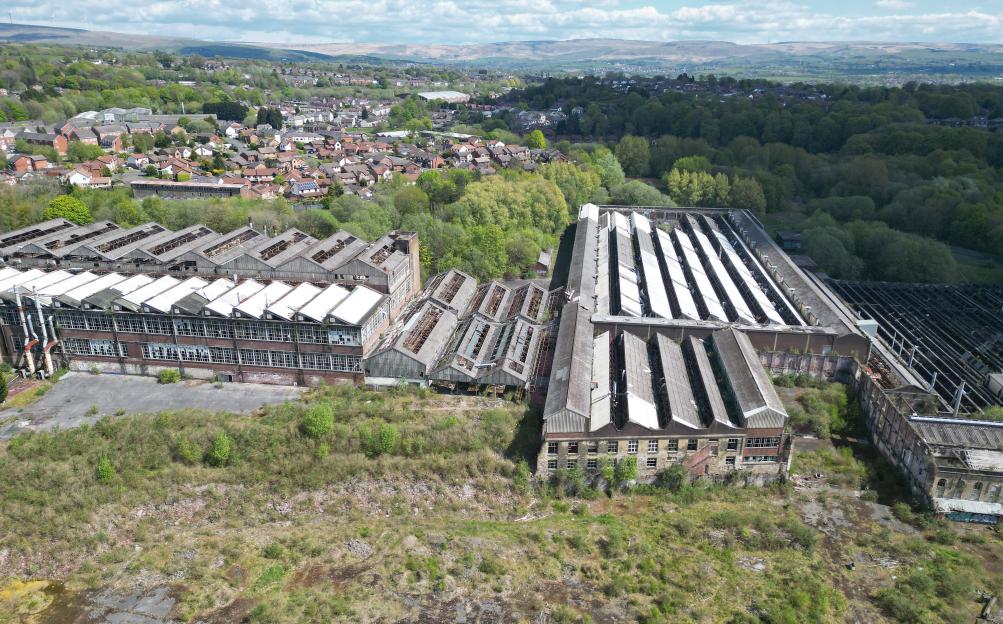 In 1975, a landfill site was built on the site then covered in earth and reseeded Credit: STEVE ALLEN
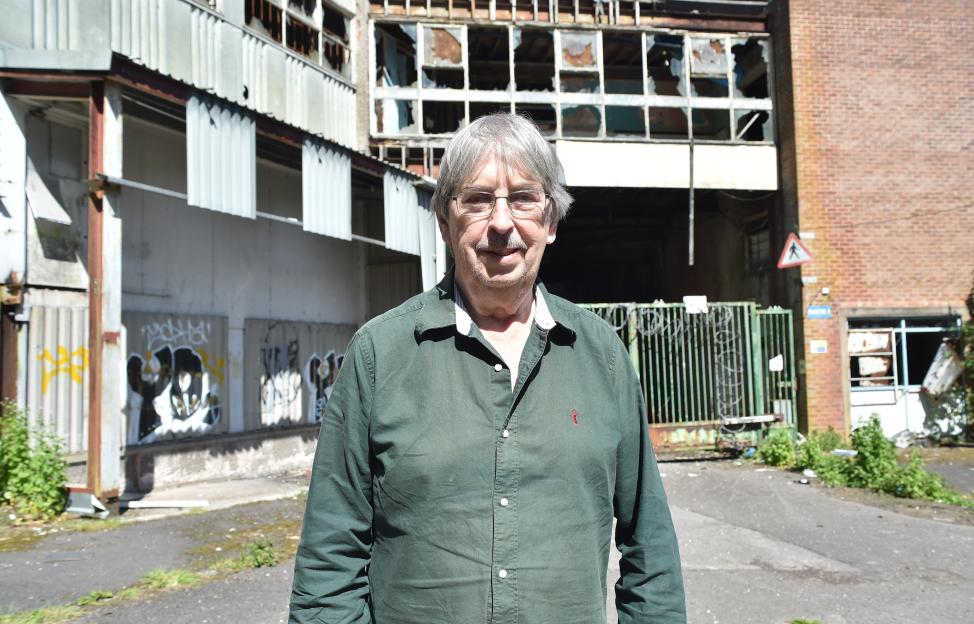 Mick Coats has lived beside the factor for 32 years and has actively campaigned to make the site safer Credit: STEVE ALLEN
“They are putting themselves at serious risk of harm. If they had unexploded bombs on the site, or exposed chemicals the council would have to act.”
Mick said the best use of the land would be to clear the buildings and lay down clay to pad in any potential asbestos, then turn the area into a country park.
The TBA plant in began producing asbestos in the 1870s until the late 1990s and saw the first recorded victim of occupational asbestosis, 32-year-old Nellie Kershaw, who died in March 1924.
100,000 people worldwide die annually of the industrial disease.
Two decades since its closure, residents in Rochdale are still campaigning to have the factory that once employed 4,000 people further secured.
IT consultant Andy Mason, 47, and his partner Vickie, 44, who have four children aged between three and 10, live next door to the factory and overlook the rundown lab testing blocks.
“Looking at the trees down the Dell is beautiful, but for me this is the equivalent of a modern-day Chernobyl,” said Andy.
“We need to take ownership and put it right – we can’t just pass on an environmental disaster from generation to generation.”
Conor Hart, 30, who lives a stone’s throw from the main factory gate, said: “My dad knows a guy, George, who struggles to breathe all the time. He can only walk about five yards without gasping for air.
“Generations of people went into that factory as and came out crippled with diseases down to their . They all ended up coughing and spluttering.”
Self-employed Rebecca Turner, 23, said: “I was coming down here with a fishing net to walk the and we let them splash in that river… that won’t be happening again.
“I’ve seen small signs saying asbestos, but until now I had no idea this was one of the world’s biggest asbestos factories. It’s shocking that it is so accessible – the children are always in that river on warm days.”
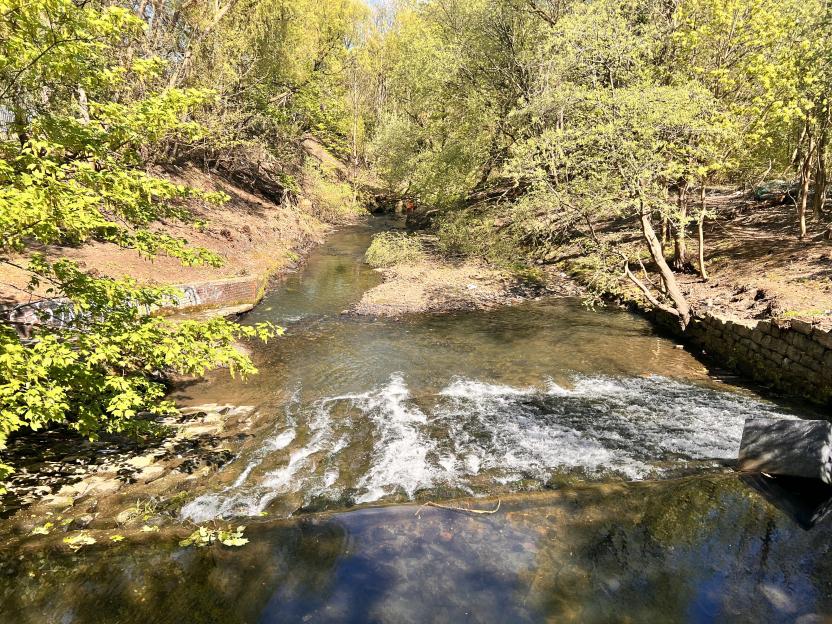 Buried asbestos is thought to have contaminated the local river Credit: STEVE ALLEN
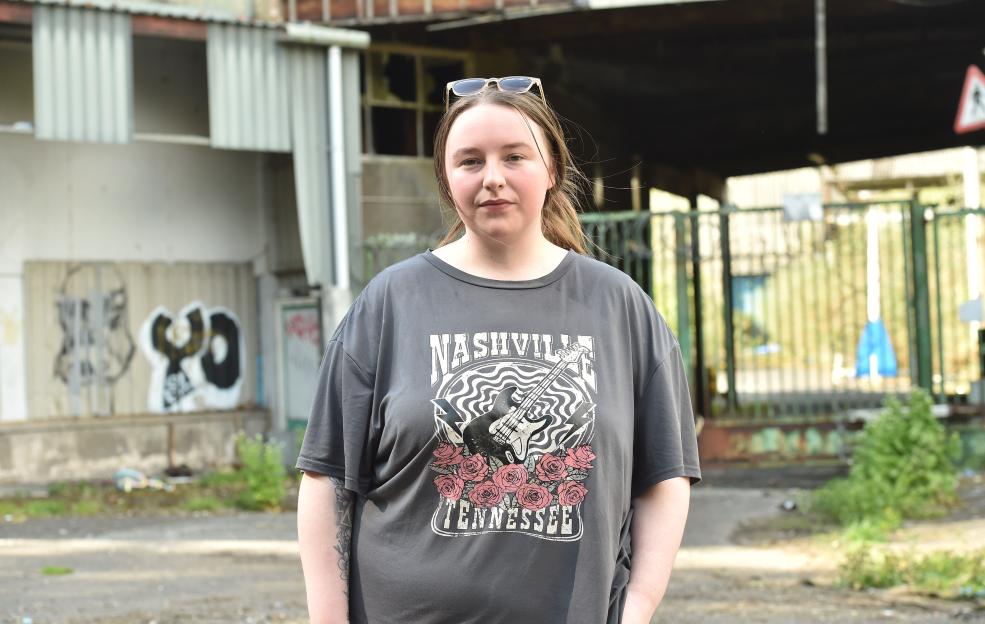 Rebecca Turner used to let her dogs play in the nearby river until she learnt it was contaminated
Allotment owner Graham Hobson, 73, a retired chief caretaker, said: “I was talking to a young lad who had been in the factory and he told me that they found a room full of asbestos products – rolls, sheets and tiles.
“These kids have no idea of the dangers inside – to them it’s like a big adventure playground.
“I grow onions, peas and courgettes and drive by that place to get here – it’s a disgrace. It shouldn’t look like that and people fly-tip rubbish down there.”
Locals Adrian Parkinson and his wife Kerry are also shocked that the site is still accessible to the general public.
They recall people talking about the “snow” in the middle of when white asbestos dust was blown about the streets with kids treating it like a wonderland.
Outraged resident Melissa Grimes, 27, said: “This is a real threat to and wildlife and people are playing “hot potato” about it and just passing it around with no real result.
“Instead of £9million into a bike path that I don’t think anyone asked for, invest in Rochdale’s safety – and its hidden gem, Healy Dell, which is beside the site.
Vince Kelly, 70, worked at the for seven years and qualified as a chartered textile technologist.
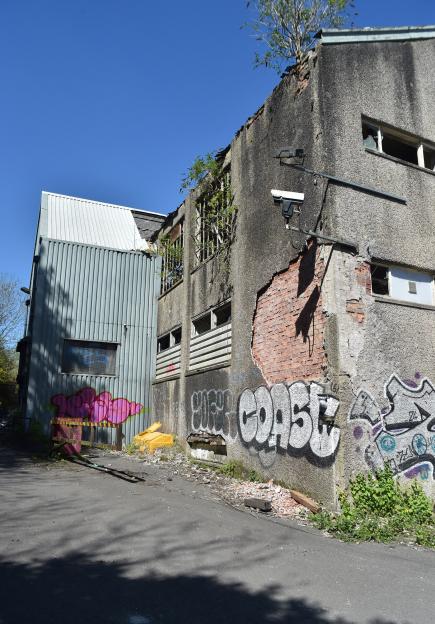 The site is now privately owned by Spodden Park Ltd Credit: STEVE ALLEN
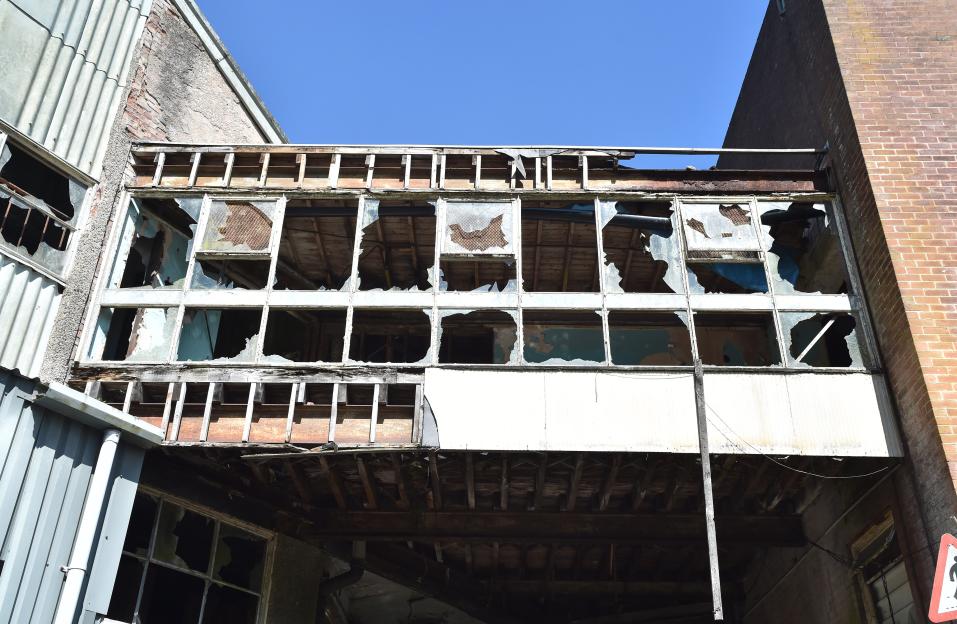 Many residents are shocked that the site is still accessible to the general public Credit: STEVE ALLEN
“In 1975, a , approximately 150 metres long and 100 metres wide was excavated to a depth of around 3 metres,” he said.
“For two days all available personnel were used to unload a steady stream of lorries, taking asbestos fibre waste in 120-litre plastic bags.”
He said that the landfill was then covered over to a depth of 2 metres and reseeded.
A council spokesperson said: “The wellbeing and safety of our residents is our most important priority.”
An independent assessment – commissioned by the council between 2015 and 2017 – found that no fibres above the detection limit of 0.01f/ml were identified. The findings were sent to residents.
The council added that they cannot convert the site without approval from its current owners, Spodden Park Ltd, but said they will work closely with the company to ensure the land is given a new lease of life.
Spodden Park Ltd claim to have taken action to secure the perimeter and perform weekly site visits to monitor any new breaches in the ‘ongoing battle’ with trespassers in recent months.
The owners have previously pleaded with the public not to enter the site due to the potential risk of asbestos exposure.
A spokesperson told the Daily Mail in November: “We have recently met with the council and their community safety team.
“During the meeting, we discussed the challenges of securing the site against determined trespassers.
“We informed the council that the fence is being regularly damaged and that we have had incidents where CCTV cameras have been destroyed.
“Several options for how we could work with the council to address these issues were raised, and we hope that these will help to keep the site secure.
“We want to remind everyone that asbestos is only dangerous if it is disturbed.
“By entering the site, these trespassers risk disturbing the material and put themselves at risk.”
The Turner & Newall Asbestos Trust has been contacted for further comment.