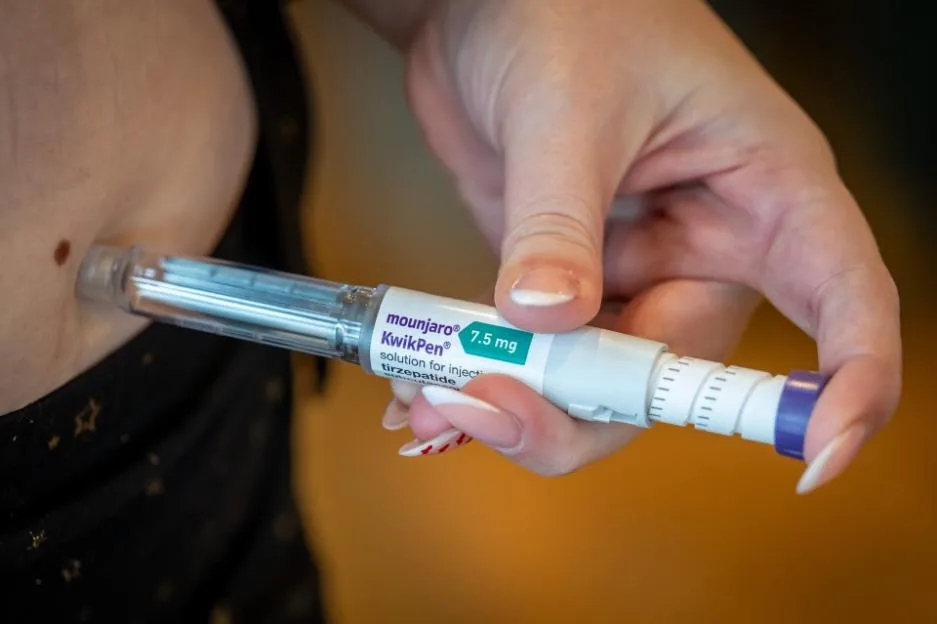
FROM nausea to constipation, ‘Ozempic teeth’ to ‘Ozem-d*ck’, we’ve heard it all when it comes to fat jab side effects.
But just when you thought you were across all the potential nasty – even – , along comes something else to worry about!
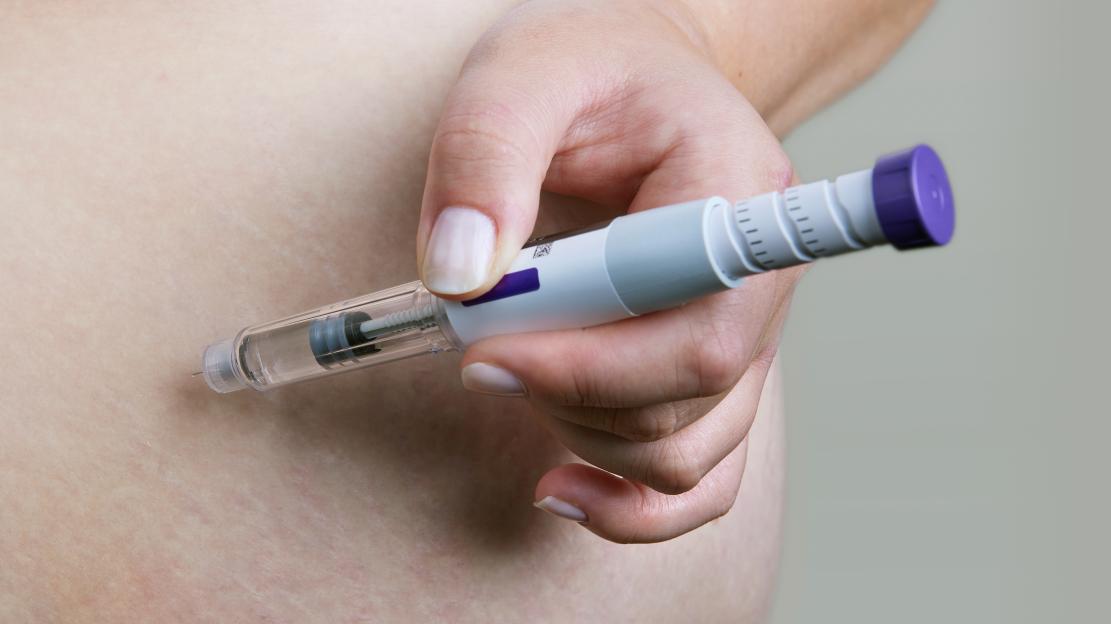 Fat jabbers who had pelvic floor issues prior to beginning treatment are more likely to suffer the issue worseCredit: Getty
And this emerging issue is one that can lead to , and painful sex, experts warn.
So what’s the latest in the long list of unpleasant after effects? A saggy , that’s what!
While the damage isn’t inevitable, it does seem to be on the rise, according to doctors.
And for those who had pelvic floor issues prior to hopping on the the chances are those issues might worsen when you lose weight.
“I’ve definitely seen more patients on jabs such as Wegovy and Mounjaro reporting pelvic-floor symptoms and we have definitely seen an increase over the past year,” says Professor Franklin Joseph, founder of Dr Frank’s Weight Loss Clinic.
“Over the past 12 to 18 months, I would estimate there’s been around a 10 to 15 percent increase overall, particularly among younger women.
“Much of this is linked to high-stress lifestyles, inconsistent exercise habits and rapid weight-loss attempts that place extra strain on the core and pelvic muscles.”
Your pelvic floor is a group of muscles that acts like a sling, supporting your bladder, bowel and other pelvic organs.
So when it becomes damaged, it can impact these organs.
BUT HOW?
ALTHOUGH GLP-1 jabs don’t damage the pelvic floor directly, the side effects of the jabs can.
“Muscle loss is common during any weight loss journey, and more common during rapid weight loss,” says Phoebe Fox , weight loss clinical lead at Voy .
“GLP-1s are not selective of fat loss versus muscle loss, and so it’s common for someone to notice some muscle loss while on the treatment.
“Muscle loss leads to less overall strength, and weakened pelvic floor muscles.”
New research by Les Mills and ukactive Research Institute , found that up to 50 per cent of weight lost when taking fat jabs is lean body mass.
This is everything except fat, such as muscle.
“Some people lose weight quickly from the abdomen and pelvis,” says Phoebe.
“Fat in this area acts like internal padding, helping distribute pressure evenly through the core.

“When this padding reduces suddenly, the pelvic floor may have to take on more load.
“This can mean less natural support for the bladder and bowel, more movement during exercise, creating extra downward pressure and existing weaknesses becoming more noticeable, such as via leaking or heaviness.”
There’s also the impact that GLP-1 jabs have on digestion.
“They can slow digestion which means some people experience constipation,” says Phoebe.
“Repeated straining on the toilet increases downward pressure on the pelvic floor, which over time can weaken the pelvic floor muscles.”
As well as this, constant retching from nausea or vomiting can cause your abdominal muscles to contract forcefully, as though you were doing a crunch.
People may notice bladder leaks during coughing, laughing or vomiting as well as a heavy dragging feeling in the pelvis
Phoebe Fox, weight loss clinical lead at Voy
But instead of developing abs, Phoebe says that each contraction pushes pressure onto the pelvic floor.
“If this happens often, it can temporarily overwhelm those muscles.
“People may notice bladder leaks during coughing, laughing or vomiting as well as a heavy dragging feeling in the pelvis, sudden urgency to wee and flares of existing prolapse symptoms.”
Whether you’re on weight loss jabs or considering going on them, spare a thought for your pelvic floor. You might be putting yourself at risk of these problems…
PEE PROBLEMS
USUALLY, weight loss can help reduce pressure on the pelvic floor muscles, so they can function properly.
Research in the journal Obstetrics & Gynecology found that overweight and obese women who were leaking at least 10 times per week, had 70 per cent fewer leaking episodes when they lost five to 10 per cent of their body weight over six months.
But, the speed of fat and muscle loss along with the gastro effects caused by weight loss jabs, can actually put MORE pressure on the pelvic floor.
Urinary , the loss of bladder control that can lead to urinary leaks, is typically caused by , ageing and even Urinary Tract Infections (UTIs).
Simply coughing can lead to leaking as the weak pelvic floor physically can’t handle the pressure.
How fat jabs work - and how to get maximum results safely
WEIGHT loss jabs were originally developed to treat type 2 diabetes - and Ozempic is still prescribed for that.
Wegovy and Mounjaro, which are now available on the NHS, along with Saxenda, are licensed for weight management in obese adults (BMI over 30) or those who are overweight (BMI over 27) with related conditions such as high blood pressure or high cholesterol.
They work by mimicking hormones like GLP-1, which help regulate appetite, slow digestion and make you feel fuller for longer – often leading to dramatic weight loss.
The health benefits can be huge, since obesity is a major risk factor for type 2 diabetes, heart disease and certain cancers.
But not everyone sees the same results. One common mistake is expecting it to work instantly.
For example, taking it right before a takeaway, special occasion, or big night out in the hope it will stop you from overindulging.
Jason Murphy, head of pharmacy and weight loss expert at Chemist4U, says: “Taking the jab right before a takeaway or party won’t automatically stop you from indulging.
“Weight loss injections need time to build up in your system. They don’t blunt your appetite immediately after injection.
“It usually takes a few days to start feeling a difference, and several weeks for the full effects to settle in.”
Inject your dose mid-week if you plan for a heavier weekend.
Another common error is injecting in the same spot each time.
“People often default to injecting in the same spot over and over, but this can cause local irritation or even small lumps of fat under the skin (lipohypertrophy), Dr Crystal Wyllie, GP at Asda Online Doctor , explains.
“This can affect how well the medication is absorbed and make it less effective.”
She recommends rotating injection sites between the abdomen, thigh, and upper arm, and even picking different spots within those zones.
And never stop using them suddenly as this can lead to rapid weight gain, Mital Thakrar, a pharmacist from Well Pharmacy, warns.
“There’s a tendency to ditch weight-loss treatments as soon as you reach your desired weight,” he says. “But that’s not our advice.”
The drugs dull appetite, and in doing so, they can also blunt thirst signals. Yet hydration is crucial for the body to function properly.
“Aim for two to three litres per day, sipping regularly, not just when thirsty,” Dr Wyllie explains.
“Hydration supports metabolism, digestion, and can reduce side effects like headaches, nausea and constipation.”
Weight loss jabs may lead to a type of incontinence called stress incontinence.
“When the pelvic floor muscles are strong, they support and control the bladder and the urethral sphincter, which controls urine flow,” explains Phoebe.
“When these muscles are weakened, they can’t control this valve as effectively and so pressure such as from laughing or exercise can cause leakage as this valve isn’t fully closed.”
It’s not just urine leakage that can occur from weak pelvic floor muscles. You might also struggle with difficulty controlling your bowel movements and struggle to hold in wind.
MIND MATTERS
IT’S only natural to feel anxious about going out if you’re worried about a potential leak.
“People may stop exercising, avoid social events and even give up dating from embarrassment or fear of leaking in extreme cases,” says Dr Aarthi Sinha, GP and ambassador for online menopause hub, Issviva .
“This can be isolating, knocking confidence, which may in some instances cause anxiety and depression.
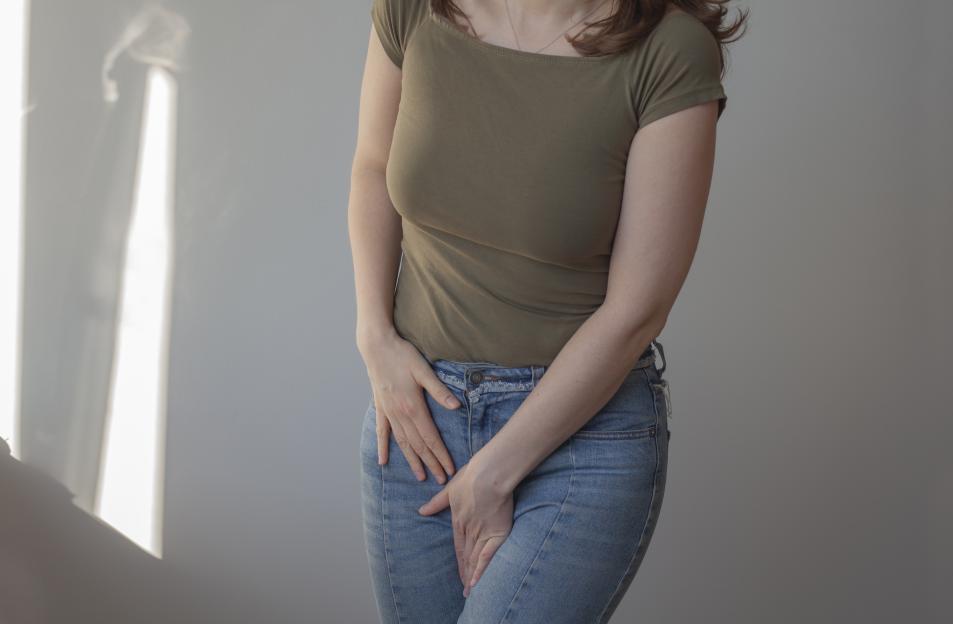 Weak pelvic floor muscles can also lead to a dull ache, low in the pelvis, experts sayCredit: Getty
“This is especially true when symptoms are dismissed as ‘normal’, such as after childbirth.”
Research in the Journal of Clinical Medicine found that both stress urinary incontinence and pelvic organ prolapse are connected to depression, anxiety and even insomnia.
LOVE HURTS
YOU might be feeling more confident in the bedroom thanks to your svelte new figure, but the pelvic floor issues which can be caused by rapid weight loss can make .
“Rapid weight loss can contribute to changes in pelvic support structures, especially if muscle mass drops faster than fat,” says Prof Franklin.
“Less cushioning around the pelvic organs means intercourse can feel sharper or more intense and weaker pelvic floor muscles can spasm or struggle to relax properly, leading to a tight, burning or ‘bruised sensation.”
“When the deep core and pelvic muscles weaken, the organs they normally support such as the bladder, uterus and bowel, can sit slightly lower or feel heavier, creating discomfort or pressure.
Throw in vaginal dryness, which can occur due to hormonal changes from fast weight loss, and it can end up making sex unbearable.
DULL ACHE
IT’S not just during sex that you might feel uncomfortable down there.
Dr Sinha says weak pelvic floor muscles can lead to a dull ache, low in the pelvis.
“You can also experience lower back, hip or tailbone pain because the whole area works as one system.”
If you’re experiencing pelvic pain and you’re also noticing blood in your wee or poo, unusual discharge, nausea and/or a high temperature, call NHS 111.
It could be a UTI, an STI or something more sinister such as appendicitis, which will require surgery.
SIGNS OF DAMAGE & HOW TO FIX IT
THERE are some warning signs to look out for, which could indicate that your .
“The warning signs include leaking when coughing or exercising, a heavy or dragging feeling low in the pelvis, sudden urgency to urinate and difficulty holding in wind,” says Prof Franklin.
“If these start after beginning a jab, it’s important to take them seriously.”
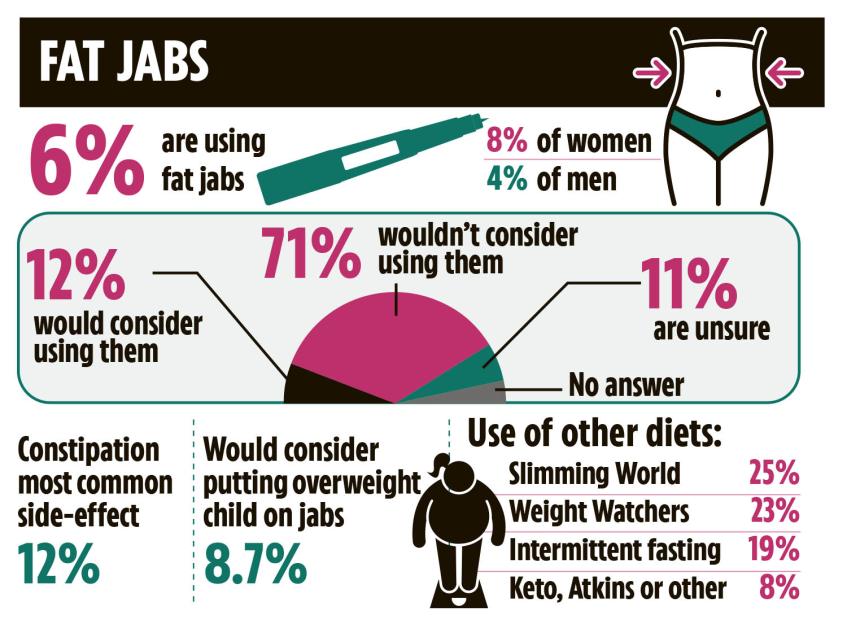 The Sun’s Health Kick survey revealed 6 per cent of readers are using fat jabs
PREVENTION OVER CURE
THERE are also things you can do to avoid a weak pelvic floor while on weight loss jabs,
“Prevention is key, especially for anyone losing weight fast,” warns Prof Franklin.
He recommends
Research in the journal Psychology, Health and Medicine found that doing pelvic floor exercises with abdominal exercises strengthened pelvic floor muscles even faster in women aged 18 to 49, who all suffered from stress incontinence.
The participants were split into two groups: one did pelvic floor exercises every day while the other group did pelvic floor exercises and abdominal exercises.
At four weeks, 53.1 per cent of the group who had only done pelvic floor training stopped leaking during a stress test while a higher 93.7 per cent of the group who did pelvic floor and abdominal training stopped leaking.
Give these exercises a go:
1. Kegel contractions
Start by sitting or lying down, then squeeze your pelvic floor muscles as if you were holding in gas or stopping yourself from peeing.
Hold for three seconds, then relax and repeat 10 times, three times a day.
2. For the abs, try a bird dog
Lie on your back with your arms up and knees bent with knees directly over your hips.
Exhale as you slowly extend your left arm and right leg, inhale as your return then switch sides. Aim for eight reps in total.
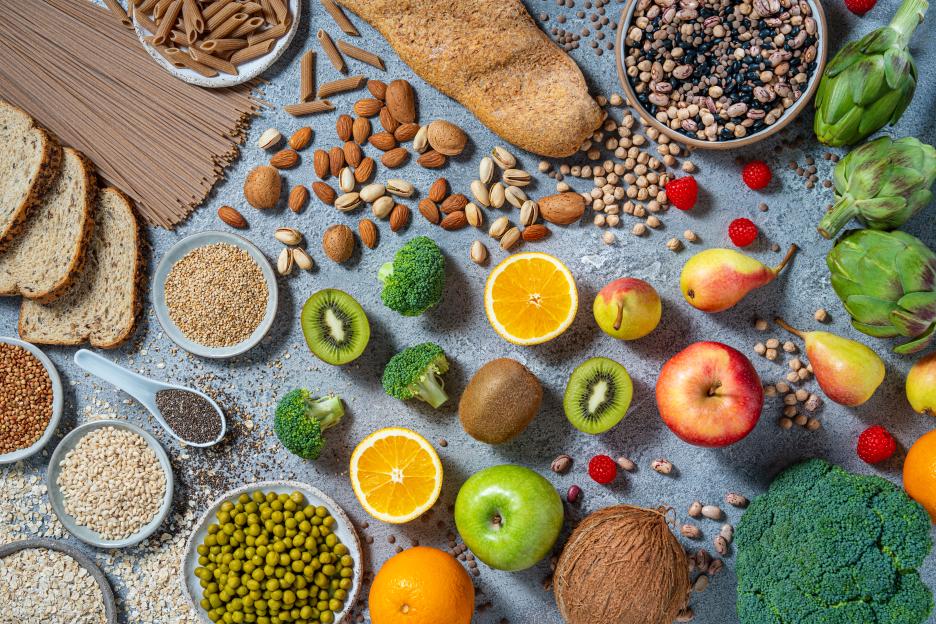 Aim for 25 to 30g of fibre a day from fruit, vegetables, oats, beans and wholegrains, experts sayCredit: Getty
KNOCK ON EFFECT
is one of the most common side effects of fat jabs.
“It’s also one of the biggest, most overlooked drivers of pelvic floor weakness.
“The goal is to reduce abdominal pressure because every episode of strained bowel movement works against your pelvic floor strength,” warns Prof Franklin.
Aim for 25 to 30g of fibre a day from fruit, vegetables, oats, beans and wholegrains and stay hydrated with at least 1.5 to two litres of water daily.
“The bowel can’t move properly if it’s dry,” adds Professor Franklin.
“Regular movement, particularly walking, stimulates gut movements and try using a footstool when you go to the toilet too.
“Raising the knees above the hips straightens the rectum and reduces straining so you’re in a ‘natural squat’ position.”