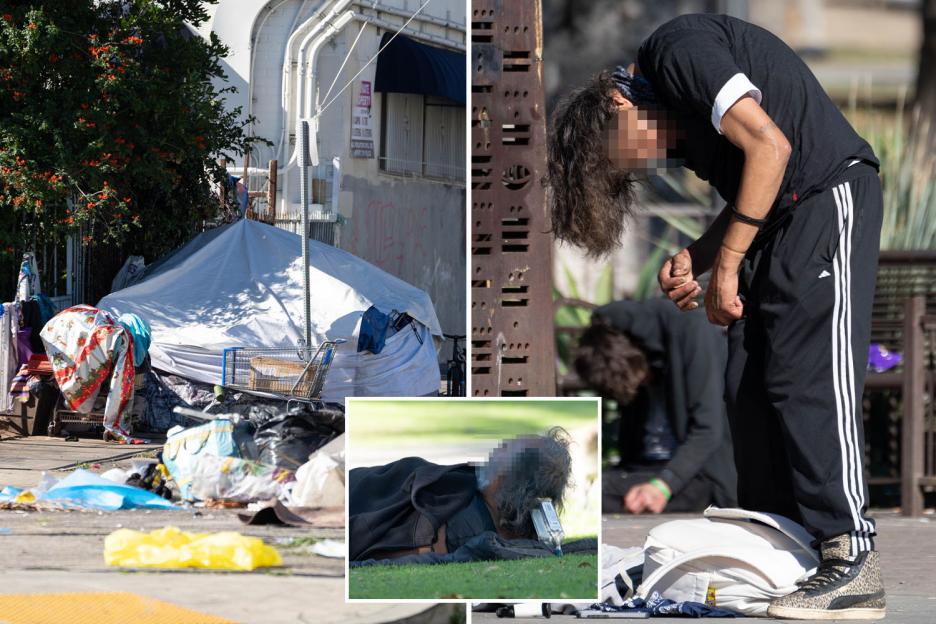
SLUMPED over and barely able to stand, drug-addled ‘zombies’ shoot up and smoke crack in the open, while one homeless man passes out with a bottle of alcohol for a pillow.
It’s just another day in one of LA’s most notorious ‘Walking Dead’ zones, while world-famous celebrities and billionaires continue to flee the so-called ‘City of Dreams’ in droves.
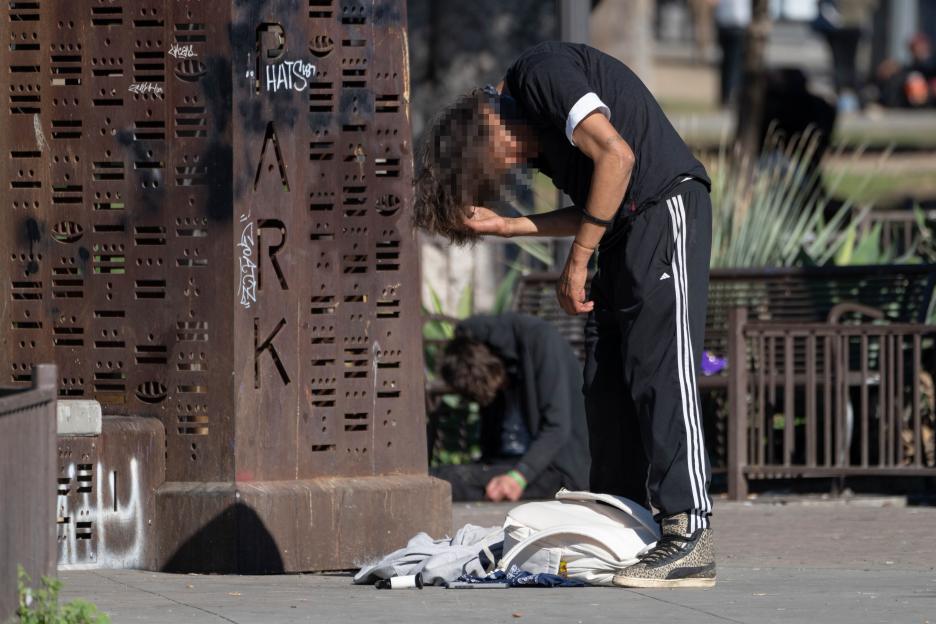 Drug users have taken over the MacArthur Park area, near Downtown Los AngelesCredit: John Chapple for The U.S. Sun
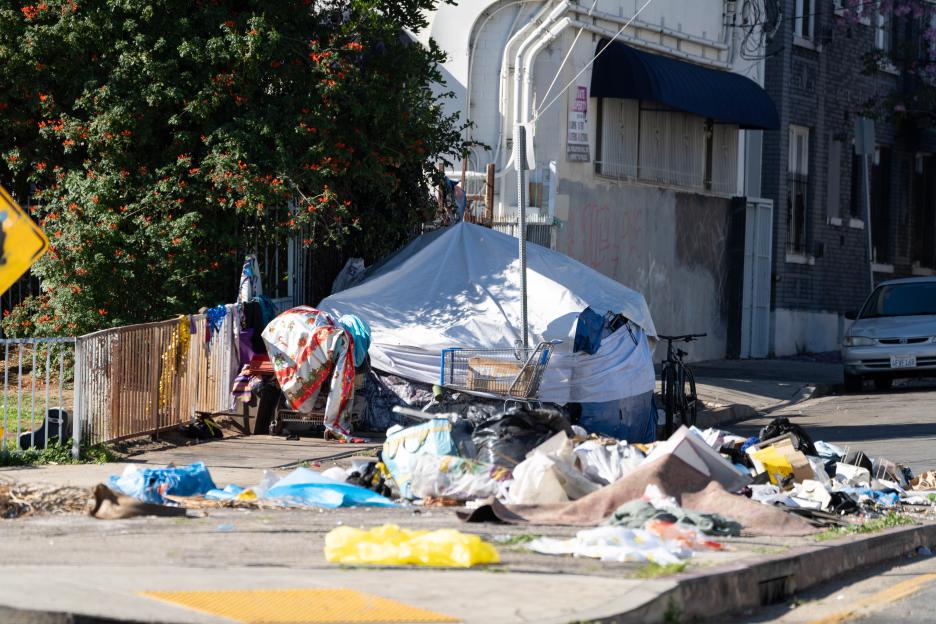 Tents, trolleys and piles of rubbish are seen spilling out into the streets of Los AngelesCredit: John Chapple for The U.S. Sun
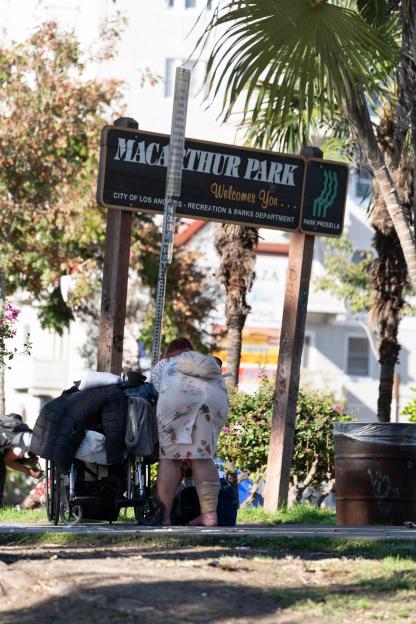 A homeless woman is seen barefoot with an injured leg as she hunches over and pushes a wheelchair full of her belongingsCredit: John Chapple for The U.S. Sun
Tinseltown is falling apart. Shops are boarded up, and streets that once thronged with tourists and hopeful dreamers are now taken over by addicts and mentally ill vagrants, years after the pandemic.
While , those who remain are being forced to take desperate measures, with The Sun witnessing some even arming themselves with crowbars and bottles for protection.
Our reporter spoke to locals and experts about life in the lost city, which has been described as a “weeping shadow” of its former self and compared to a “third world country”.
During our visit to MacArthur Park in East Los Angeles, drug users were seen huddling under blankets and shooting up in the open, while encampments and trailers lined the surrounding streets.
The park has been blighted by frequent overdoses, crime and open fentanyl use, turning what was once a family-friendly space into a dangerous no-go zone where free meth pipes and needles are handed out.
Dennis Oleesky, interim CEO of the Los Angeles Mission, said that while drug overdose deaths and homelessness have begun to ease from their pandemic-era peaks, both remain at historically high levels.
His office borders Skid Row, overlooking streets where drug-addicted rough sleepers live in makeshift shelters and push shopping trolleys.
He said: “We need more resources in addiction services and mental health. These drugs are so addictive.
“We lost employees and residents to overdoses. In February, seven people died on our street in one week from fentanyl.
“So even if the numbers improve, what people are dealing with on the streets is much worse than it was 10 or 15 years ago.”
Fentanyl is still fuelling overdose fatalities, and Los Angeles still has the largest homeless population in America, despite modest recent declines.
Many locals, particularly women, say they no longer feel safe, not only on the streets, but even on hiking trails.
Tiffany Miller, who has lived in LA for seven years while pursuing acting and music, said safety fears have become constant.
“It’s difficult to go anywhere without looking over your shoulder,” she said.
“I’ve been followed in Beverly Hills. I’ve had people approach me aggressively at petrol stations. I’ve even had people come out of bushes with weapons while hiking Runyon Canyon.
“I’ve thought about leaving, but you should not have to abandon your dreams because authorities are not doing their job.”
She added: “LA is a crying, weeping shadow of what it once was.”
 One man is seen using a bottle to prop up his head and using a blanket to cover himselfCredit: John Chapple for The U.S. Sun
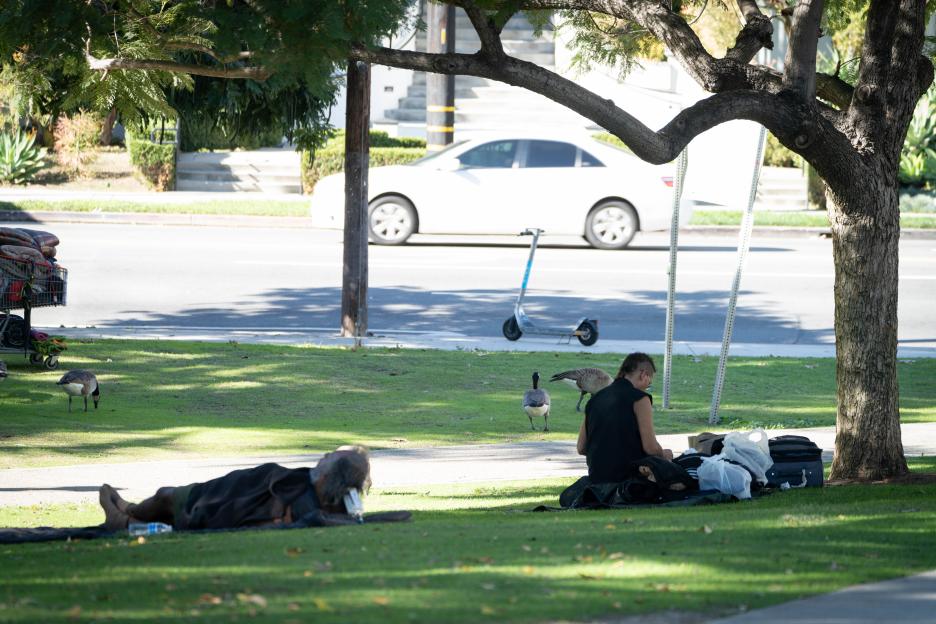 Echo Park in Los Angeles is another area where homeless people line the streetsCredit: John Chapple for The U.S. Sun
 Makeshift shelters cover the streets in the city, which has been compared to a ‘third world country’Credit: John Chapple for The U.S. Sun
Residents say the crisis has now moved into their homes.
In one Los Feliz apartment block, a homeless man broke in over Christmas and was found sleeping by a fire escape after defecating on the carpet. Another man had previously climbed down the chimney.
A resident said: “You have to be vigilant all the time. Just after the pandemic it was every so often, now it’s every day.
“This is the reality of living in Los Angeles now.
“There were a lot of problems in the local Starbucks with drugged-up people often throwing fits and stealing in there; nobody felt safe. It recently closed and is now boarded up.”
Los Angeles was ranked the number one city for move-outs in 2025 for the fourth year running, according to a report from PODS, the portable storage and moving company.
State figures show Los Angeles County lost nearly 80,000 residents in 2023, followed by around 46,000 in 2024, with tens of thousands more leaving again in 2025.
Millions spent on death hotspot
MacArthur Park, minutes away in East Los Angeles, has become one of the city’s most notorious hotspots.
During The Sun’s visit, people were seen openly using drugs, slumped over and struggling to stay upright, while encampments and trailers lined the surrounding streets.
City officials have funnelled almost $30 million (£24 million) into efforts to stabilise the area, yet the crisis shows little sign of easing.
Late last year, leaders approved a $2.3 million (£1.8 million) fencing scheme in response to rising safety concerns and the impact on nearby residents.
Los Angeles County has been at the centre of one of the deadliest overdose crises in the nation.
Between 2016 and 2022, overdose deaths more than tripled, driven largely by fentanyl, which went from being involved in just over 100 deaths a year to nearly 2,000 at its peak.
In 2023 alone, the county recorded around 3,137 overdose deaths, one of the highest totals ever, with fentanyl implicated in roughly two thirds of all cases.
Even in 2024, after a reported decline, 2,438 people still died from drug overdoses, including more than 1,260 fentanyl-related deaths.
This amounts to an average of nearly seven overdose deaths every day.
Public health officials warn that the drug supply remains extremely dangerous, with fentanyl now present in the vast majority of opioid deaths and commonly found in counterfeit pills sold as prescription medicines.
Meanwhile, film and television productions are increasingly heading to cheaper US states and overseas locations offering generous tax incentives, draining jobs and battering local economies.
Once-beloved restaurants and small businesses, many of which had operated for decades, have been forced to shut their doors.
Celeb exodus
Beyonce and Jay-Z are the latest in a series of US celebrities to be drawn to the UK in search of a better quality of life.
They are reportedly set to build a huge rural estate in the Cotswolds – a countryside haven where , the Beckhams and Simon Cowell all own grand properties.
and Eva Mendes relocated to London with their children, while Sophie Turner, originally from England, returned after her divorce from Joe Jonas.
British-American actress returned to London in 2024 after nearly three decades in Los Angeles, enrolling her young son in school.
 Ryan Gosling and his wife Eva Mendes are among the stars who have left Los Angeles, choosing to relocate to LondonCredit: Getty Images – Getty
 Beyonce & Jay-Z are set to build a spectacular rural estate in the CotswoldsCredit: Getty
 Minnie Driver is also back in the UK after years in America and prefers the lifestyleCredit: Getty
Other stars have headed elsewhere in the US.
Podcast host relocated to Texas, publicly citing overcrowding, traffic and homelessness.
Happy Days star also announced plans to leave after 45 years, specifically citing crime and homelessness as factors in his decision to sell his home.
Some moves are driven by tax planning, family needs and changing work patterns rather than a wholesale rejection of the city.
But the celebrity exodus has fuelled fears that Los Angeles is losing its way.
Alex Hall, a real estate agent and the star of Netflix show Selling The OC, has described LA as being like a “third world country” since the pandemic.
She said she’s seen wealthy buyers back out of purchasing a home after falling in love with it because they’ve spent a weekend in the neighbourhood and changed their minds.
Alex is not shocked that celebrities are fleeing LA and even the States, preferring the likes of the English countryside.
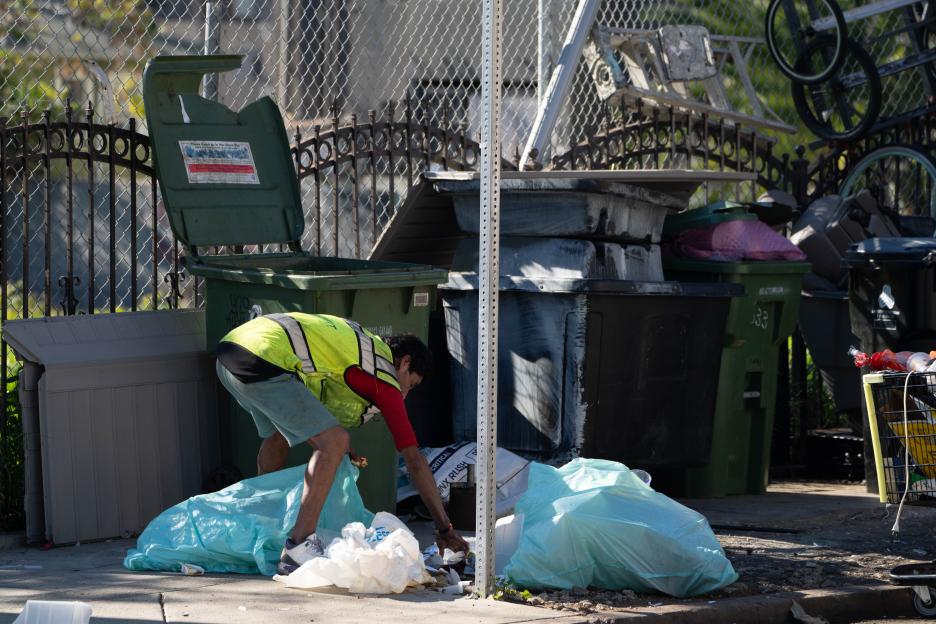 A man is seen trying to clear up rubbish piled up around encampments near a local parkCredit: John Chapple for The U.S. Sun
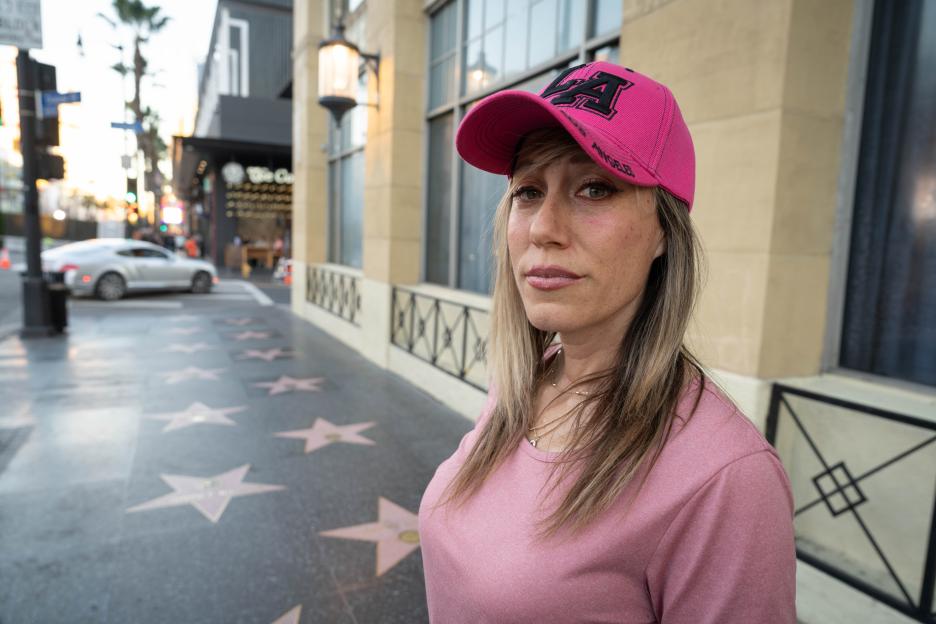 Los Angeles resident Tiffany Marie Miller says many of her friends have left the cityCredit: John Chapple for The U.S. Sun
 Selling The OC’s Alex Hall says selling real estate has become challenging in Los Angeles because of its problemsCredit: ADAM ROSE/NETFLIX
She told The Sun: “Los Angeles feels different now. The pandemic did not just pause the city, it reshaped it.
“People leave LA for a simple reason. They are no longer convinced the trade-off is worth it.
“For years, you paid a premium because you got sunshine, culture, opportunity, and excitement.
“Now many buyers ask, ‘What am I paying for exactly?’ I hear it constantly.
“They want to raise kids without constant stress.
“They want to walk to dinner without doing a risk assessment.
“I have heard of celebrities and high net worth individuals leaving, or choosing not to buy here, or keeping a smaller footprint in Los Angeles while basing themselves elsewhere.
“There is also a strong trend of people relocating to the UK. Some are going for creative reasons, some for lifestyle, some for family.
“There is a sense that London offers culture without the same level of daily chaos.
“The UK can feel like a reset button. It is quieter, it is more walkable, it has privacy built into the culture, and for some public figures that matters more than sunshine.
“There is also a feeling of stability that is attractive when people are tired of volatility.
“For some celebs, it is also about raising kids in an environment that feels less exposed and less intense.”
She revealed that many buyers now ask about security plans and response times.
“The biggest problems are the visible disorder, the unpredictability, and the sense that enforcement and services are not keeping up with reality
“For many residents, the scariest part is not one specific incident. It is the constant feeling of being on alert,” she added.
‘Sometimes I carry pepper spray’
Rosa Martinez, 24, has been living in Los Angeles for about a year, having moved from the South Bay area.
She says she walks down Hollywood Boulevard to get to work every day but often worries about her safety.
Asked if she was shocked when she moved to the area, she said, “Honestly, yes. There’s a park across the street on Franklin, and there’s a bunch of homeless people there all day long.
“I try to walk as fast as I can past them. Sometimes I carry pepper spray with me, just to feel safe.
“I feel like it’s gotten a little worse. I do see them coming around this area more than I do in Downtown LA.”
With the World Cup, Olympics, and Paralympics ahead, she believes the city will see improvements, but fears problems could return as soon as the competitors and tourists leave.
“Who knows where they are going to send these people?” she said.
 Clean-up efforts will soon begin ahead of major sporting events being held at several venuesCredit: John Chapple for The U.S. Sun
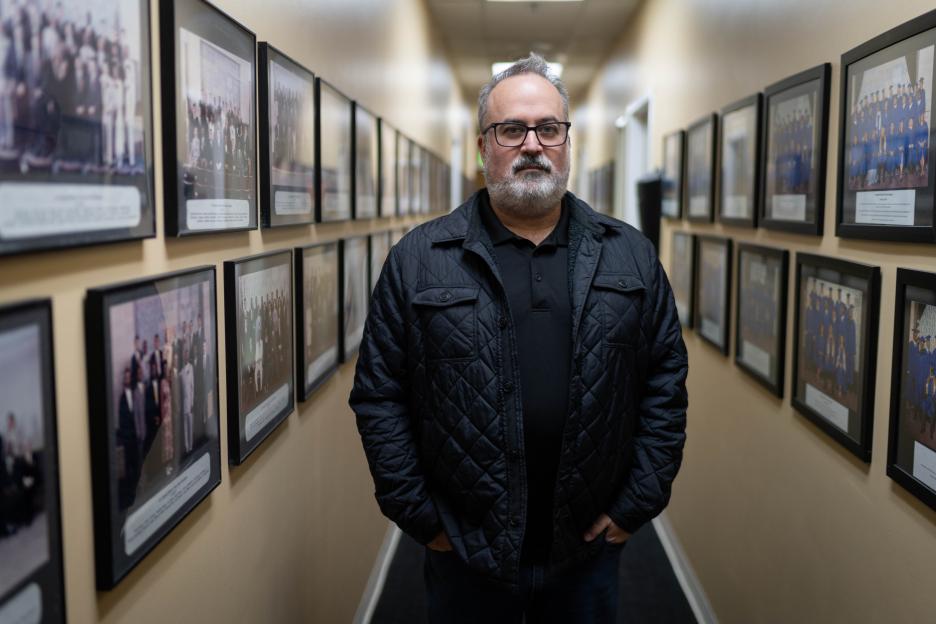 Dennis Oleesky, the interim CEO of the Los Angeles Mission, is pictured at his office in Downtown Los AngelesCredit: John Chapple for The U.S. Sun