BRITS were today urged to take extra precautions abroad after cases of a diarrhoea causing parasite hit a decade high.
The infection, often mistaken for irritable bowel syndrome, sickened 6,069 people in the UK last year, chiefs said.
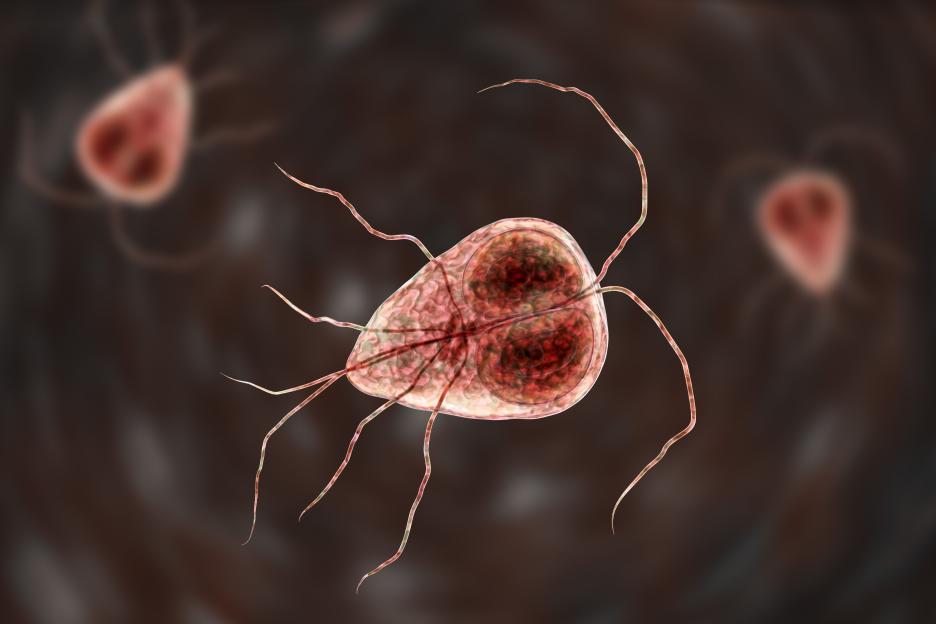 Credit: Getty
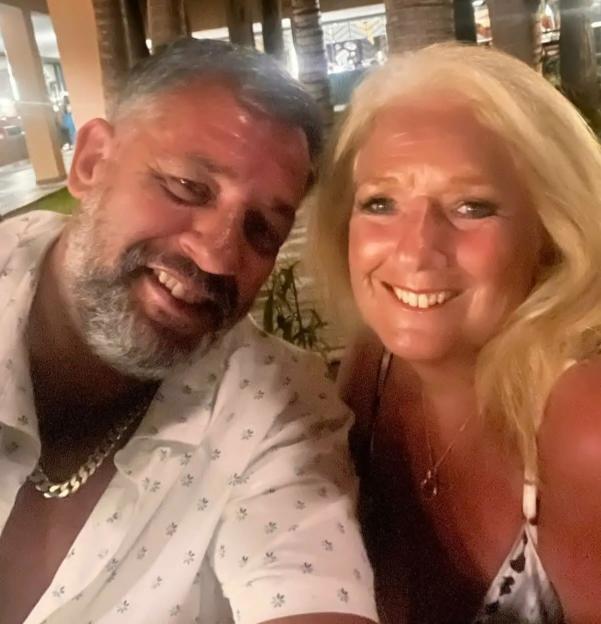 Last year, Helen Wardle, from Plymouth, contracted multiple highly-contagious bacterial infections – including Shigella, Cryptosporidium and Giarda – while on holiday in Cape Verde
By comparison, there were 5,450 cases in 2024, marking a rise of more than 11 per cent.
The highly infectious parasite stomach bug, giardiasis, causes diarrhoea, bloating, burping, wind and weight loss.
But, in rare untreated cases, children with the infection can suffer malnutrition and stunted growth.
Officials at the UK Health Security Agency (UKHSA), warned the rise may in part be due to increased travel since the Covid or better testing.
They urged people, however, not to go until at leats two weeks after diarrhoea has stopped.
Parents must also contact their or 111 if they or their children are ill with dehydration, or if diarrhoea worsens or lasts longer than 3 days.
Nicola Love, senior food safety surveillance lead at UKHSA, said: “We are seeing a rise in giardiasis in the UK.
“Symptoms can last from weeks to several months and if left untreated, it can cause serious complications especially in young children, the elderly and those with weakened immune systems.”
According to the UKHSA, infections are being seen in people returning from Southern Asia, South-Eastern Asia, Africa and South America.
Those travelling should drink bottled water and eat cooked food rather than raw items, such as salads that have been washed in tap water.
Giardia infection can be picked up in the UK as well as overseas, and is spread by consuming contaminated food or water, or through direct contact with infected people or animals.
It is often caused by swallowing untreated water from lakes, rivers, streams or unverified public supplies and the UKHSA advised people to stop swimming in rivers or lakes when abroad.
The infection can also be sexually transmitted.
Ms Love added: “There are some simple precautions everyone can take to reduce their risk, whether you are planning an getaway somewhere warm or staying in the UK.
“Good hygiene can help prevent giardiasis and other common gastro illnesses.
“Wash your hands with soap and water after using the toilet, after changing nappies, and before preparing food.
“Encourage children to wash their hands regularly too.
“If you have a giardia infection, continue to hydrate yourself and see your GP – do not go swimming until two weeks after your diarrhoea has stopped.
“Parents should contact their GP or NHS 111 if they or their children are ill with dehydration, or if diarrhoea worsens or lasts longer than three days.”
Red flags to look out for in your child
Infections, like colds and flu, and tummy bugs that cause diarrhoea and vomiting, are very common in babies and children.
Thankfully, most will make a full recovery without needing treatment.
However, you should phone 999 or go to A&E if they:
- Stop breathing or have pauses in their breathing
- Have severe difficulty breathing, such as grunting or noisy breathing
- Look seriously unwell – e.g. they are very pale, grey, or white, or have mottling (pale patchy skin with a purple tinge) on their arms, legs or body
- Aren’t showing a normal colour of skin, lips and tongue – e.g. very pale, blue or purple
- Aren’t awake and can’t be wakened, or are very difficult to waken
- Are breathing very rapidly, even when resting and when not upset or crying
- Vomit blood or have vomit that looks like ground coffee
- Have yellow-green or green vomit
- May have swallowed something poisonous
- Have a stiff neck and pain when looking at bright lights
- Have a sudden, severe headache
- Have a sudden, severe stomach ache
- Are confused or not responding as usual
Ultimately, you know your child best. Always trust your instincts and seek urgent medical help if you think there’s an emergency.
Source: NHS