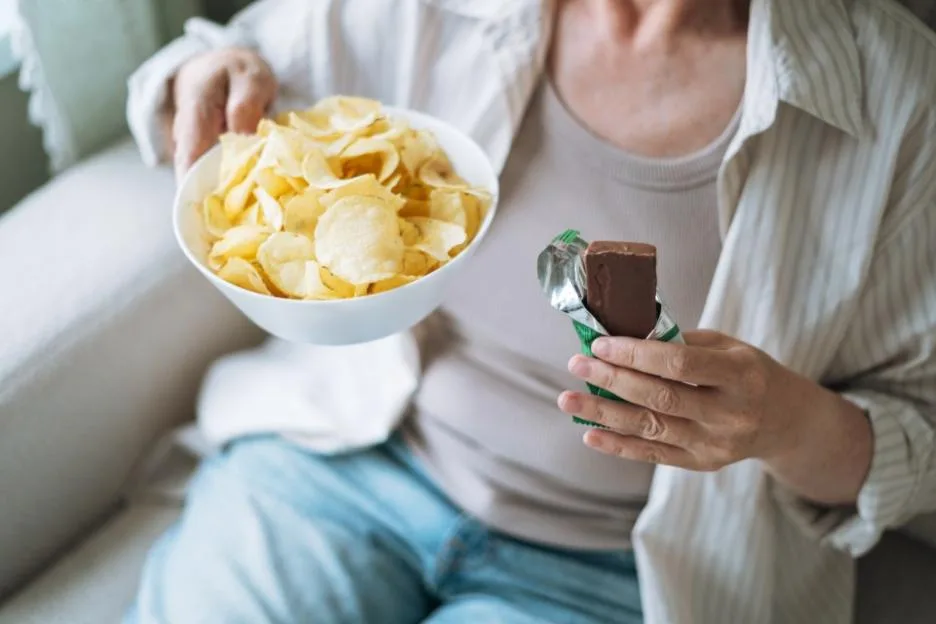
LATE night snacking could raise your risk of two liver diseases by up to 30 per cent, new research has suggested.
Many Brits know that eating late at night could make you .


Experts have previously said this is because people tend to be more active earlier on in the day and far more sedentary after eating dinner.
But now, scientists believe that this habit may directly impact your liver.
In fact, new research published in the Clinical Gastroenterology and Hepatology journal found that was linked to a significantly increased risk of .
By analysing data from around 200,000 people across three studies, the study observed that people who ate after dinner or after bedtime had a higher risk of metabolic dysfunction-associated steatotic liver disease (MASLD) or cirrhosis .
MASLD is a common condition where fat builds up in the liver, and it is often linked to being overweight and conditions like type 2 or .
It is also referred to as non-alcohol related fatty .
It is a chronic condition that happens in around one in four adults in the UK, with most people having no symptoms in the early stages.
The main treatments for MASLD are simply eating healthily, physical activity and maintaining a healthy weight, but medicines may be used to treat related conditions like type 2 and .
In a small number of people, however, MASLD can lead to cirrhosis – a condition where the liver is severely damaged.
This can be life-threatening if not addressed with lifestyle changes and treatment.
The 4-step formula to prevent late night snacking
Late-night snacking is a particularly hard habit to kick, but Melissa Jaeger, head of nutrition at MyFitness Pal, says to get to the bottom of the habit you should think back to what you ate earlier in the day.
“Eating enough at breakfast and lunch, especially protein and fibre, helps keep you satisfied and cuts down on that pull toward snacks [later in the day],” she says.
She suggests a simple four-step formula to follow at lunch time, which can help curb cravings later in the day.
Your meal should include:
- Vegetables or fruit
- A protein, like lean meat, fish, beans or tofu
- A fibre-rich carbohydrate, like whole wheat pasta or rice, or sweet potatoes
- A flavour boost, like herbs, seasoning, or healthy fats like olive oil or avocado
“Water matters too,” Melissa adds.
Sometimes thirst can be confused for mild hunger, so making sure you’re hydrated throughout the day can help control mindless snacking.
Read the rest of Melissa’s advice .
Turning back to the new study, it found a 20 per cent to 30 per cent increase in all forms of liver disease among people who reported late-night eating, compared to those who didn’t.
Lead author Dr Robert Wilechansky, from and University (OHSU), said: “We know the liver is very much in tune with the body’s circadian rhythms.
“So we’re interested in changing the timing of eating in a way that could make a difference in health without changing the composition of what people eat.”
Dr Andrew McHill, a and circadian physiologist at OHSU, also said: “We are seeing over and over again that the timing of behaviours, whether it’s sleep, eating or exercise, really matters.
“For example, we have shown that eating during the night, when the internal biological clock is promoting sleep, reduces the ability of your body to metabolise foods as efficiently and can eventually lead to , diabetes and now poor liver health.”
And commenting on the study’s findings, Dr Wilechansky continued: “It’s important to remember, of the people who developed fatty liver disease, only a small fraction develop serious forms of the condition like liver cirrhosis.
“Even so, the big take-away here is that confining your calorie intake to several hours before bedtime might be beneficial.”