A NEW ban may be coming to swimming pools and changing rooms across the UK in a government crackdown.
This comes after Wetherspoons barred those wearing the technology from recording in its venues.
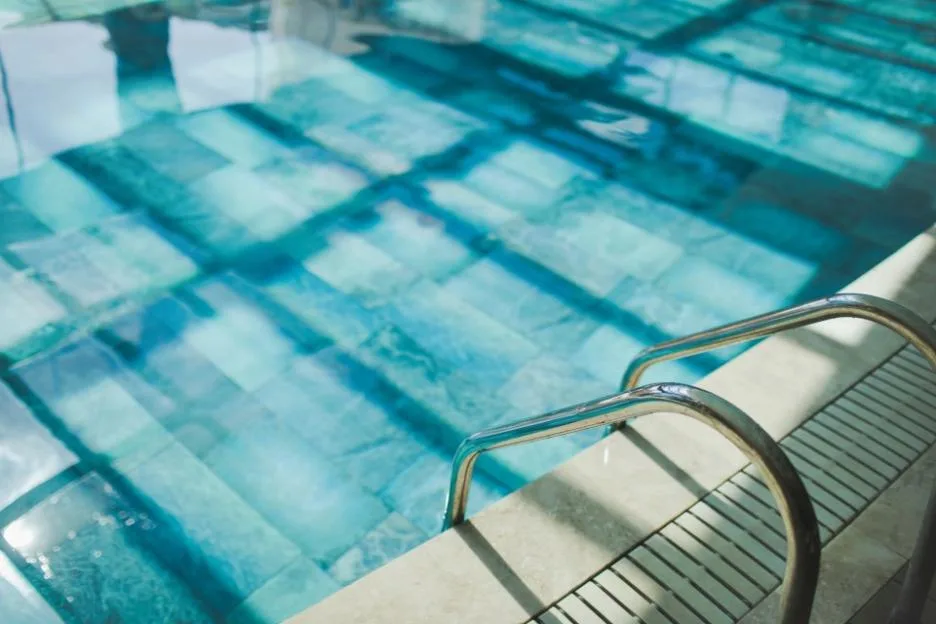
Plans to restrict the use of smart glasses in swimming pools and changing rooms are being consulted on by ministers, as the controversial technology continues to be criticised over .
The devices, which can record video, photos and audio without drawing the attention of those being filmed, have been condemned over potential harms to women and girls.
Although a small LED in the corner of the indicates when the camera is active, instances have already occurred of people being accidentally recorded in intimate spaces, including gym changing rooms and bathrooms, by those wearing the tech.
Now, Liberal Democrat MP and culture spokesperson, Anna Sabine, said that “women are reporting waking up after nights out to find that videos of them, filmed without their knowledge or consent by men wearing smart glasses, have gone viral online.
“To me these devices not only have the potential to erode safety and privacy in public spaces, but raise really important questions about consent,” she added.
Conservative MP, Shivani Raja, also noted that “camera-enabled smart glasses allow covert recording to take place at eye level, completely disguised as regular human eye-to-eye contact.
“For many women who are already navigating public spaces with extra vigilance, that creates real unease.”
If plans go ahead, swimming pools and changing rooms would become the latest area to ban the smart technology in the UK.
already introduced a policy in August prohibiting people from wearing inside its more than 800 pubs over fears that customers and employees could be recorded without their consent.
Later that month, the UK Cinema Association (UKCA) also announced that many would be “introducing policies to prohibit and/or restrict the wearing of camera-enabled smart glasses” in their venues.
However, it is unclear how many cinemas have banned the technology in their venues since.
In response to criticism at the time, a spokeswoman said: “People use our glasses because they’re helpful and let them stay in the moment, from listening to music to live translation or hands-free calls.
“They also provide critical new technology for people in the blind and low vision community and limiting how people can use this technology would be a major step backwards.