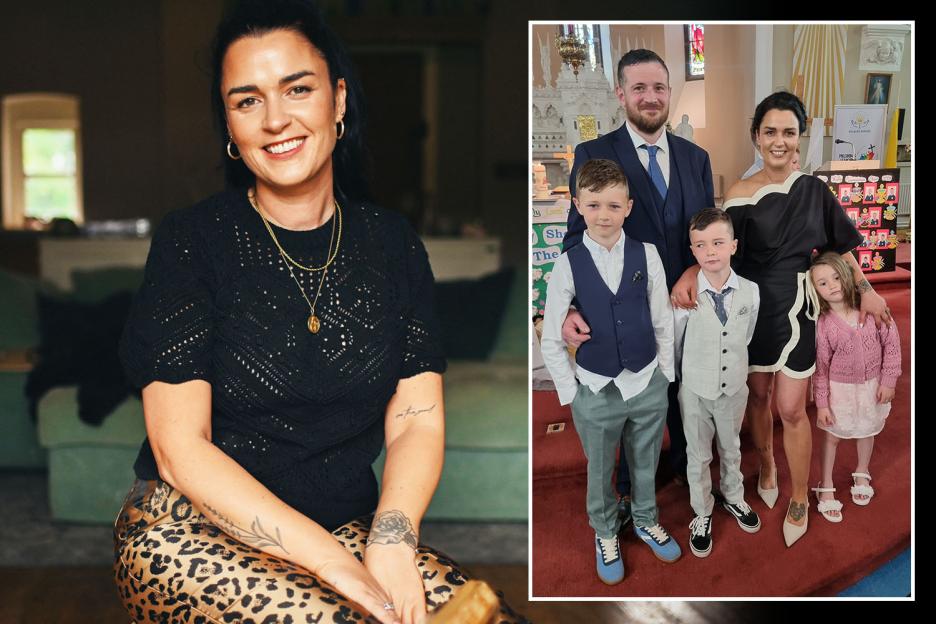
ALANNAH Sheehan has been recording videos of herself for six years – because she didn’t want her babies to forget the sound of her voice.
The mum-of-three was given a “death sentence” when her youngest was only 19 weeks old with a cancer diagnosis which rocked her life.
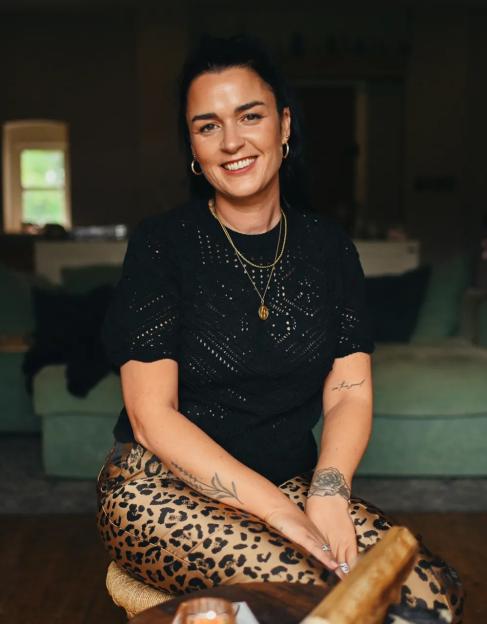 Alannah Sheehan was a stressed mum-of-three living on McDonald’s and Red Bull when she was given a death sentence
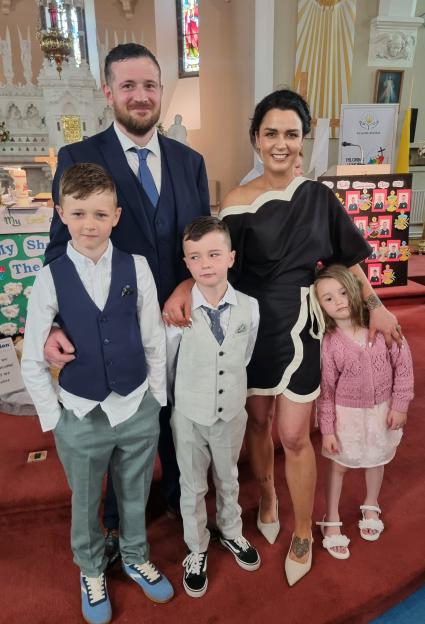 Alannah with her husband, Martin, 41, and their kids Finn, Luca and Phoebe
“Doctors said my chances of survival were severely diminished,” she remembers.
“I would die – leaving my baby daughter Phoebe, and sons Finn, then four, and Luca, two, without their mummy.”
Told she had only 12 to 15 months left, Alannah began to fight for her life. The former chef overhauled her diet, admitting she’d been a “stressed mum, drinking too much Red Bull, skipping meals or grabbing McDonald’s.”
Six years on, her latest scan in February showed her – which she’s nicknamed “Mabel” – hasn’t grown since receiving treatment in December 2020.
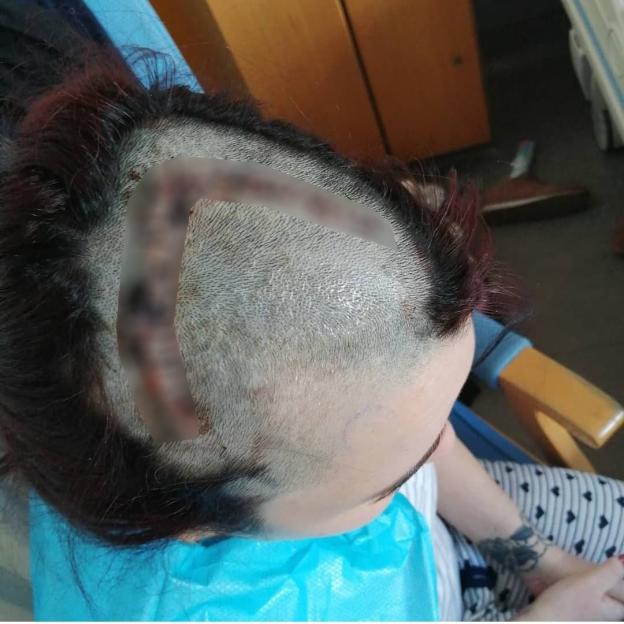 Alannah after having surgery to remove the mass in her brain in March 2020 Credit: SUPPLIED
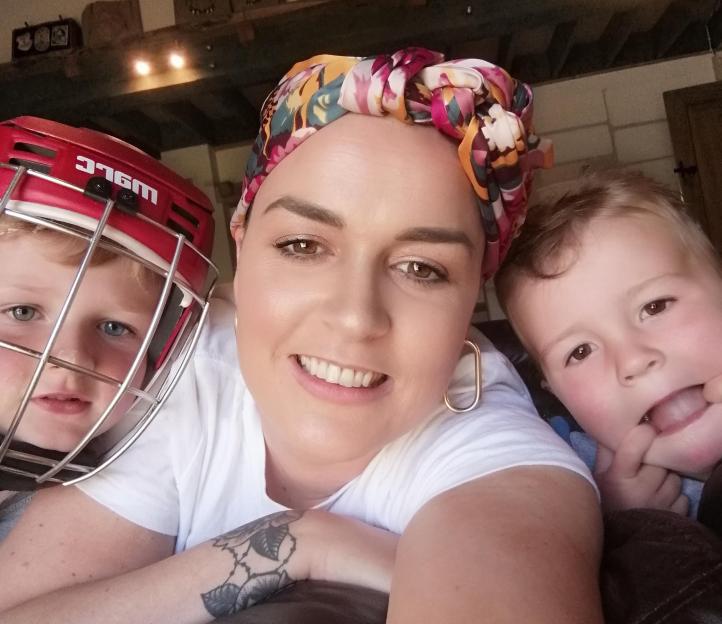 Alannah was offered six weeks of radiotherapy and six months of chemotherapy to buy her some time with family. She is pictured with Finn, left, and Luca, right Credit: SUPPLIED
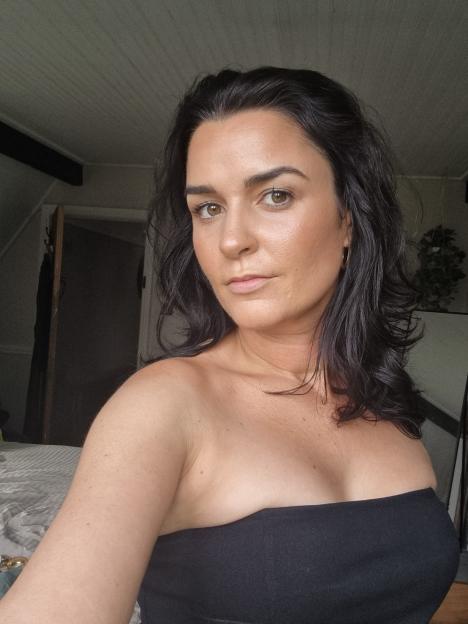 Pictured in 2024, Alannah is well past the 15-month prognosis she was given in 2020 Credit: SUPPLIED
First signs
It was March 2020 when Alannah was diagnosed with.
The first sign had appeared the evening of Phoebe’s christening that January, when she suffered a seizure.
“My husband Martin, 41, a builder, woke me, saying I’d been lying face-down on my pillow making gargling noises,” says Alannah.
“I’d bitten my tongue, but the next morning, the only reminder was blood on my pillow. I put it down to tiredness and stress.”
A few weeks later, Alannah was rushed to Cork University Hospital after another seizure.
Doctors discovered a mass in her brain, but said it was unlikely to be cancerous.
She underwent surgery to remove 90 per cent of the mass later that month and a sample was sent for a biopsy.
Then the Covid lockdown hit, meaning she was given her results over the phone.
The diagnosis
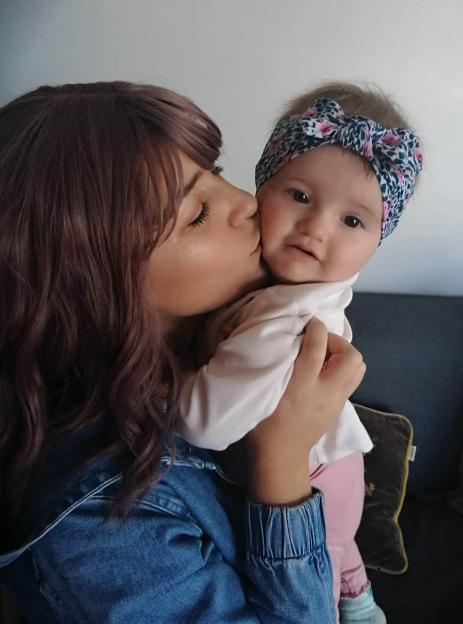 Alannah was given a ‘death sentence’ when her youngest, Phoebe, was only 19 weeks old Credit: SUPPLIED
A doctor told Alannah she had , one of the deadliest of brain cancers.
People with this type of aggressive brain tumour live 12 to 18 months on average, according to The Brain Tumour , with only 5 per cent making it past five years.
“When the hospital rang, I had questions written down like: ‘When can I wash my hair?’ and: ‘When can I go on holiday?’ They told me it was glioblastoma and suddenly my questions didn’t matter any more.”
Martin came into the room and held Alannah as she sobbed. Googling glioblastoma, she saw there was “basically no hope”.
“I decided to set up an account, @Worth_fighting4, to document my last year of life.
“I thought about writing letters for the kids, then realised that social media would allow me to make videos and reels of photos so they could see me and hear my voice.”
Alannah was offered six weeks of to buy her some time.
She responded well to treatment, which stopped the tumour growing further, though it left her battling intense tiredness and nausea.
Lifestyle revamp
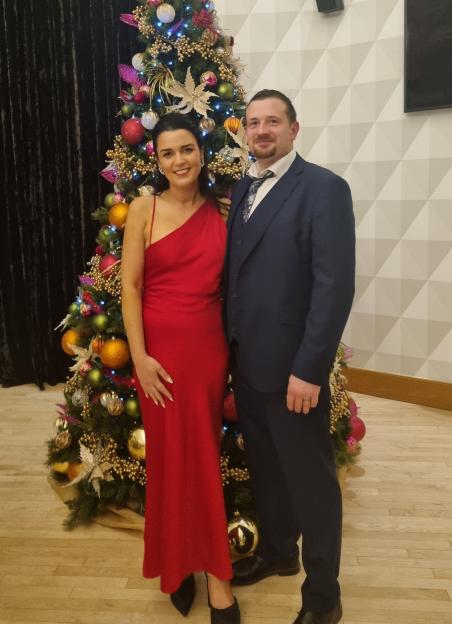 Alannah’s husband found her ‘lying face-down on my pillow making gargling noises’ before her brain tumour diagnosis Credit: SUPPLIED
Off work from her job as a chef and with time on her hands, she read up on how nutrition may affect cancer, including Eat To Beat Disease by Dr William Li.
“At my first face-to-face appointment with my oncologist, I asked if lifestyle changes would make any difference, but was told no,” she says.
But remembering the home-made soup her mum used to give her whenever she was ill, Alannah knew she had to shake up her poor diet.
“I couldn’t help thinking back to my mum’s hearty broths whenever we fell sick,” she explains.
“I did a deep dive into nutrition and lifestyle for healing, quit sugar, cut out processed food and went mostly , focusing on filling my plate with plants.”
Alannah also quit , started drinking a daily green juice with celery, cucumber and lemon, and concentrated on a positive mindset.
“Of course, I felt low occasionally – everyone does.
“But I tried to limit it to a bad hour, rather than a bad day, because I didn’t know how many days I had left,” she adds.
What could help you beat cancer?
GETTING medical treatment is the most effective way, but diet tweaks can help manage side effects and maintain strength.
“A balanced diet that prevents you from losing weight and muscle is linked to coping better with cancer treatment, and a better prognosis overall,” says Joanna Injore, registered oncology dietician at JI Nutrition.
Eating plenty of beans, lentils, pulses, soya or tofu helps, she says, as does aiming for five portions of fruit and veg daily and reducing your intake of red meat.
When it comes to foods that may lead to cancer, processed meats have been labelled carcinogenic by the World Health Organisation.
Also, obesity is the second biggest cause of cancer in the UK, so keeping a healthy weight can reduce the risk of disease.
Finding joy
After finishing chemotherapy in December 2020, Alannah had scans every three months to monitor her tumour.
“At first, it felt like I was living from scan to scan, and the wait for the results each time made me feel physically sick,” she remembers.
“But I passed the 15-month milestone and, slowly, the months turned into years. At each scan, Mabel remained stable.”
Alannah says she sometimes asked: “Now what?” at her hospital appointments, but there was no clear answer.
“There was no long-term treatment plan for my kind of cancer, because patients don’t normally live long enough to need one,” she explains.
“Online, the friends I’d made in glioblastoma and brain cancer forums were all dying. It was so tragic.”
Meanwhile, Alannah started getting scans every four months. “I celebrated every single milestone with the kids, so grateful to be around to teach the boys how to ride bikes and take first-day-at-school photos on our doorstep,” she says.
“Every time Phoebe lost a tooth, I loved seeing her pink gums. I used to find it difficult to look to the future. Now, I’m a big fan of visualisation and when I close my eyes I can clearly see myself as a grandmother, with long grey hair, pushing one of my grandchildren in a pram.
“I’ve had 27 scans now, and the last one in February showed that Mabel is still stable,” she says.
Last year, Alannah set up her monthly recipe subscription service, Survive & Thrive, to help others battling hardship to focus on something that gives us all joy – food.
“Every morning when I wake up, the first words I say are: ‘Thank you’, and every night before I go to bed I say: ‘Thank you’ again,” she says. “My philosophy is that I’m not dying today, so there’s no point moping about it.
“I’d rather go hell for leather and enjoy every moment of life.”
- Visit Alannahsheehan.com .