SCIENTISTS fear the future of space travel could be at risk after a SpaceX rocket crashed into the Moon.
A school bus-sized section of the Falcon 9 rocket was near the Einstein crater at around 5,400mph on Wednesday.
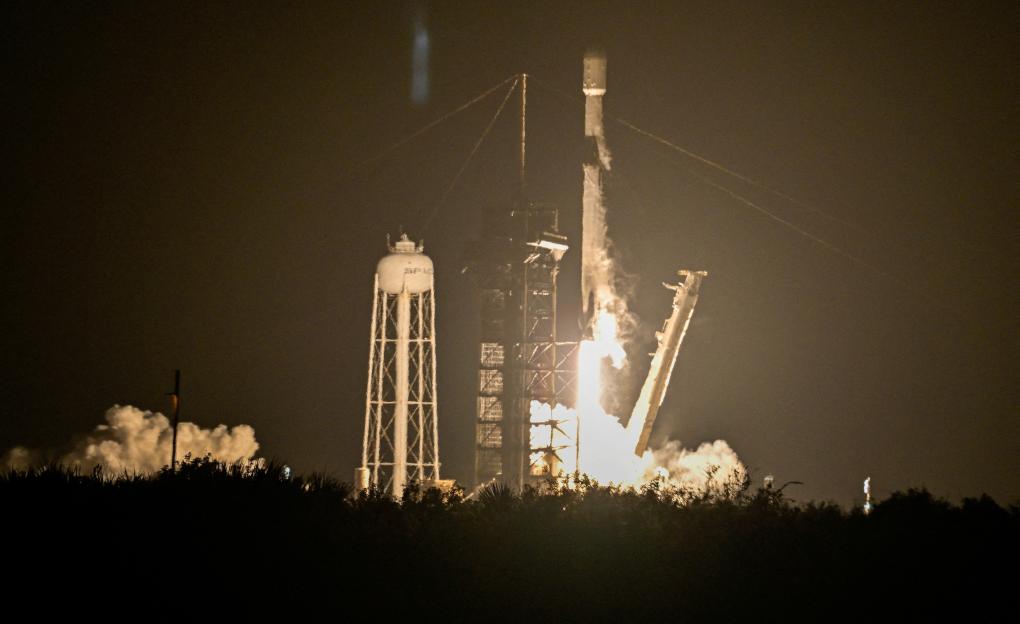 Part of SpaceX’s Falcon 9 rocket crashed into the surface of the Moon Credit: Reuters
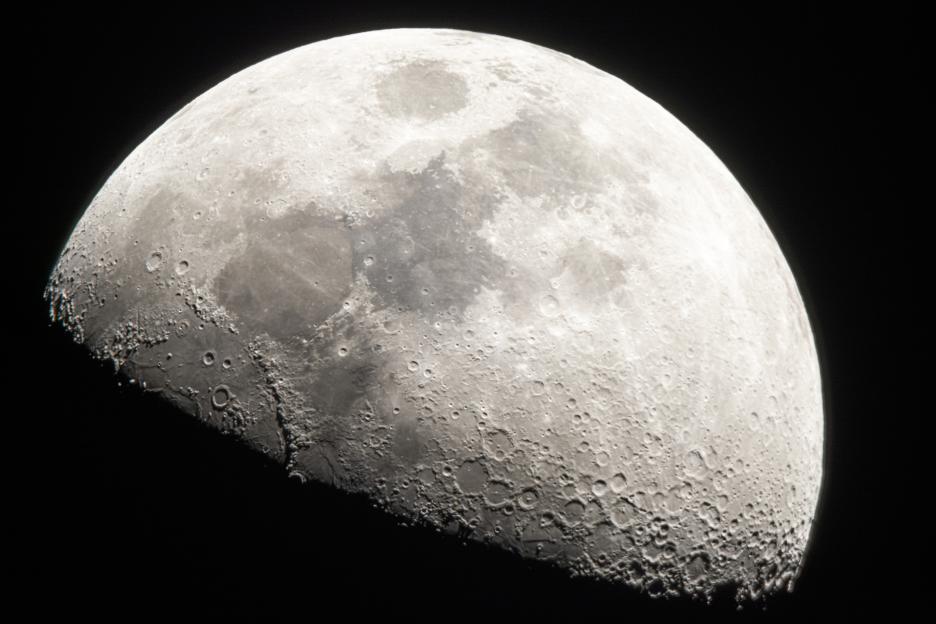 The collision was very difficult to observe from Earth Credit: Getty
The impact is thought to have unleashed an explosion equivalent to three tonnes of TNT, creating a 100ft wide crater.
However, the collision was almost impossible for amateur astronomers to see, but major observatories around the globe are now hoping to catch a glimpse.
Even so, it could take weeks before the full extent of the impact becomes clear.
‘s Falcon 9 is a reusable rocket designed to return much of its hardware safely to after launch.
 The Falcon 9 rocket is made up of parts which can be returned to Earth Credit: Alamy
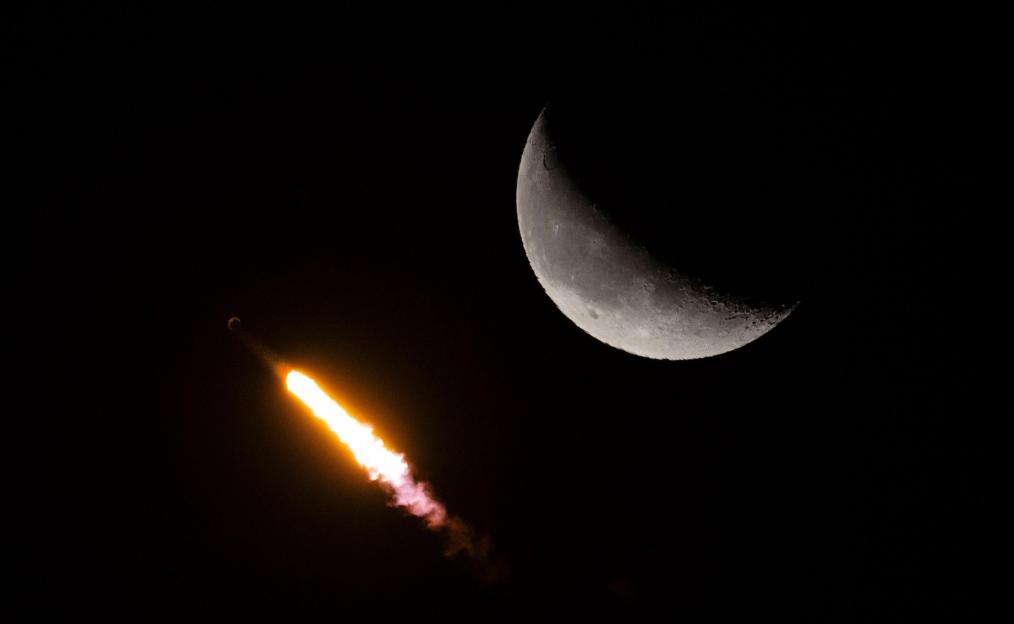 Scientists have warned that space debris poses significant risks. Credit: Alamy
While its first stage lands back on Earth, other components are left to float in space.
It took off from Cape Canaveral, Florida, and was carrying Firefly Aerospace’s Blue Ghost lunar lander and another one from ispace, a Japanese firm.
The Blue Ghost successfully touched down on the Moon in March 2025 but the other lander was wrecked.
The abandoned 45ft rocket part that helped it blast off into space was supposed to have fallen off and later be burned up in the Earth’s atmosphere.
Over the following 18 months, the Moon’s gravity gradually pulled the rocket fragment into a fatal descent before it smashed into the surface.
‘s Danuri lunar orbiter captured images of the impact, but said the footage will not be released until scientists complete their analysis.
Researchers now eagerly await those images because the crash provides a rare scientific opportunity.
With the rocket’s size, speed and impact location already known, the collision effectively becomes a controlled experiment.
Planetary scientists can use the data to test showing how impacts carve craters, blast debris across the lunar surface and send shockwaves through the Moon’s interior.
Understanding how much rock and dust is thrown up could help engineers design safer lunar landers and future Moon bases.
The freshly exposed material may also reveal new clues about the Moon’s geology.
But some experts warn the crash also highlights a growing problem with space debris.
Professor Hugh Lewis said tighter regulation is needed before similar incidents threaten astronauts or critical infrastructure.
He warned that if the Moon “becomes a true destination for us”, it will require extensive orbital infrastructure and a steady flow of missions between Earth and the lunar surface.
“We could see these kinds of events happening again in the future, then they would potentially be posing risks to human life, to infrastructure that’s there, to ,” he said.
Lewis stressed that this latest impact posed no danger to the Moon itself.
However, he warned that future uncontrolled crashes could eventually jeopardise lunar operations and make it harder to land safely.
The collision is believed to be the second of its kind in history.
In 2022, a Chinese rocket segment left two craters on the Moon’s far side after an accidental strike.