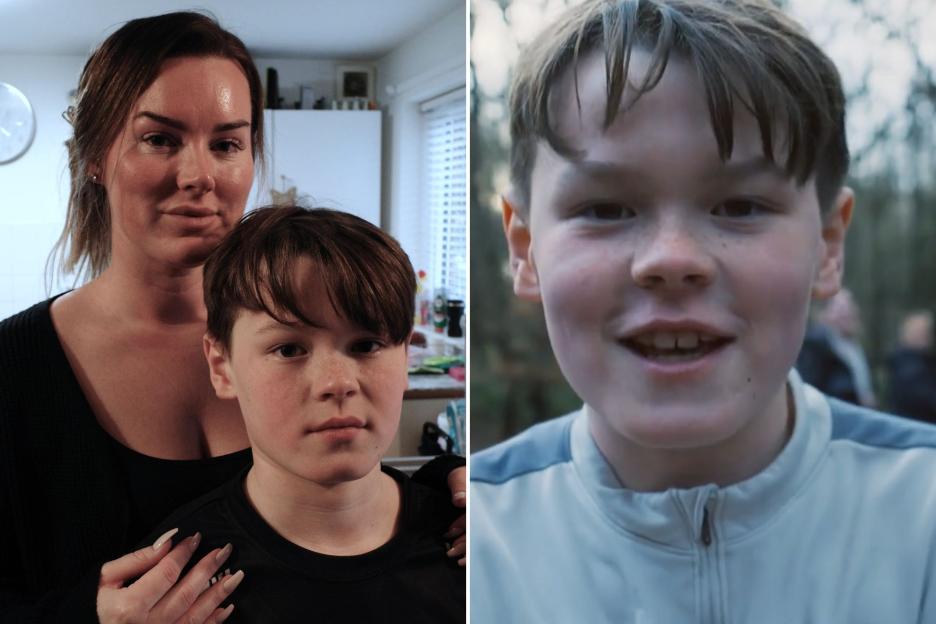
FOR the mum of ten year-old Mason, getting him an ADHD diagnosis was a relief.
Before being prescribed the powerful drugs that came with a diagnosis he was boisterous, impulsive and struggled to focus.
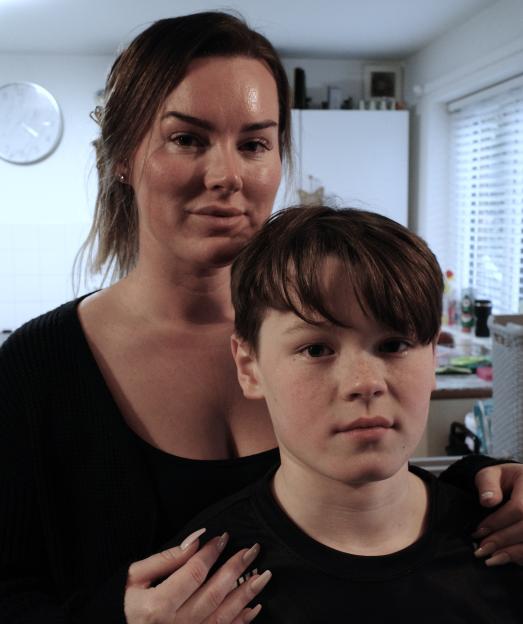 Shauna and her son Mason, 10, who took part in the experiment for Channel 4 Credit: Minnow Productions
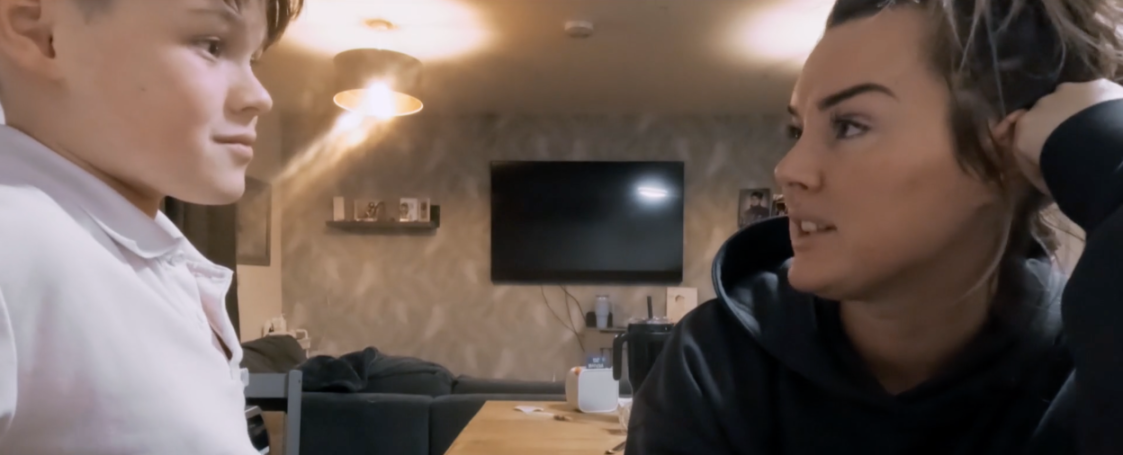 He was taken off his drugs for six weeksCredit: Refer to source
“He was getting 2s and 3s out of 60, but now since starting medication this is the first school report where he is achieving what he is supposed to be,” says his mum, Shauna.
“He is now on par with his peers.”
However, Shauna worried that the stimulant medication meant her son was no longer himself.
While he was more focused on his school work, his family were concerned that the drugs were dampening his energetic playful nature.
Mason said: “it takes my fun-ness away.”
Now as part of a documentary he has undertaken an experiment to see whether he really needed the drugs in the first place.
The programme ‘The Great Myth’ questions whether too many people are now being diagnosed with the condition, and if we should be giving so many kids the commonly prescribed drugs.
Some 2.6million Britons have the neurodevelopmental disorder that affects concentration, impulse control and activity levels.
For decades it has been treated with stimulants, such as amphetamines, to boost and improve concentration.
Nearly 250,000 sufferers in England were prescribed medication on the last year – more than three times the 81,000 prescriptions issued in 2015.
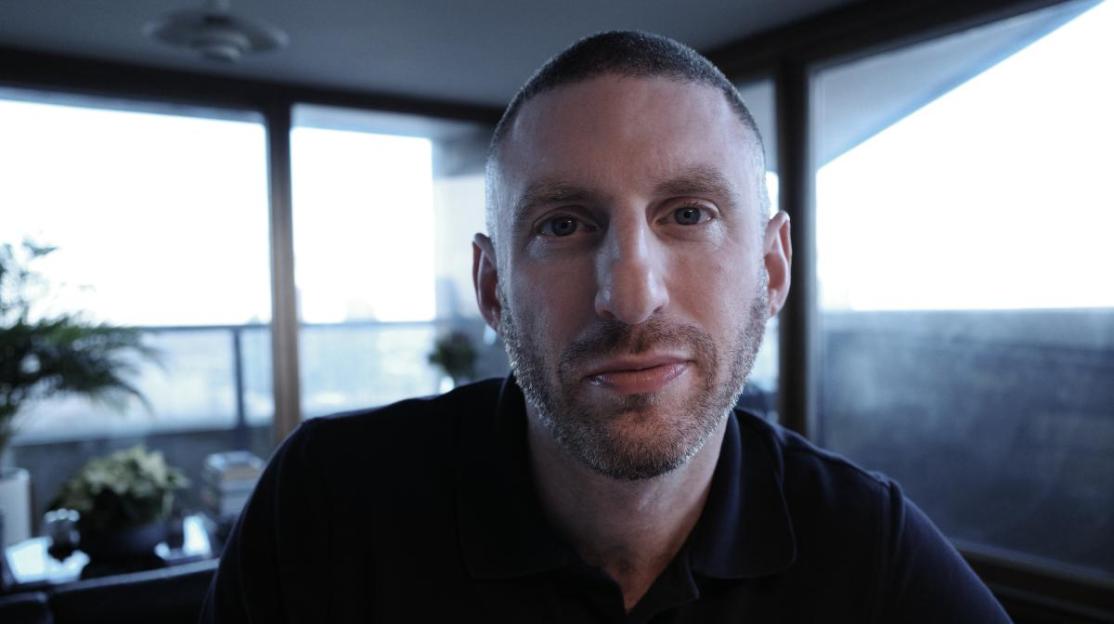 Dr Max Pemberton, a full-time NHS psychiatrist investigates the rising number of ADHD diagnosis in the documentary Credit: Channel 4
However, some experts are now questioning whether it is right that children are being prescribed mind altering drugs.
Some ADHD drugs are amphetamines, Class B controlled drugs in the same schedule as morphine.
Common side effects include: agitation, anxiety, low mood, irritability, tics, uneven heartbeat, raised blood pressure, weight loss, grinding, blurred vision, nosebleeds and aggression.
Dr Max Pemberton who presents the documentary and is a consultant psychiatrist says: “It’s shocking that we’re giving children powerful medicines that can fundamentally change their character and personality without a bigger debate.
“I and many colleagues are uneasy about it, but the subject has become so charged that speaking up in public has felt like picking a fight.”
Dr Sami Timimi, a consultant child and adolescent psychiatrist, believes we’ve replaced corporal punishment with a new way of disciplining children, which is giving them a pill, and that in some respects it’s worse, ‘because it comes with the idea that there is something lifelong inside you going on.’
However not all experts agree. Speaking to The Sun, world leading ADHD researcher Professor Katya Rubia, from Kings College London, who features in the documentary, said: “My worry is that people will view the documentary and think that ADHD does not exist – that is not true.
“It is also not correct to suggest that there has been a big surge in prevalence, but there has been a loosening of the diagnostic criteria.”
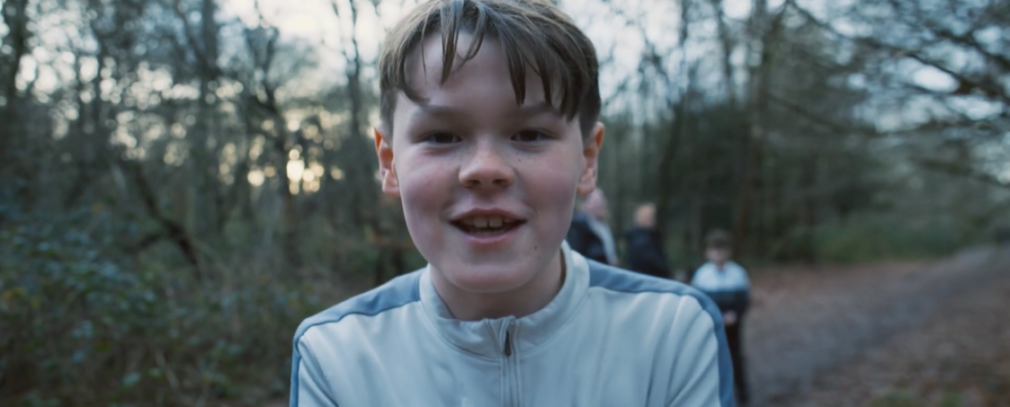 Mason’s mum said that he became more himself when he came off the drugsCredit: Refer to source
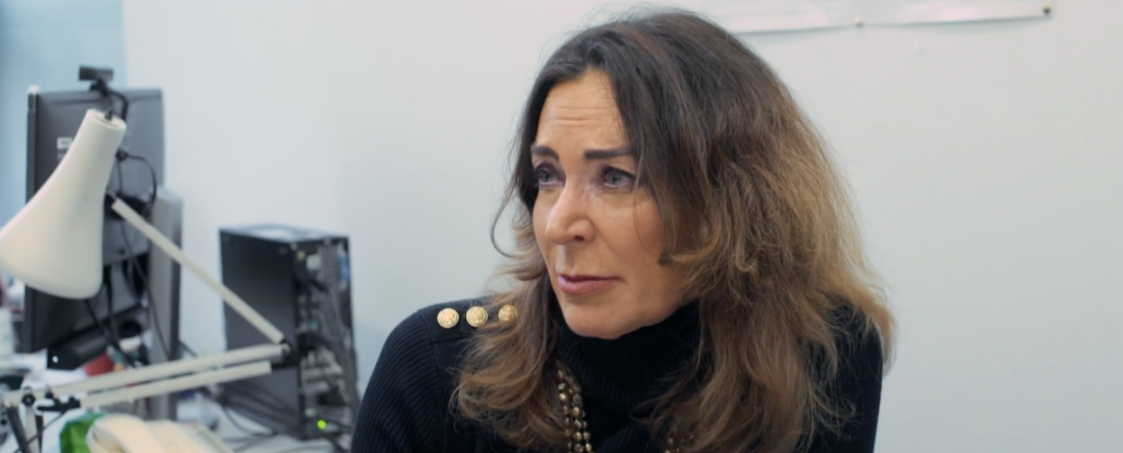 Dr Katya Rubia says she is worried that people will think that ADHD doesn’t existCredit: Refer to source
On using non drug interventions to treat the condition, she says: “The research shows that the effects from diet or exercise changes are actually really small, and almost comparable to the drugs themselves.”
To test whether the drugs are needed for children with the condition the programme followed Mason for six weeks while he went cold turkey.
Under the guidance of Dr Sarah Worley, from the Key Clinic, who specialises in not using medical interventions for ADHD, he was given a personalised plan.
This included quitting screen time, doing yoga, spending more time outside and cutting out processed foods alongside nutritional supplements.
Experts argue in the programme that any child sitting in front of a screen will show ADHD-like symptoms when they come off.
For the first few days of the experiment Shauna’s video diaries show a boy bouncing off the walls.
But then something shifted – and by week three he was calmer and much happier. ‘I finally get to be myself,’ he said.
“He is a lot more loving, affectionate and happy,” says his mum, Shauna.
However, his school report said that he was more disruptive and less focused during the day, but his friendships got stronger because he was more social and chatty.
This left his parents with a burning question whether to keep him on the drugs after the six week experiment. Watch The Great ADHD Myth?, airing on Channel 4 on Tuesday, August 18 at 8pm to get the full results.
Alongside the issue of the medication, the documentary argues that far too many children are getting an ADHD diagnosis because the guidelines are vague.
The neurodevelopmental condition is not diagnosable by brain scans, so it comes down to an assessment of behaviour.
In the documentary Dr Iona Heath, a for 35 years and former President of the Royal College of General Practitioners, discusses the list of symptoms set by the Diagnostic and Statistical Manual of Mental Disorders (DSM) used for ADHD diagnosis.
Dr Heath says: “ I think my entire family, for several generations, could be diagnosed on the basis of this, and it makes it so clear that if you want the diagnosis of ADHD, you’ll be able to get it.”
While some argue that this has led to parents being exploited.
Professor Dinesh Bhugra, past President of the Royal College of Psychiatrists, was blunt about where this leads: “The industry around ADHD is about making , at the cost of misery of others.
“I’d add this to the worries: When somebody has handed over a substantial sum for assessment, everybody in that room knows what they’ve come for, and it takes a strong-minded clinician to send them away without an ADHD diagnosis and a prescription.”