
I sold my parents’ home to pay the man I loved £500k to save his life – then I found out the horrifying truth
When Gaby received a LinkedIn message from a handsome stranger in 2019, she thought she had found the man of her dreams. Handsome, green eyed and in his forties...
 Written byEze Chidiebere Paul
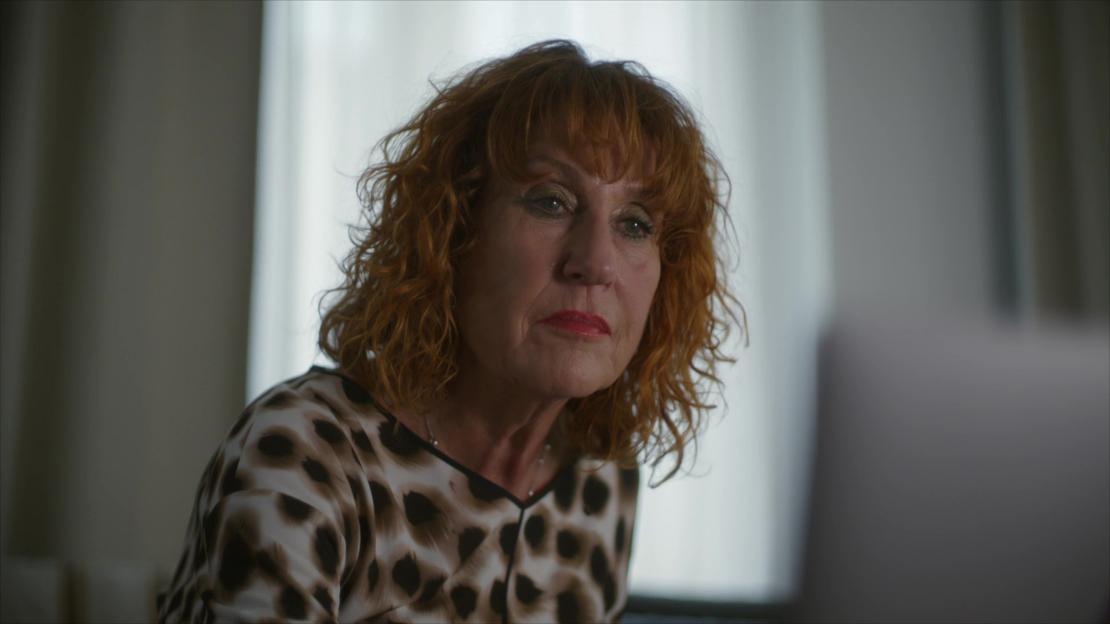
When Gaby received a LinkedIn message from a handsome stranger in 2019, she thought she had found the man of her dreams.
Handsome, green eyed and in his forties, Michael Silver seemed like her perfect match.
Gaby thought she had met the man of her dreams Credit: BBC
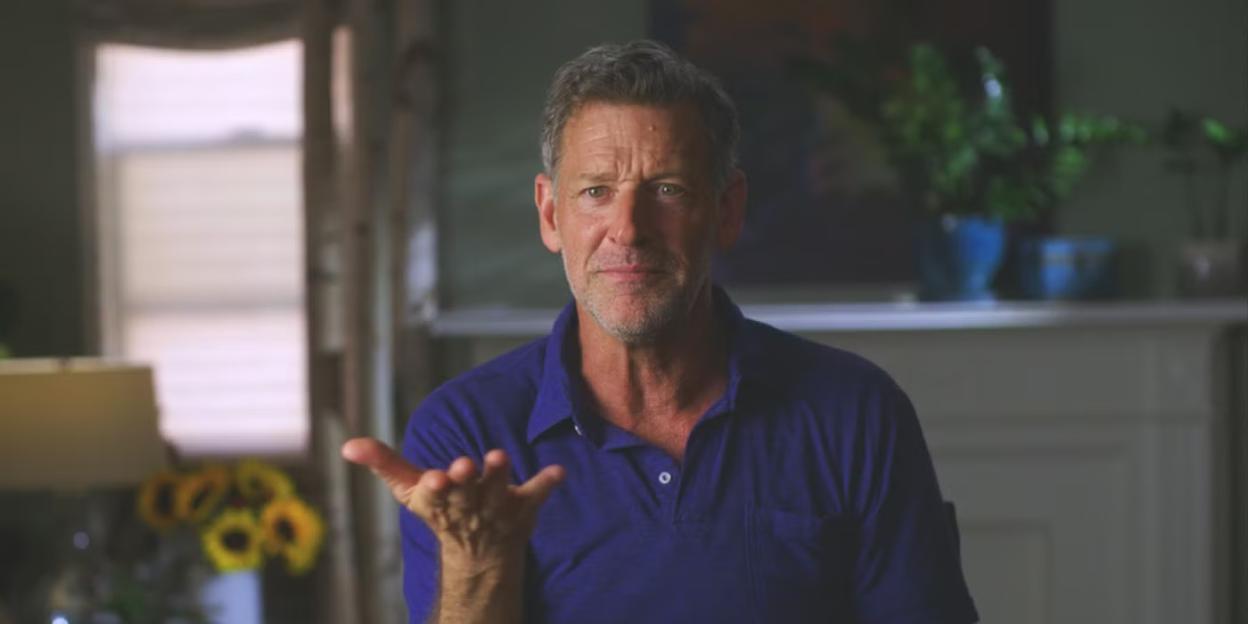 Brian Haugen’s pictures have been used to scam dozens of women Credit: HULU
Before long, the two had exchanged numbers and were talking regularly on . There, Michael, who she believed was a wholesale gemstone seller from London, showered her with compliments and made her feel like she was the most special woman alive.
“I had this new vision of my life. For me, it was like a new beginning,” she said in a three-part documentary, Hey Beautiful: Anatomy of a Romance Scandal, which airs tonight.
Two years after meeting the man she once thought was the love of her life, Gaby, from Frankfurt, had lost nearly $1.5million (£1.1million), including the money from her late parent’s house.
Over the course of two-year their relationship, Gaby exchanged thousands of messages with her scammer, who convinced her they were in love and would eventually have a future together.
But the reality turned out to be far more sinister. Gaby is one of hundreds of women who fell victim to an elaborate romance scandal based in .
The deception ran so deep that Gaby, a business woman, even considered taking her own life at one point.
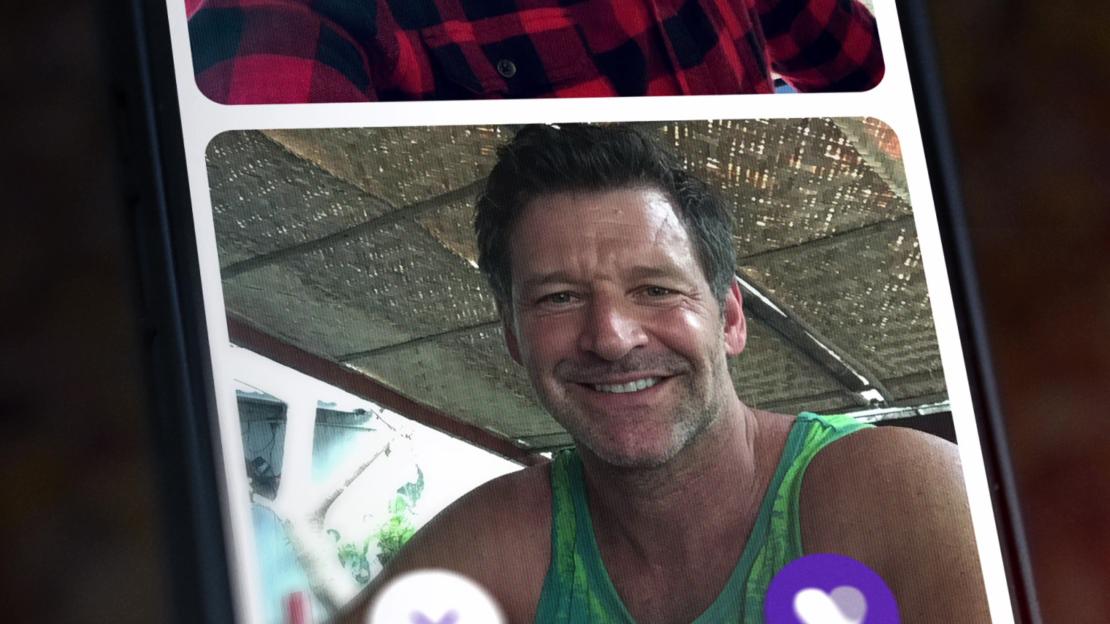 Brain Haughen did not know his pictures were being used for the scam Credit: BBC
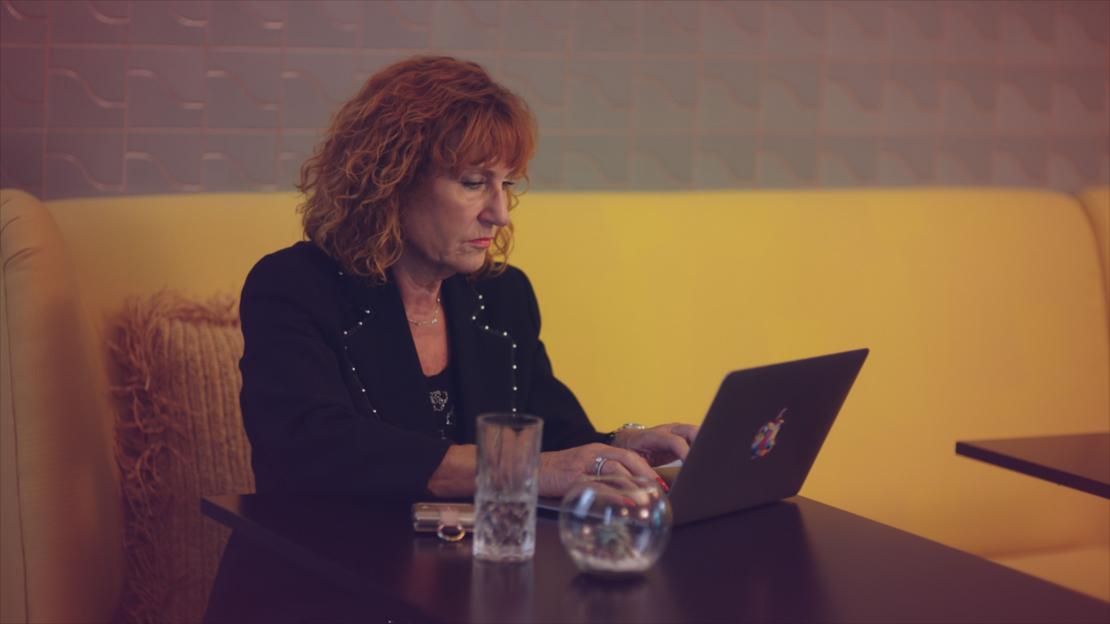 Gaby ended up losing around £1.1million Credit: BBC
“You start to think about whether you want to live anymore. I thought about suicide. You want to forget but you can’t,” she confessed.
The scammers were dubbed the ‘Yahoo Boys’ because they originally used Yahoo! Mail accounts as their primary tool to orchestrate internet scams in the early 2000s.
They are thought to be behind many of the thousands of fake social media accounts that have used pictures of a man called Brian Haughen to start relationships with women online in the hopes of tricking them into handing over cash.
Brian, an LA-based makeup artist, was none-the-wiser to his identity being used in the scam. His social media platforms, which were public, featured hundreds of photos of him from all over the world, meaning the scammers could easily use his photos to create a believable story.
Reports suggest that when the first began operating they used a fake Yahoo email address alleging to be a Nigerian Prince.
Twenty-six years later and the group, now calling themselves HK – Hustle Kingdom – are still operating, often using tech-savvy techniques to pull off successful scams.
It’s believed the group is a highly sophisticated network of people who sell scripts and guides on how scammers can lure in their victims.
When Gaby first connected with Michael online, she was none the wiser. She was led to believe that he was from and his wife had died of two years earlier.
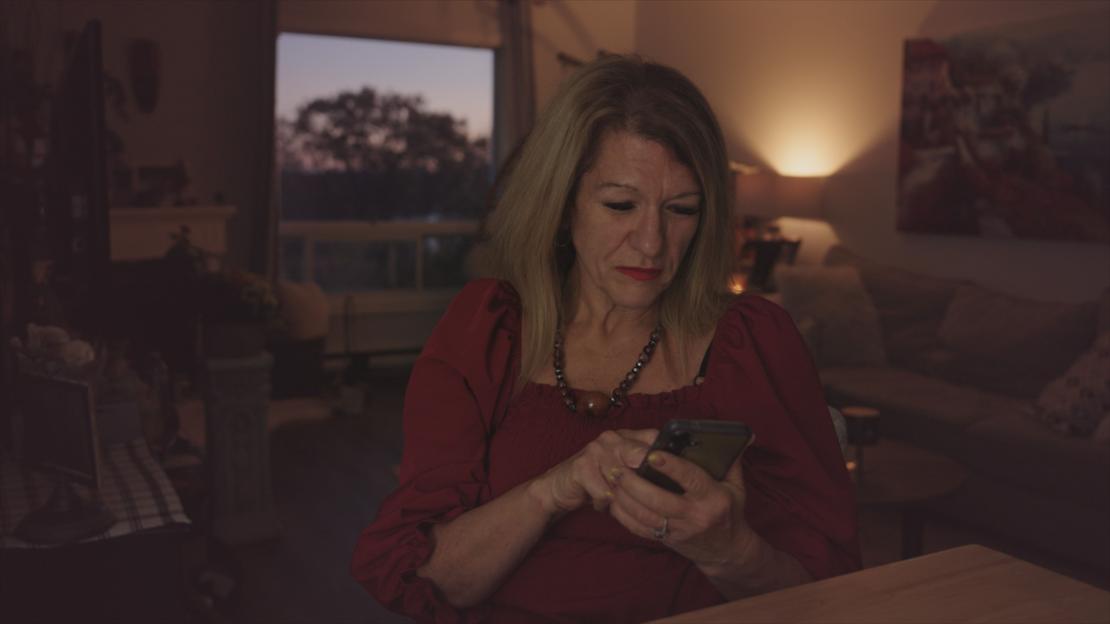 Annette, from Ontario, was also a victim of the scam and featured in the documentary Credit: BBC
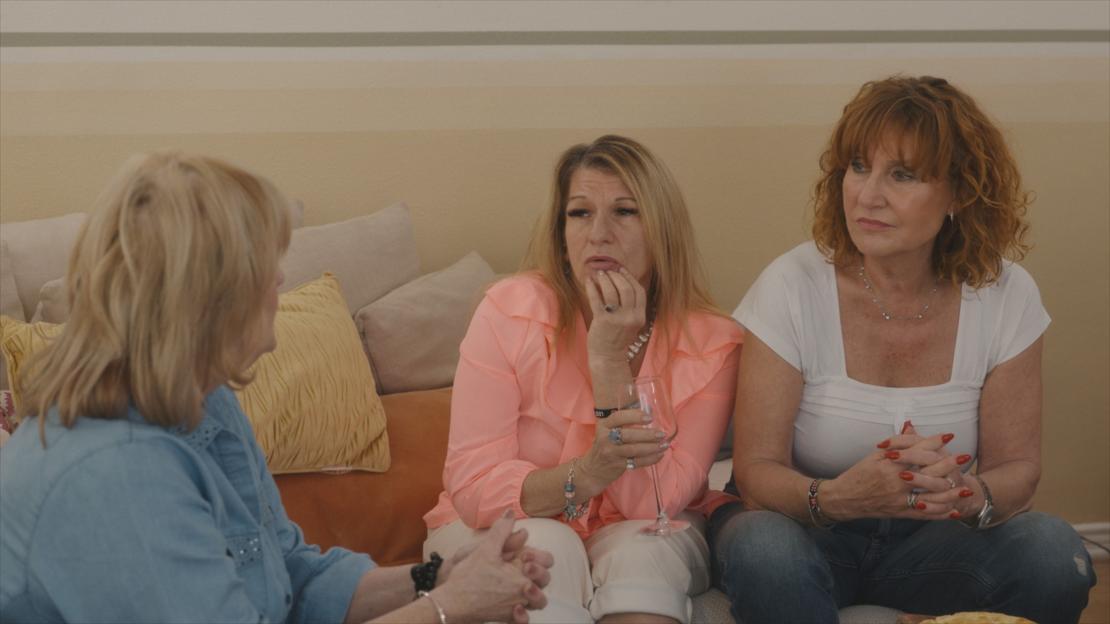 The women have since met to share their experiences Credit: BBC
She was married at the time and hid the relationship from her husband believing that Michael could offer her a new life.
“Day after day, he would text me and send me pictures from London. He texted more and more compliments saying how pretty I am,” she recalled.
“I had never experienced someone who tells you how they want to live with you and share a life with you. I started to fall in love with him.”
It wasn’t long before Michael had confessed his love for Gaby and the two planned to meet in a few weeks later.
But when the time came for the two to meet, Michael never showed. Instead, he told her needed to go to to buy raw gemstones, promising the fortune he earned from his business could help them start a new life.
She didn’t question anything at the time. “I loved him, I supported him, business is business,” she said.
On his way back to London, Michael contacted Gaby to tell her he was having problems getting through customs and needed her to transfer $5,000 to cover the fees.
Immediately suspicious, she asked if they could video call and Michael obliged. Through a few minutes of choppy video chat, Gaby was able to reassure herself that she had “proof he exists” and sent over the money.
She became further convinced of his existence when Michael later returned the money. “It made it feel like a serious relationship between partners,” she recounted.
But the only thing that got more serious was the amount of money Michael continued to ask from her.
Five thousand soon became $25,000 (£18,000) and at one stage, when trying to transfer a large sum to Michael, Gaby collapsed due to stress.
But it only cemented their relationship further. “When I was stressed, he supported me through it,” she said.
Things went from bad to worse when Michael told Gaby he needed several hundreds of thousands of dollars to pay for surgery in Vietnam after he allegedly suffered a heart attack.
She felt she was left with no choice but to sell her parents house.
Gaby sold the house for €475,000 (£407,000) and had the money transferred into . Her account was initially blocked by the company, who believed she could be a victim of a scam.
“At this moment, I started to doubt who was right,” she recalled.
Gaby began doing her own research and ended up coming across the Instagram account of a man named Brian Haughen, an LA-based makeup artist.
She was horrified to discover his social media accounts were full of photos of the man she believed she was in a relationship with.
When she confronted Michael, he went silent for two days before insisting he was the real guy.
“I was in a kind of tunnel, who should I believe?,” she recalled. “Normally when you’re already in love you believe them more than other people. That’s a normal thing in a relationship,” she said.
“I thought, if I leave now, I will lose everything.”
It wasn’t until after Gaby had sent more than half a million that she discovered the truth.
She signed up to one of Brian’s online makeup classes where she confronted him and found out that Michael wasn’t in fact a real person.
Meanwhile, Brian, a devilishly handsome gay man with a penchant for posting on social media, had just begun to realise that he had been the face behind an international love scam.
Over makeup tutorials on Zoom, dozens of demanded to know whether Brian was the one speaking to them online and demanding money. He was horrified.
“It makes me feel like I don’t have any control over what’s out there on me. It was my face and a story but I didn’t have anything to do with that,” he told the documentary.
The news was even more devastating for Gaby, who had not only shared money, but two years of her life with Michael.
“‘It’s like you lose someone when they’re dying , but it’s more that that.
“I was crying each day. It’s not only losing the love of your life, you lose money. You don’t know how to go forward or manage it. You feel worthless.
“You start to think about whether you want to live anymore. I thought about suicide. You want to forget but you can’t.”
Gaby is one of several women who appear in the documentary, including Roxy from Connecticut, who lost $1,000, and Annette from Ontario, who lost $40,000.
Desperate to get her life back after the scam, Gaby went searching online to discover the true identity of Michael. There, she met a man from Nigeria who promised he could help.
Speaking under a fake avatar, the scammer told her that there weren’t enough jobs in the country, which forced them into scam work.
He told her many people didn’t have enough money to pay for food. He claimed many of them didn’t enjoy the work but had no other choice.
Gaby ended up sending a further €500,000 to “invest” in her scam investigator, who is now believed to have also been scamming her.
Speaking on the documentary, Paul Raffiel, a cyber investigations analyst, said the scam is likely the work of the Yahoo Boys, who operate in Nigeria using highly sophisticated technology and multioperational schemes to dupe women into handing over their cash.
He said scammers often use “playbooks” with pre-written scripts from which they can copy and paste storylines and prey on vulnerable women.
“‘They pray on people’s desires to feel wanted,” he said in the documentary.
According to the documentary, over 12 billion is lost to cyber crime every year in the US. Experts believe the number could be much higher since victims are often too ashamed to share their stories.
Hey Beautiful: Anatomy of a Romance Scam is on BBC2 at 9pm tonight
Continue reading

GBBO finalist Ruby Bhogal’s bakes are our fave showstoppers right now
Credit: Matt Russell WITH a new series of about to begin, what better way to celebrate than with a selection of recipes from 2018 finalist Ruby Bhogal? Around T...
I was raped 15 times by Mohamed Al Fayed when I worked at Harrods – he had ‘favourite girls’ and made us have STI tests
SARA Blackiston remembers being thrilled when she secured a job as a hosiery assistant at Harrods as a young woman – and even more elated when she was quickly s...

Autumnal M&S collarless jacket fans say is ‘perfect’ fit slashed from £50 to just £26 – it’s a new season must-have
M&S shoppers are snapping up a popular autumn jacket reduced from £50 to £26 in the sale. The Collarless Jacket is a staple for any work-wear wardrobe, with its...
Horoscope today, September 16, 2026: Daily star sign guide from Mystic Meg with Maggie Hyde
THE Sun’s world famous Mystic Meg horoscope column has entertained readers for decades with predictions for their love lives, money and careers. Read on to see...