THE SAS and SBS are battling for more cash – to maintain their cutting edge against hostile states such as Russia.
Defence sources said the units were locked in a fight for scarce resources as the .
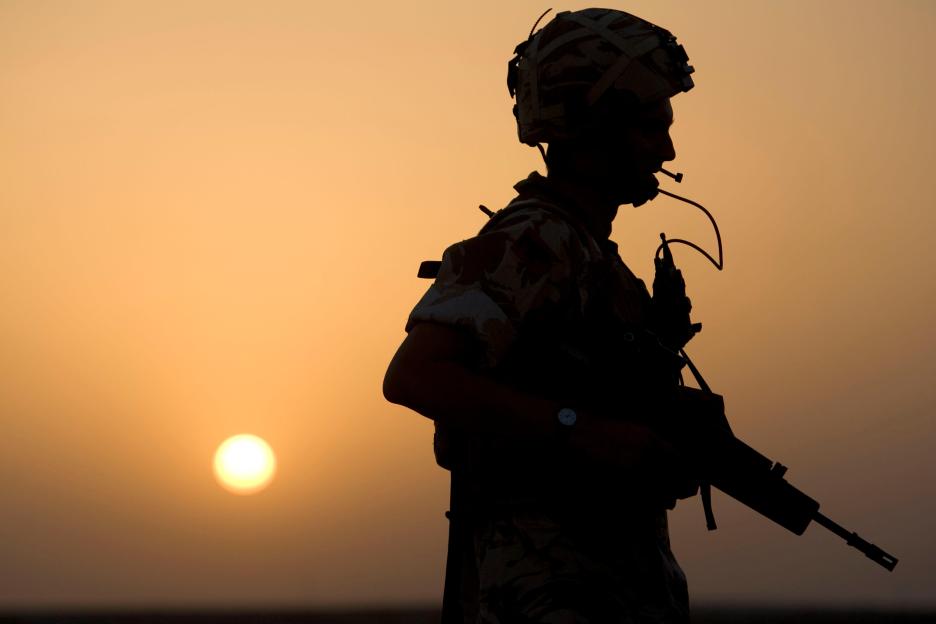 SAS and SBS forces are fighting for funding as the MoD faces a £28bn shortfallCredit: Alamy
 Historically the Special Forces are far better funded than the regular forcesCredit: WIKIPEDIA
The tip of the spear units want to stay fit for wars of the future, a source said.
They have put in a bid for more from the government’s defence investment plan to modernise their training facilities to reflect the era of nation-state conflicts.
A source said “their infrastructure and their training estate” needs urgently updating.
They said the amount the Special Forces need was “tiny” compared to the costs of running the rest of the regular forces.
A military source said: “They want to be capable of defeating people who are able to defend themselves with high tech equipment rather than some guards on the gate.”
Another said they wanted to be able to carry out a “full spectrum” of activities.
For decades their primary focus was counter terror operations, from storming the Iranian Embassy in 1980 to battling insurgents in Iraq, Afghanistan and .
But the has raised the prospect of state-on-state conflicts.
Historically the Special Forces are far better funded than the regular forces and have more opportunities for realistic training.
Kier Starmer has vowed ramp up defence 3.5 per cent of by 2035 – but he hasn’t set out a detailed pathway so defence chiefs don’t know what they will get or when.
The Navy claimed it could save £10bn by delaying its major warship programmes, the Times revealed this week.
But insiders warned the Army and Navy were facing “eyewatering cuts”.
An MOD spokesperson said: “We are working flat out to deliver the Defence Investment Plan which, aligned to the Strategic Defence Review, will set out how we’ll allocate investment over the next decade to deliver the best kit into the hands of our Armed Forces, ensuring they are ready to face future threats.”