
EATING crisps and popcorn could put teens at risk of stomach issues linked to bowel cancer, scientists say.
Those who ate lots of were more likely to develop disease and ulcerative colitis as adults.
Both are forms of (IBD), where parts of the gut and bowel become swollen, inflamed and develop ulcers.
Causing diarrhoea, cramping, pain and fatigue, they can slightly raise the risk of developing gut-related cancers, including bowel, anal and bile duct cancer.
Crohn’s and colitis both happen when the immune system starts mistakenly attacking the gut, which can be triggered by bugs, bacteria, stress or certain medications.
Now, research published in the journal Gut has linked the two conditions to diet habits – in particular to salted snacks, like crisps, popcorn and corn chips.
Meanwhile, a diet high in fruit and fish appeared to reduce the risk.
It comes as cases of IBD rise around the world.
Scientists from the University of Gothenburg Institute of Medicine in pinned this rise to the increasing adoption of Western diets high in fizzy drinks and red meat, and low in fruit, veg and fish.
It’s not the first study to suggest eating habits in early life – particularly diets low in fruit and high in sugar – shape the gut microbiome and immune system, potentially increasing the risk of IBD.
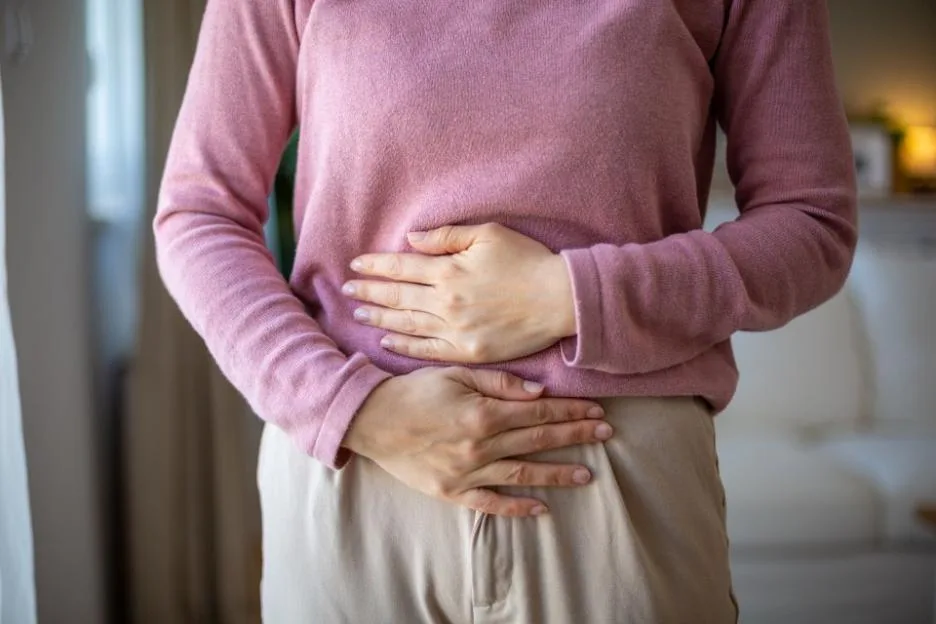
What is inflammatory bowel disease?
INFLAMMATORY bowel disease (IBD) is a long-term health condition that causes severe tummy pain and diarrhoea.
The two main types are Crohn’s disease and ulcerative colitis.
Symptoms can include:
- Diarrhoea that lasts longer than four weeks
- Tummy pain
- Blood or mucus (clear slime) in your poo
- Bleeding from your bottom
- Feeling tired all the time
- Losing weight without trying
There are a range of treatments available to help manage symptoms.
These can include steroids and other medications, as well as surgery to remove part of your bowel.
It is not clear what causes IBD, but you are more likely to be diagnosed if a close relative has it.
Research by Crohn’s & Colitis UK suggests one in every 233 people in the UK lives with ulcerative colitis, while Crohn’s disease affects one in 650.
In total, an estimated 500,000 people in the UK has IBD.
Source: NHS
To determine if teenage diets can play a similar role, Swedish scientists tracked nearly 112,000 people in , and Sweden from birth – 653 of whom were later diagnosed with Crohn’s and colitis.
“Because dietary habits are largely consolidated before adulthood, childhood and adolescence may be important for long-term disease development, particularly given the maturation of the immune system and gut microbiome during these years, both of which may have lasting influences on IBD risk,” researchers explained.
Participants completed diet questionnaires as children and teens, which asked about their intake of fruit, vegetables, dairy products, meat, fish, sugar-sweetened drinks and snacks.
Questions on how often they ate salty snacks, such as crisps, corn chips, and popcorn, were only asked during the teen years.
People who ate lots of fruit as kids were 34 per cent less likely to get Crohn’s but 54 per cent more likely to be diagnosed with ulcerative colitis.
In the teen period, a high fruit intake was linked to a 64 per cent lower risk of Crohn’s disease, but wasn’t associated with a higher or lower risk of ulcerative colitis.
Meanwhile, kids who ate the most fish had a 35 per cent lower risk of Crohn’s disease, compared to those who ate the least.
But no such association was seen for fish intake during adolescence.
Finally, a high intake of salty snacks during the teen years was linked to a 32 per cent heightened risk of any IBD.
Specifically, teens who snacked on lots of salty foods had a 51 per cent higher risk of ulcerative colitis, compared to those who ate the least.
Healthy snack swaps
WHETHER it’s fighting the after-school tummy rumbles or rounding off dinner with a tasty pud, the NHS says you need to watch out for sugar when it comes to snacks and puddings.
Some snacks also contain a lot more salt than that which you might realise.
Here are some swaps the health service recommends making – what to avoid and what to eat instead.
Swap from:
- Biscuits
- Chocolate
- Cake bars
- Chocolate pudding pots
- Doughnuts
- Muffins
- Crisps
- Salted peanuts
- Split-pot and higher-sugar yoghurts
Swap to:
- A slice of malt loaf or fruited teacake
- Fresh or tinned fruit (in juice, not syrup) or fruit salad
- A scotch pancake or crumpet
- Sugar-free jelly or lower-sugar custard
- Crackers topped with lower-fat cheese
- Bread or toast with lower-fat spread
- A bagel topped with sliced banana
- Plain popcorn or rice cakes
- Unsalted mixed nuts
- Chopped veg with lower-fat hummus
- Lower-sugar yoghurts or lower-sugar rice pudding
Read more on snack swaps that could boost health .
“While we observed associations between fruit, fish and salty snack intake and IBD risk, we did not identify associations with other food groups, such as meat and vegetables, that have been proposed to influence IBD risk,” the study authors added.
Researchers said their study doesn’t prove that eating crisps and salted popcorn caused IBD – only that the two are linked.
They also didn’t examine other factors that may have affected participants’ risk of disease, such as exercise or use of antibiotics.
Researchers also focused on individual foods in isolation, without checking whether the health results were actually caused by the person’s overall diet and daily habits.
But their findings align with those in adults and are plausible, they said.
For example, fruit is thought to be gut friendly and have anti-inflammatory properties because of its fibre content, which may explain why eating lots of it is linked to a lower risk of Crohn’s.
People with Crohn’s tend to have a particularly fragile balance of gut bugs and fibre helps build up variety back up.
But not all forms of fibre are equal, and further research is needed to determine which types are most beneficial when it comes to lowering the risk of IBD, researchers said.
Omega-3 fatty acids in fish may also have anti-inflammatory effects, which could lower the risk of IBD, they added.
They concluded: “If our findings are confirmed in other cohorts and by other study designs, promoting healthy dietary habits could be a potential strategy for IBD prevention.”