HAVE you been feeling a little puffier than usual?
Perhaps you’ve woken up with a swollen face or tummy, bags under your eyes, or your watch, rings or socks feel tighter.
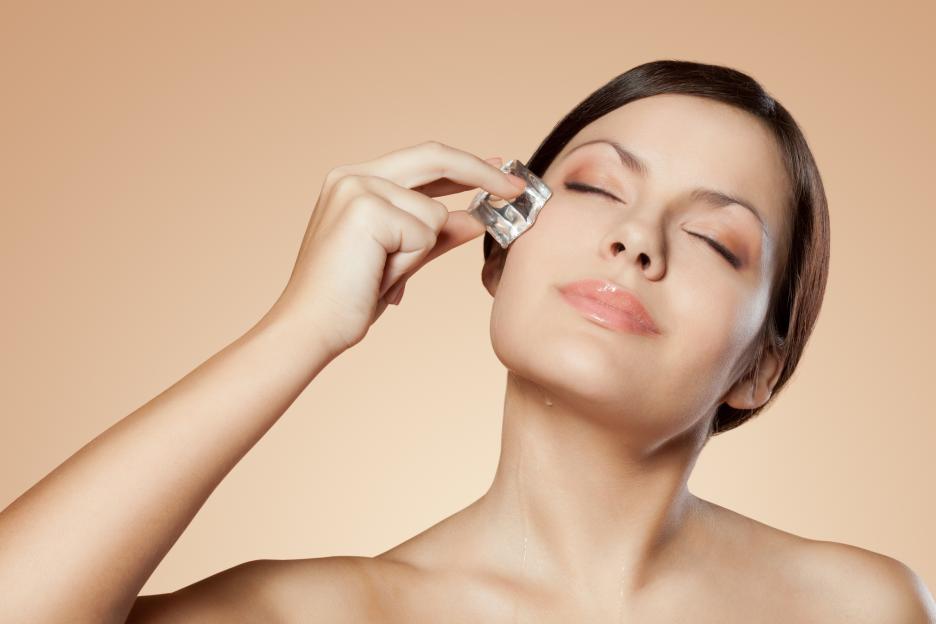 Your face could feel puffier due to the hot weather… or are you consuming too much salt? Credit: Getty
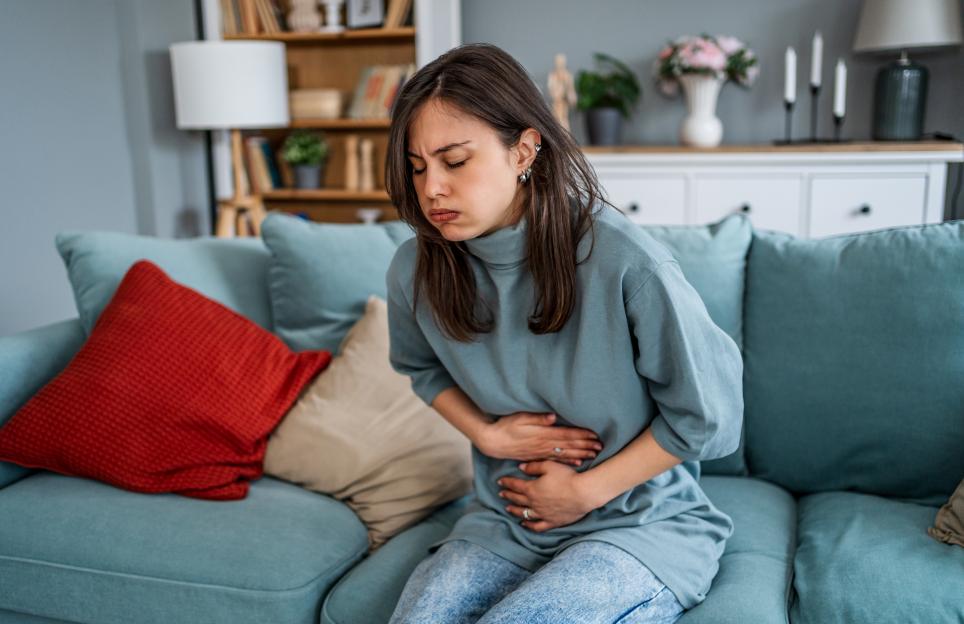 Puffiness and bloating can be harmless – but it could also be a sign of something serious if it’s fluid retention Credit: Getty
It could be the hot , which doctors say can relax blood vessels.
But another explanation is fluid retention.
Not to be confused with bloating, caused by excess gas in the gut, is when the body’s cells hold on to more water than usual.
Here are seven possible reasons you might feel like you’re swelling up and when it’s a sign of something serious.
PLUMBING PROBLEM
is a medical condition mostly affecting the arms and legs, caused by a fault in the body’s drainage system.
The lymphatic system is a network of vessels and glands that transport the body’s waste products and fluid, which aids the immune system.
Dr Babak Ashrafi, from Online Doctor, tells Sun on Sunday Health: “When this system isn’t working as it should, fluid can begin to build up within the body’s tissues.
“This can lead to swelling, also known as oedema.”
Lymphoedema is thought to affect more than 200,000 people in the UK and is often a side effect of cancer treatment, injury or moving too little.
PERIOD DRAMA
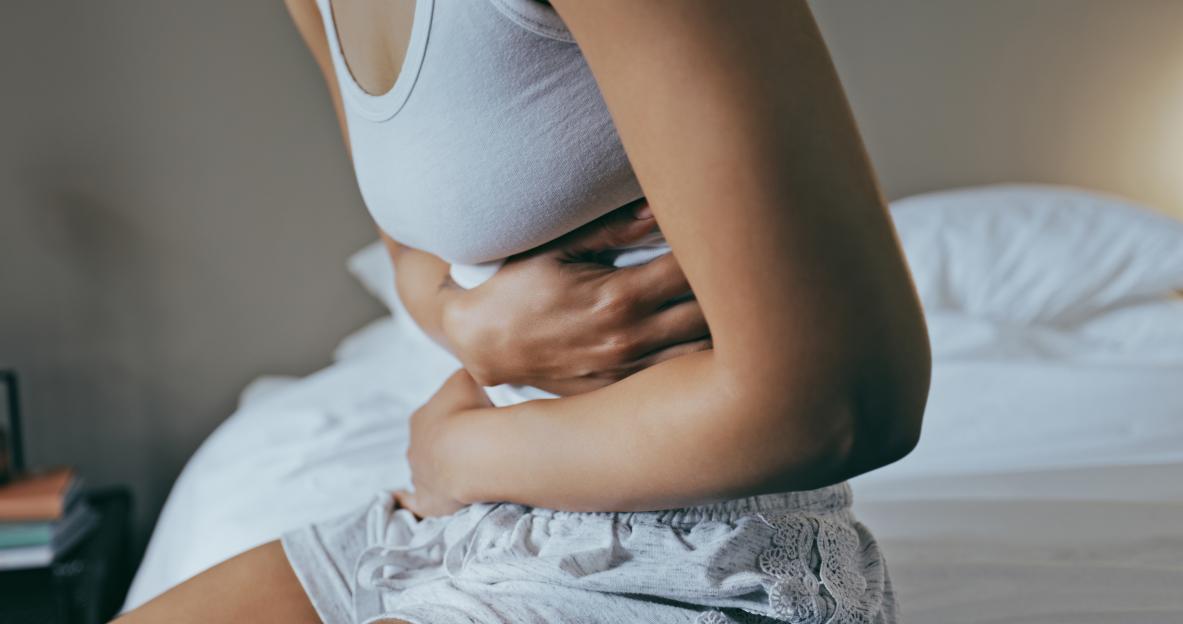 Many women feel bloated and puffier ahead of their period but potassium-rich foods can help Credit: Getty
FEMALE hormone fluctuations can cause fluid retention in the tummy, as well as hands, feet, face and breasts.
Dr Ashrafi says: “Many women report feeling bloated or puffier in the days leading up to their period.
“Changes in hormones such as oestrogen and progesterone can affect how the body regulates sodium and water, so it retains more fluid than usual.
“It’s common around menstruation, during pregnancy and throughout perimenopause and .”
One study in the American Journal of Human Biology found women can carry up to half a kilo (1lbs) of extra water in their cells during their period.
Foods rich in potassium and magnesium – bananas, potatoes, spinach, avocados and raisins – can help.
TAKEAWAY FACE
 Watch the amount of salt you’re consuming – as our bodies cannot function unless they have the correct balance of sodium and water Credit: Getty
HAVE you ever thought your face looked puffier the morning after a Chinese or fish and chips takeaway?
is to blame, as human bodies cannot function unless they have the correct balance of sodium, aka salt, and water in their cells.
When we eat salty foods like crisps, takeaways and ready meals, our bodies react by hanging on to more water to keep this balance right.
Adults should eat no more than 6g per day and many of us are blowing the budget.
Cutting back and drinking extra water can help rebalance fluid levels.
WORRY WATER
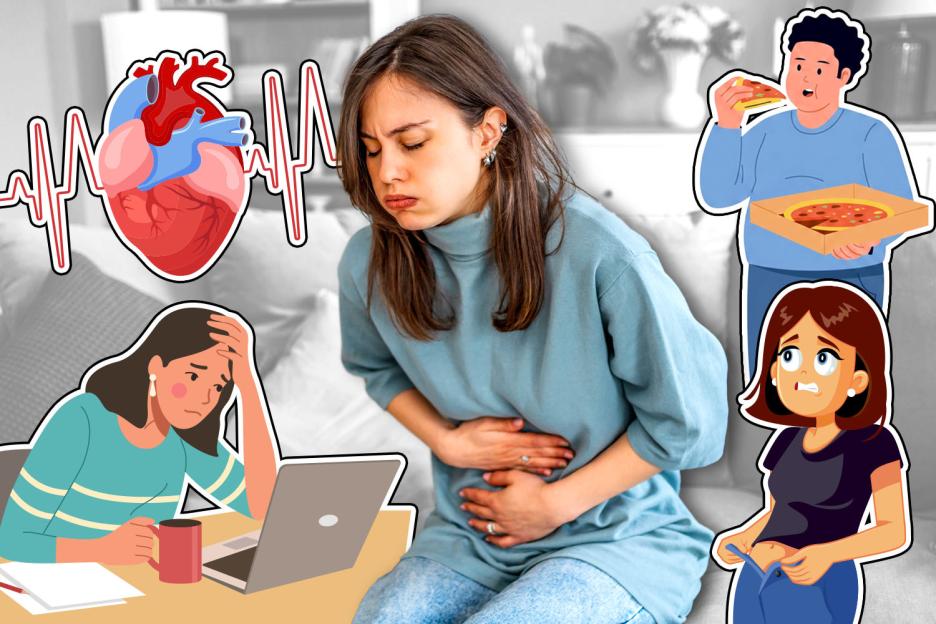
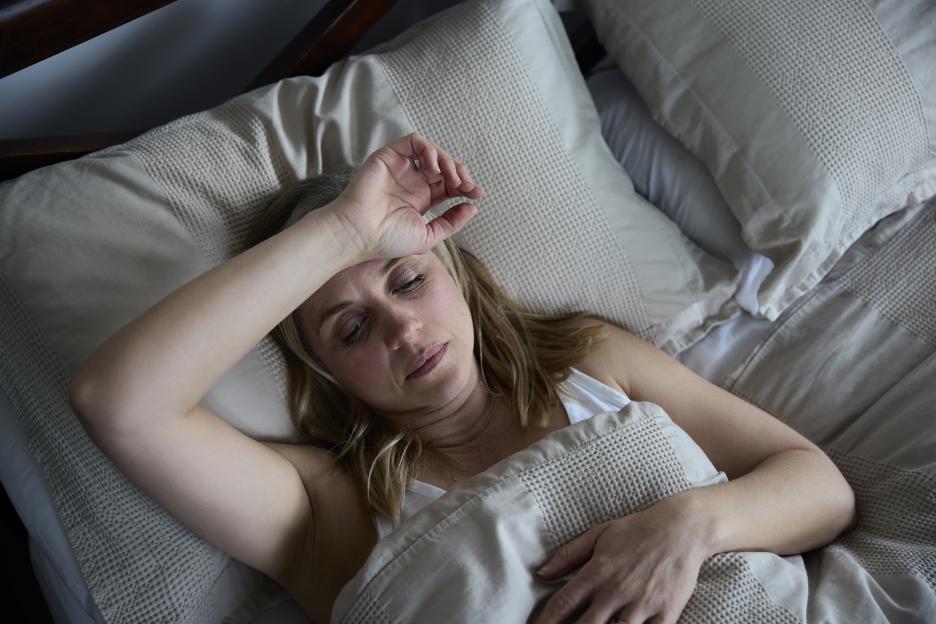 Stress can also indirectly worsen fluid retention by disrupting your sleep Credit: Getty
have knock-on physical health effects.
Dr Vijay Nayar, at Healthium Clinics, explains: “When [the stress hormone] cortisol levels remain elevated, they can affect how the body regulates sodium and water, increasing the likelihood of fluid being retained.
“Stress can also indirectly worsen fluid retention by disrupting your , increasing your cravings for salty foods, and reducing your physical activity.
“Stress can affect your digestion and gut function too, making you feel bloated and adding to that watery, heavy feeling.”
To chill out, try cutting screen time, doing some exercise or yoga, or getting a relaxing massage.
GRAVITY PULL
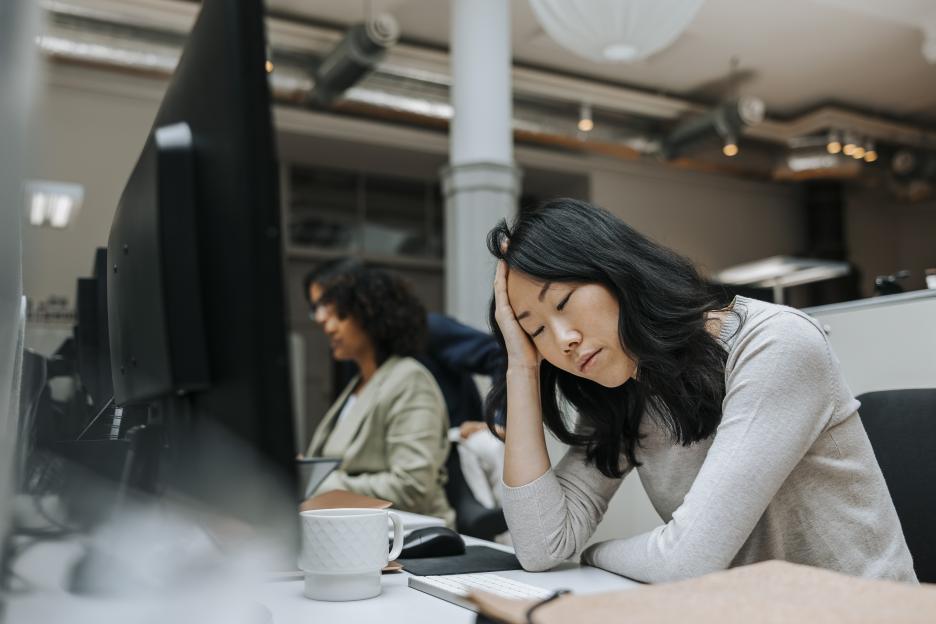 When we sit for prolonged periods, fluid can pool in the lower limbs Credit: Getty
MODERN lifestyles make it easy to spend all day on our bums – working behind a desk, travelling and watching TV.
Superdrug’s Dr Ashrafi says: “When we sit for prolonged periods, the muscles that normally help pump blood and fluid back towards the heart become less active, allowing fluid to pool in the lower limbs.
“This is why some people notice tighter shoes or more visible sock marks at the end of the day.”
Short walks or getting up to do 20 to 30 calf raises can help to drain the fluid away and get legs back to their normal size.
HIDDEN KILLER
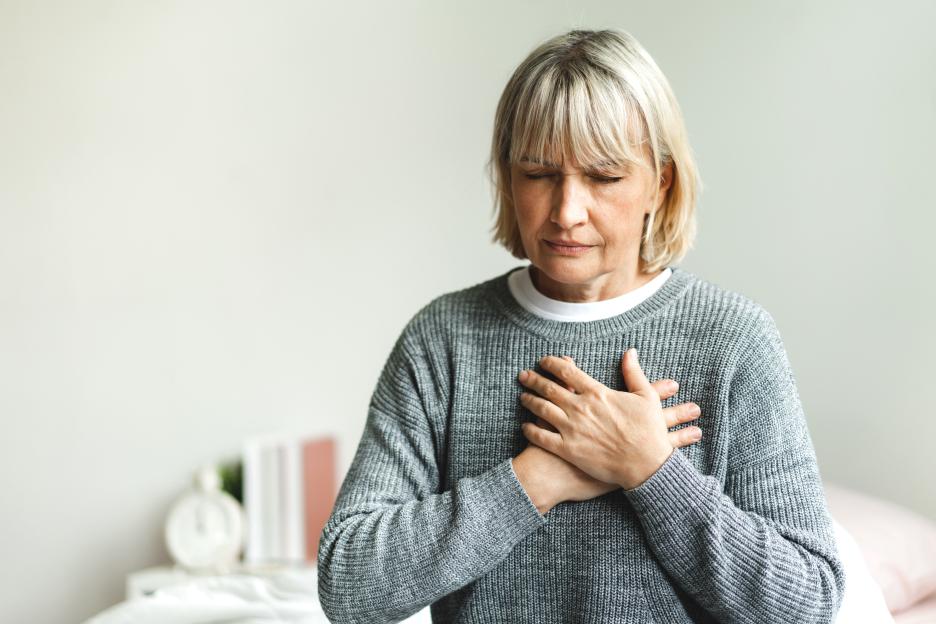 Heart-related swelling occurs when the heart is unable to pump blood around the body effectively Credit: Getty
THIS is less likely but potentially more serious.
Swelling related to heart failure or coronary , called peripheral or cardiac oedema, can affect various parts of the body.
Dr Ashrafi says: “Heart-related swelling occurs when the heart is unable to pump blood around the body effectively.
“The ankles, feet and lower legs are often the first areas where swelling becomes noticeable and in some cases it may also occur in the abdomen.”
You may also feel dizzy, tired or breathless.
Eight million people in the UK have heart disease – a leading cause of death.
If you are worried, see a GP urgently.
FILTER FAILURE
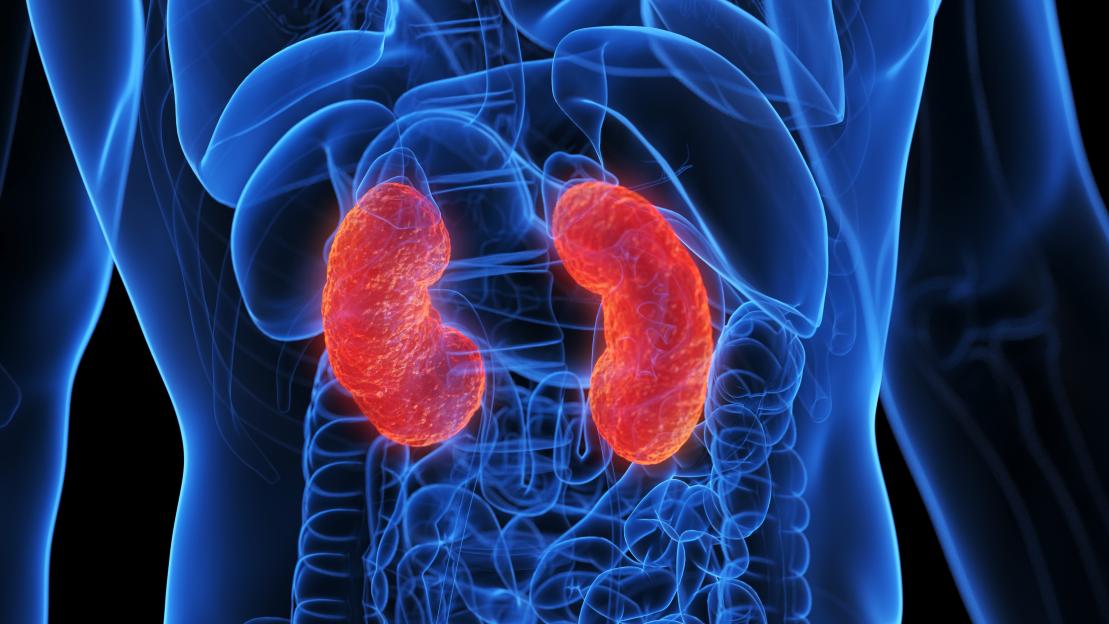 When your kidneys aren’t working as they should, your ability to remove excess fluid is reduced Credit: Getty
KIDNEYS are the cornerstone of the body’s waterworks and everything else breaks down if they cannot maintain the right sodium-to-water ratio.
When they don’t work as they should, your body’s ability to remove excess fluid is reduced, and puffiness is a potential side effect.
Rosanne Joseph-Anthony, founder at Healthium Clinics, says: “Kidney-related swelling often presents around the eyes, particularly upon waking.
“Swelling of the feet, ankles and legs is also common.
“You may also experience high blood pressure, reduced urine output, frothy urine or blood in your urine.
“Early identification is important, as persistent fluid retention can sometimes be the first sign of significant kidney dysfunction.”
If you’re experiencing these symptoms, visit your GP as soon as you can.
WHEN TO CALL 999
MANY causes of fluid retention are relatively harmless, but you might require urgent help if it is extreme, painful or there are other red-flag symptoms.
Rosanne Joseph-Anthony, founder at Healthium Clinics, says: “Breathlessness, chest pain, rapidly worsening swelling, painful swelling affecting one limb, neurological symptoms or significant oedema during pregnancy should always be investigated.”