
Stunning Images Reveal Snipers Using Air Rifles to Eliminate 600 Pigeons in London Tube Culls
SHOCKING pictures appear to show snipers aiming air rifles at train stations – with Transport for London workers accused of killing over 650 pigeons in a mass c...
 Written byEze Chidiebere Paul
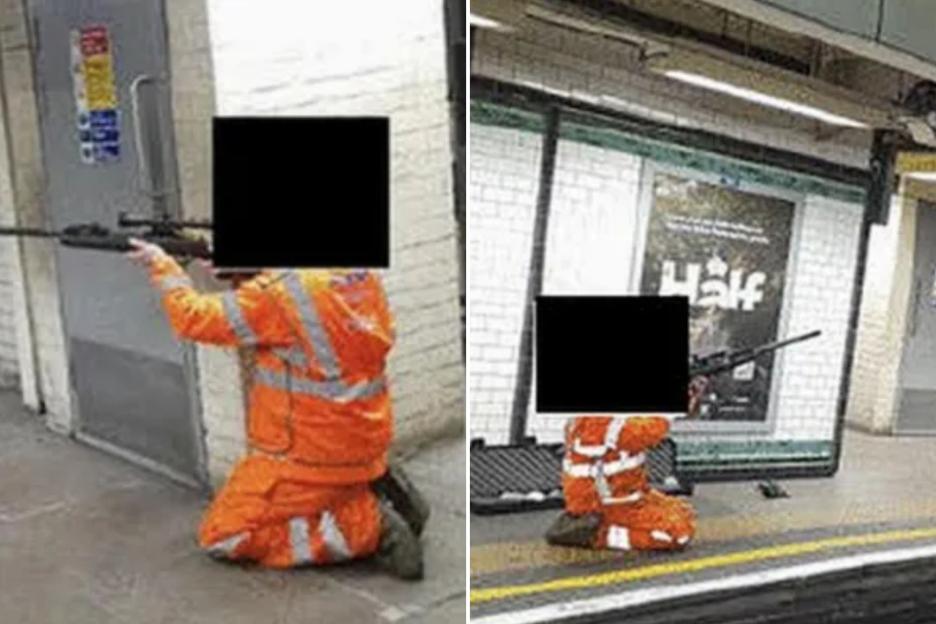
SHOCKING pictures appear to show snipers aiming air rifles at train stations – with Transport for London workers accused of killing over 650 pigeons in a mass cull.
TfL is said to have organised at least 123 shoots between March 2024 and March 2026 in an effort to rid stations of nesting on ledges or trapped behind netting, according to Manchester Pigeon Rehab (MPR).
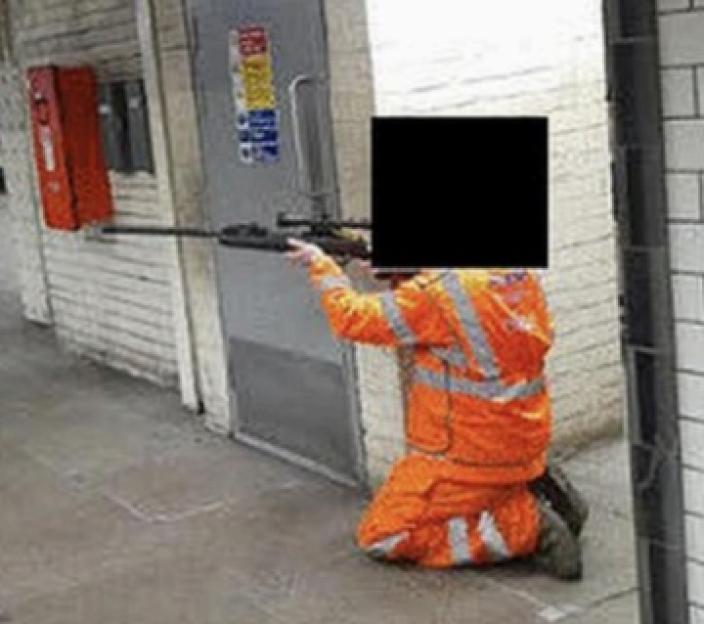 MPR claims over 600 pigeons were shot and killed across London Tube stations Credit: Supplied
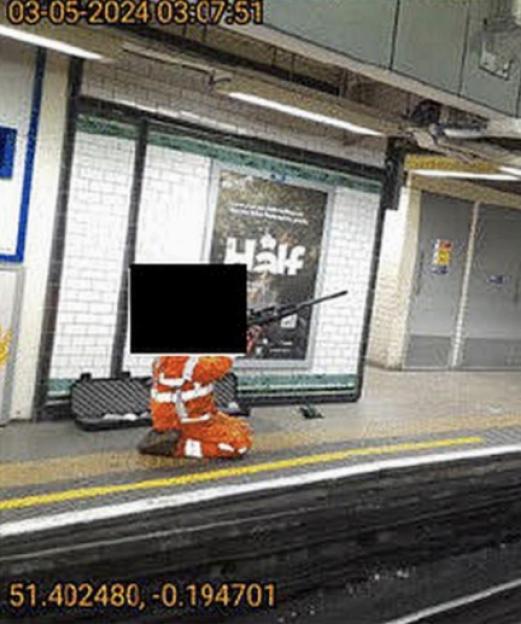 Over 600 pigeons were reportedly shot and killed across London Tube stations Credit: Supplied
TfL is adamant its approach is “focused on prevention” and that the “avoidance of animal cruelty is taken very seriously”.
However, “in a few small number of cases” – when such measures aren’t successful, the removal of pigeons and nests “is undertaken with consideration” and as a “last resort”.
Shocking pictures appear to show TfL workers clad in hi-vis aiming air rifles at birds and in one image, allegedly taken at Stanmore Station, a man appears to have his boot clamped on a bleeding pigeon.
Over the two years, MPR claims 655 pigeons were shot, 17 active nests were removed and at least seven chicks were killed or removed.
Some baby chicks and fledglings were left without parents or their necks were snapped using “humane bird dispatchers”, the group says.
The methods have been met with some backlash and campaigners have filed a report to the as they say the birds suffered unnecessarily.
The data was collated by MPR who claimed TfL did not explore non-lethal options or take reasonable steps to mitigate pigeon suffering.
They claim the culling took place after hours, typically between midnight and 5am.
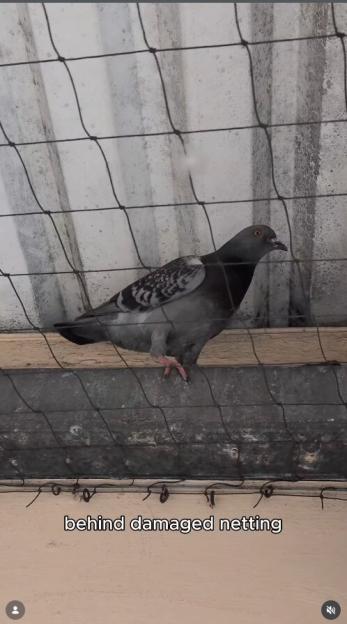 A pigeon behind netting Credit: Supplied
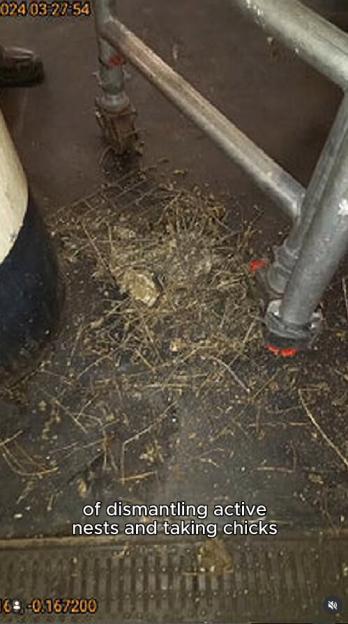 The group says nests were destroyed Credit: Supplied
The FoI requests found that the were contracted out to AGS one and were performed under a GL41 licence.
The licence reportedly has several conditions, including taking reasonable measures to minimise suffering.
Natural England advises “avoiding lethal control” during breeding season.
A spokesperson for Manchester Pigeon Rehab added: “Pigeons are intelligent and highly social animals.
“They are capable of forming long term bonds, share the responsibility of raising young, and can solve complex problems.
“Modern feral pigeons descended from birds that were once domesticated by humans where they carried our messages and fought in our wars.
“Pigeons are intelligent and highly social animals. They are capable of forming long term bonds, share the responsibility of raising young, and can solve complex problems.
“We believe should immediately end lethal control in favour of habitat modification, humane deterrents and other non-lethal management measures.
“In some circumstances this may also mean accepting that wildlife will continue to exist in shared urban spaces.”
A spokesperson for Transport for London said: “Our approach is focused on prevention, and the avoidance of animal cruelty is taken very seriously.
“We continue to invest in preventative measures as our primary approach, exhausting all appropriate non-lethal methods, and have significantly increased our mitigations on stations and in depots as part of this work.
“Unfortunately, in a few small number of cases, preventative measures are not always successful or effective, creating an unsafe environment.
“When this is the case, we work with our suppliers to ensure that the removal of pigeons, or their nests, is undertaken with consideration and only ever as a last resort when other deterrents have failed.
“Ultimately, we have a duty of care to customers, staff, contractors and other third parties to maintain a safe, clean environment for those using or working on our property.
“Pigeon waste carries risks of bacteria and insects, while nesting and waste material creates fire hazards and structural damage.”
Continue reading

Abia Govt denies imposing N50,000 tax on akara sellers
Abia State Government has dismissed allegations that it imposed N50,000 tax on women selling Akara in the streets of the state. The government also denied rep...

Peter Obi breaks silence on Gov Soludo’s borrowed funds allegation
The Nigeria Democratic Congress, NDC, presidential candidate, Peter Obi, says he did not owe any salaries, pensions, gratuities or any money when he was Anambra...

NSCDC arrests ex-AEDC staff, 12 others over N350m electricity cable vandalism
The Nigeria Security and Civil Defence Corps (NSCDC) has arrested a former staff member of the Abuja Electricity Distribution Company (AEDC) and 12 others over...

Ukraine ‘kills Hero of Russia general’ in strike as Trump says Putin & Zelensky agree to halt bombing energy targets
UKRAINE has reportedly killed a top Russian general as Trump claims Putin and Zelensky have agreed to an energy bombing halt. Lieutenant General Sergei Milchako...