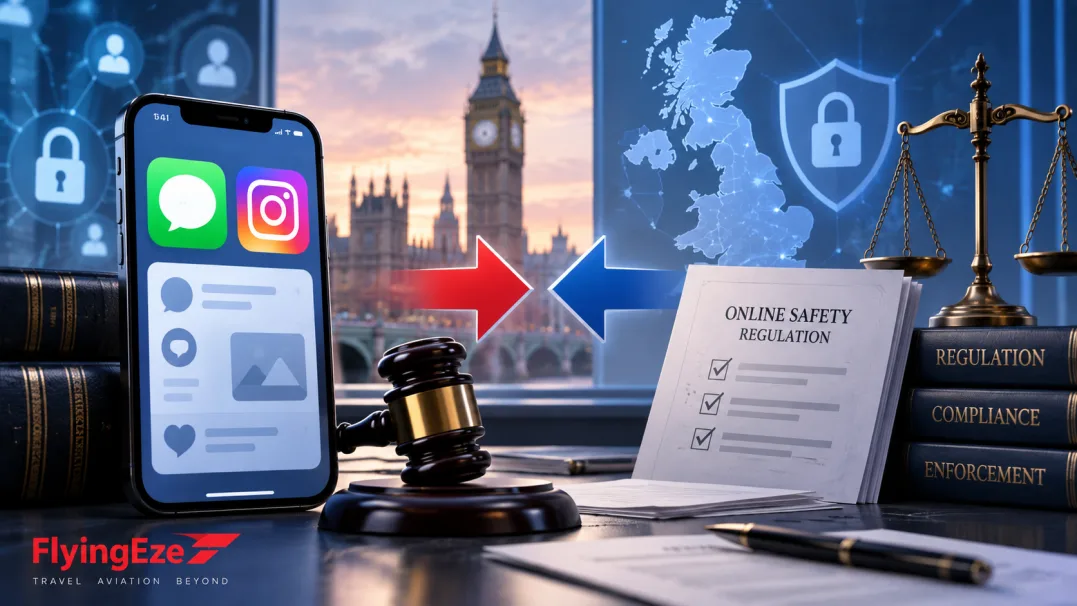
Meta has launched a fresh legal challenge against UK communications regulator Ofcom over the implementation of the Online Safety Act, adding to a growing series of disputes over how Britain's online-safety regime applies to major technology platforms.
The latest action concerns Ofcom's decision to designate WhatsApp and Instagram as Category 1 services, the tier carrying additional responsibilities for some of the UK's largest user-to-user platforms. Meta is also contesting aspects of the regulatory fee and penalty framework.
What Meta is challenging
Ofcom's published register places both Instagram and WhatsApp in Category 1. The regulator says categorised services face greater transparency and accountability requirements, additional user-choice obligations and duties relating to fraudulent advertising.
According to the Financial Times, Meta has appealed the Category 1 designations of WhatsApp and Instagram. The company has separately challenged elements of the way regulatory fees and potential penalties are calculated.
The disputes focus on Ofcom's interpretation and implementation of the legislation rather than amounting to a suspension of the Online Safety Act itself. The law and its existing duties continue to apply while individual regulatory decisions are contested.
Why Category 1 matters
Category 1 is reserved for large user-to-user services meeting thresholds set under the Act. Ofcom's current register includes Facebook, Instagram, WhatsApp and several other widely used platforms.
The additional regime is designed to increase transparency and accountability and give users greater control over their online experience. Ofcom is also consulting on further Category 1 duties involving areas such as terms of service, complaints, user empowerment, identity verification, journalistic content, content of democratic importance, freedom of expression and privacy assessments.
Separate fraudulent-advertising requirements apply to Category 1 and Category 2A services.
Ofcom says it will defend its decisions
Ofcom has said it will defend its categorisation decisions. Other online services have also mounted challenges over Category 1 designations, putting the regulator's implementation process under increased legal scrutiny.
The dispute arrives while the UK Parliament is examining the implementation and impact of the Online Safety Act. Ofcom, meanwhile, continues to publish updated codes, guidance and enforcement programmes under the legislation.
What happens next?
The legal challenges could influence the timetable and interpretation of some additional duties, but they do not by themselves remove the existing online-safety obligations that already apply to regulated services.
For users of WhatsApp and Instagram, there is no immediate indication that the appeal changes access to either service. The significance is primarily regulatory: the outcome may help determine exactly how Ofcom can classify major platforms and apply some of the Act's additional obligations.
Ofcom's roadmap shows that implementation remains a multi-stage process. The regulator published its categorisation register in 2026 and is consulting on additional duties, with further policy statements expected as the regime develops.
A wider test for UK technology regulation
The case is part of a broader contest over how Britain regulates global online platforms. Technology companies have questioned aspects of implementation and proportionality, while Ofcom and supporters of the regime argue that the Act creates necessary accountability for services used by millions of people.
The courts and tribunals will determine the specific legal questions raised by the challenges. Until then, the key distinction is that Meta is contesting regulatory decisions made under the Act rather than overturning the legislation as a whole.