
BY now, you’re almost certainly used to seeing people walking around with a bright green drink in their hand.
Where once it may have been a green juice – bursting with all those nutritious ingredients like kale, spinach and celery – it’s now much more likely to be a matcha.
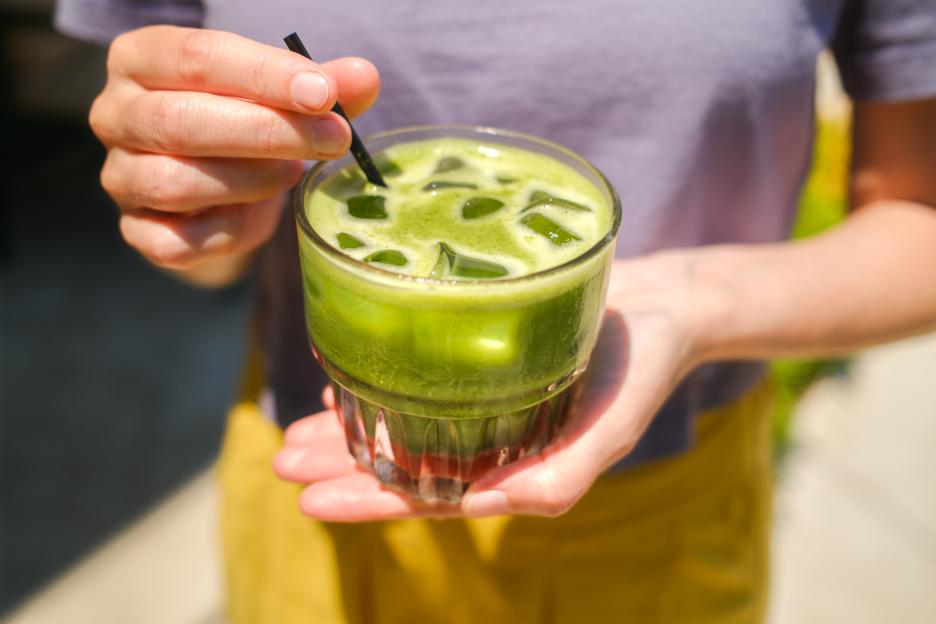 Matcha is a trendy drink loved by many and can be made with all sorts of added flavours Credit: Getty
 Kourtney Kardashian partnered with Cha Cha matcha in 2023 to create a matcha latte Credit: Instagram/ Kourtney Kardashian
has soared in popularity with different variations of the drinks sold in almost every shop on the high street, and specialist matcha bars cropping up in trendy neighbourhoods near you.
It’s so popular that even hopped on the trend earlier this year and added the drink to its menu for just £2.65.
From teenage girls to celebrities like and star , matcha seems to be THE drink of choice.
Molly-Mae is such a huge fan that she with Adidas.
The drink is popular for providing slow-energy release and many claim it can increase focus, reduce and lower .
But with the drink showing no sign of losing popularity, experts warned Sun Health that matcha could actually damage your health as concerns flood social media.
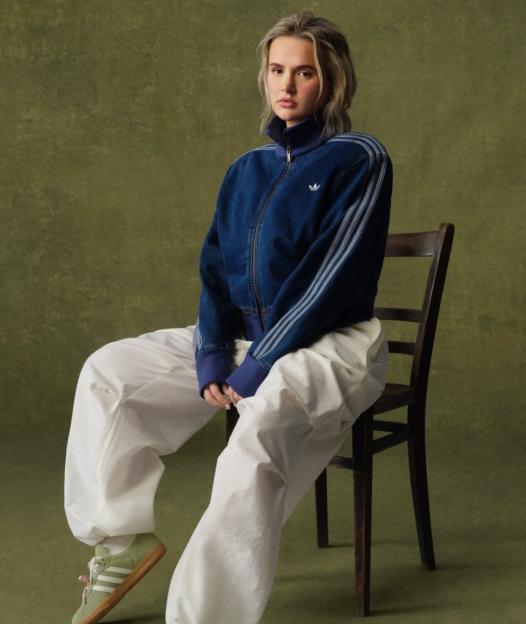 Molly-Mae is known to be a fan of matcha and she has even released a matcha-inspired range of trainers with Adidas Credit: instagram/mollymaehague
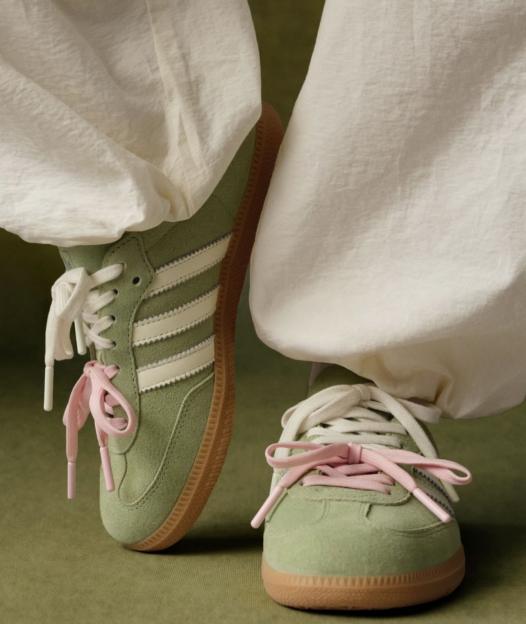 The range launched in April and saw both matcha and latte inspired colours feature Credit: instagram/mollymaehague
One particular concern is that the green drink could affect the body’s ability to absorb iron.
“For most healthy people with a balanced diet and good iron stores, enjoying matcha in moderation is unlikely to cause a problem,” says Nichola Ludlam-Raine , a specialist dietitian and nutritionist.
“However, people with iron deficiency or low iron stores, those with heavy menstrual periods, women, vegans and vegetarians, and anyone with conditions affecting iron absorption may want to be a little more mindful, as they rely more heavily on non-haem iron.”
Like other teas, matcha contains natural compounds called polyphenols, particularly catechins, which can trap iron in the gut and stop it being absorbed.
This specifically affects the absorption of non-haem iron, a type of dietary iron that’s found in plant foods, fortified grain, iron supplements and some animal products like eggs.
The drink, however, has much less impact on the absorption of haem iron which is found in meat, poultry and fish.
Matcha is a Japanese powder made from ground up tea leaves that are whisked with hot water to form the popular frothy drink.
It is packed full of antioxidants, which help to protect the body’s cells from damage, potentially slowing ageing and possibly even lowering your risk of .
But with warnings that matcha can reduce iron absorption, it is important to note that this could lead to iron deficiency.
If not managed correctly, iron deficiency can increase the risk of brain fog, breathlessness and , and in some cases even cause heart failure.
So, what exactly do the experts have to say about all this?
Ms Ludlam-Raine acknowledges that matcha can affect the body’s iron absorption, but she notes that this effect is “often overstated”.
 Maya Jama has a limited edition iced matcha with Joe and the JuiceCredit: Not known clear with Picture Desk
 Dua Lipa has also been seen drinking matcha Credit: Not known, clear with picture desk
“There’s no need to avoid matcha altogether,” she reassures matcha fanatics.
“Most people can safely enjoy one to two servings of matcha a day as part of a healthy diet.”
She adds: “If you’re at higher risk of , simply try to drink matcha between meals rather than alongside an iron-rich meal or iron supplement, ideally leaving around one to two hours either side.
“Pairing plant sources of iron with C-rich foods, such as berries, citrus fruits or peppers, can also help improve iron absorption.”
Gunter Kuhnle, food scientist at the University of Reading, similarly advises people to “avoid consuming matcha with iron-rich foods and leave some time between them”.
He also notes that people most at risk of developing low iron from matcha are those following a diet with “no or very little meat intake”.
So, for those with a balanced diet, what is a safe amount of matcha to consume every day?
Rob Hobson, a nutritionist and author of The Low Appetite Cookbook , says that “there isn’t a specific upper limit for matcha itself”.
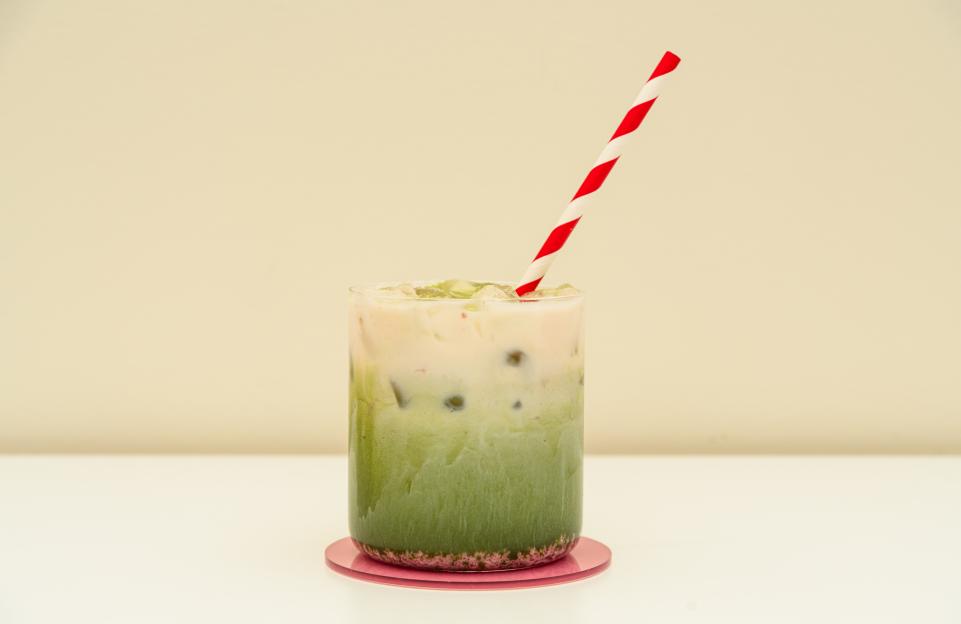 Matcha is a Japanese powder made from ground- up high-quality tea leaves Credit: Getty
 What do other experts say about matcha?
“Matcha tea is a finely ground tea product which delivers three times the bioactive polyphenol dose of regular green tea,” explains Dr Carrie Ruxton, from the Tea Advisory Panel.
“This means it’s a potent antioxidant, helping to protect body cells from damage and potentially slow biological ageing.
“Despite social media influencer posts on the topic, there are no human studies reporting that matcha tea inhibits iron absorption.
“Research on other types of tea suggests a small effect on iron absorption at meals but only the ‘non haem’ type of iron found in plant foods like spinach and lentils.
“So-called ‘haem’ iron, found in red meat, chicken and fish, is unaffected by tea drinking.”
If you want to enjoy matcha without worrying about your iron status, Dr Ruxton recommends that you try these tips:
- Include lean red meat in your diet 2-3 times a week. Liver is especially rich in iron
- Drink a glass of 100% orange juice with your main meal – it provides vitamin C which boosts non haem iron absorption
- If you already suffer from iron deficiency, drink matcha tea between meals where it won’t affect iron absorption
Dr Sabine Donnai, leading longevity expert and founder of Viavi, also reassures Brits that “there’s no need to give up matcha if you’re worried about matcha”.
“Instead, separate it from iron-rich meals by a couple of hours and include plenty of vitamin C-rich foods, such as berries, citrus fruit or peppers, alongside meals to help offset the reduction in iron absorption,” she says.
But he agrees with other experts that one to two servings a day is a “sensible amount” for most adults.
“As well as the catechins, matcha also contains caffeine, typically around 40-70mg per serving – the higher end of this is the same as a shot of espresso – depending on how it’s prepared,” Mr Hobson says.
“Keeping your total daily caffeine intake below the recommended maximum of 400mg per day for healthy adults is a sensible guide.
“Pregnant women should keep caffeine intake below 200mg per day,” he adds.
The key takeaway from this is that “the risk isn’t really matcha itself, it’s drinking it alongside meals” that could be an issue, Dr Sabine Donnai, leading longevity expert and founder of Viavi, says.
But that said, this isn’t something to worry about for most people.
Even those who are at risk of iron deficiency due to diet or certain health conditions can still drink matcha, they should just be aware of this expert advice.