MARRIED At First Sight UK has been permanently axed by Channel 4 following an independent review.
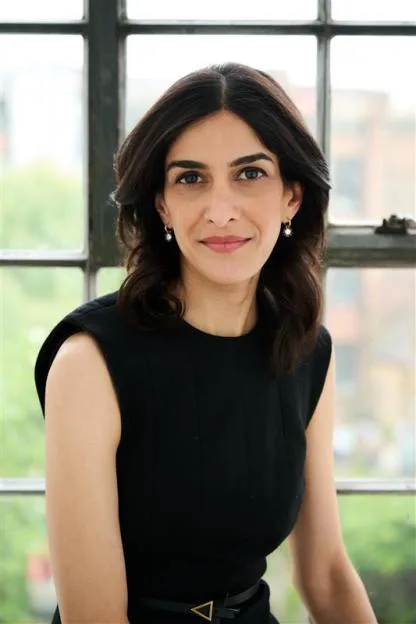
The external investigation was commissioned by C4’s Chief Executive Priya Dogra following in a Panorama special.
Two former brides by their on-screen husbands, while a third, Brad Skelly of performing a non-consensual sex act. All three men have denied the claims.
Though the review found that the show COULD continue, Dogra said she felt it had “run its course” and the channel would use the findings to “kickstart a new era of creative renewal”.
Dogra for the distress the women felt” but the review could not adjudicate on their claims.
The decision to drop the show means a that was filmed before the review took place will never be broadcast on the channel.
While the programme has been scrapped, the review found that Channel 4 and production company CPL did provide an adequate duty of care and did not breach Ofcom’s Broadcasting Code.
Dogra said: “MAFS UK has been enjoyed by millions of viewers, made possible by the willingness of its contributors to embrace the social experiment at the heart of the show and the many talented people involved in its production.
“Whilst the review praised the welfare protocols in place and made no findings that Channel 4 breached the Ofcom Code or that the format is inherently unsafe, I have to consider when is the right time for Channel 4 to move on from a format.
“The recommendations are eminently sensible and feasible, but considering their wholesale implementation provoked fundamental questions about the editorial proposition of a show that, I believe, has now run its course over ten years.”
Lawyers pored over 20 hours of aired and unaired footage from series three to six, analysed 31,172 documents and carried out 15 interviews with show stars.
It was found that a number of ‘isolated incidents’ didn’t follow the welfare framework fully and that both C4 and CPL could have conducted a more structured long-term review of contributor welfare.
A second part to the review, carried out by ex BBC One Controller Lorraine Heggessey, concluded that the show could run in the future with format adjustments in place.
However, it also stated that the show’s focus on intimacy could put pressure on contributors to be intimate with their partners.
Among the recommendations were the removal of Intimacy Week and Partner Swap Week, putting partners in separate bedrooms on their wedding night and during their honeymoon, reducing the number of couples and amount of episodes, changing the format that so that once one half of the couple decides to leave the experiment is over for the pairing, and allowing contributors greater contact with their real lives while filming.
Other suggestions included the implementation of CCTV in all areas of joint apartments – which would be monitored by a welfare team 24/7, and the addition of safe words and panic buttons.
Dogra thanked those who carried out the reviews and said she welcomed the findings and recommendations.