For African entrepreneurs seeking international partnerships, new customers, investors or technology suppliers, Los Angeles offers access to one of America's most diverse commercial markets. But arriving in California is only the beginning. A successful trip depends on meeting the right people, understanding entry requirements, managing costs and turning conversations into measurable business opportunities.
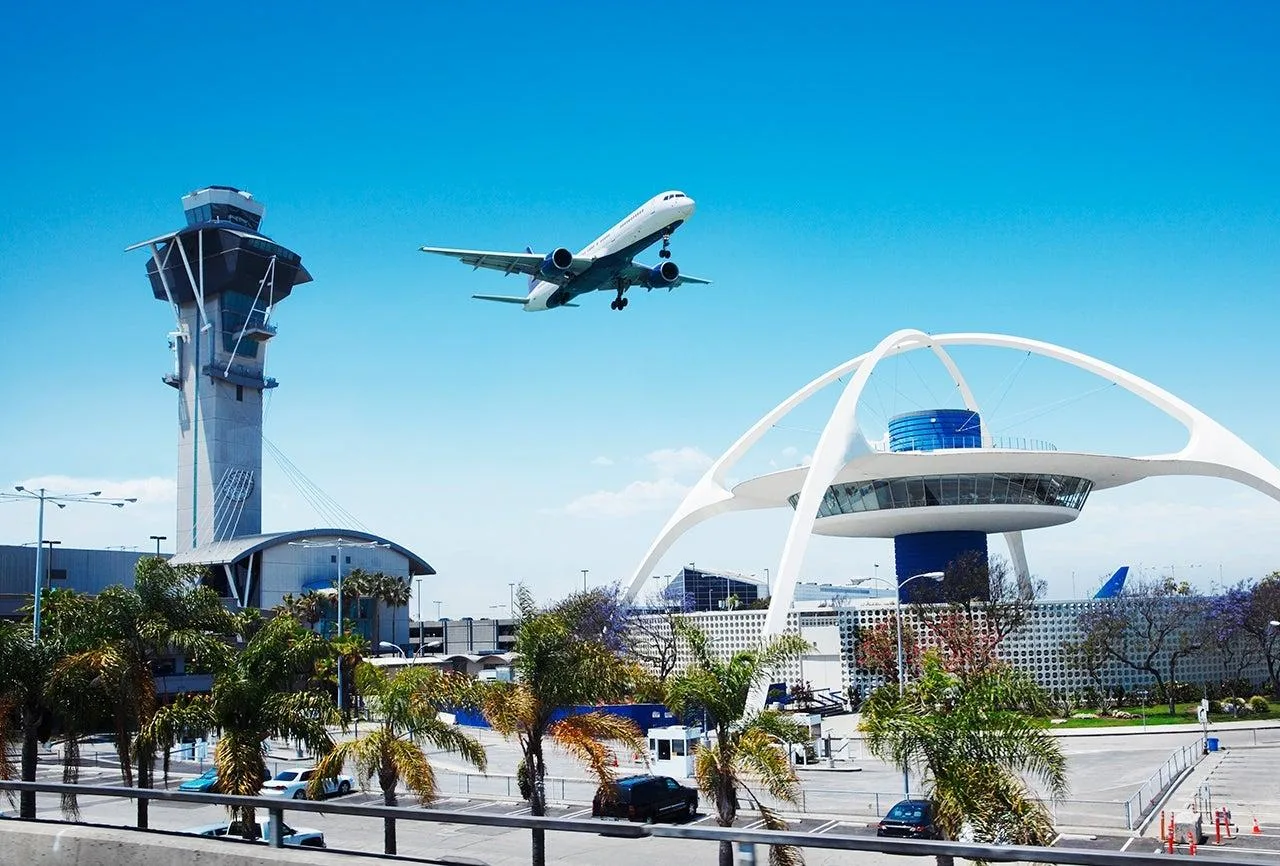
Los Angeles International Airport (LAX) is a major gateway to Southern California. Whether travelling from Lagos, Accra, Nairobi, Johannesburg or another African city, entrepreneurs can use LAX as their arrival point for meetings, industry events and market exploration.
However, planning a trip in 2026 requires particular care because changes to United States visa policies affect nationals of several African countries. This guide explains how to approach a Los Angeles business trip strategically, from verifying entry eligibility and arranging ground transport to managing a productive itinerary and following up with prospective partners.
1. Check US business-travel eligibility before booking
The first step is not purchasing an airline ticket. It is confirming whether you can legally enter the United States for your intended activities.
Understand the B-1 business visitor category
The US Department of State identifies the B-1 category as appropriate for certain temporary business activities, including business meetings, conferences, consultations, negotiating contracts and some commercial transactions.
However, a business visitor visa generally does not authorise employment or the performance of ordinary paid work in the United States. Travellers intending to undertake other activities may need a different immigration classification. See the Department of State's B-1 business visa guidance .
Important US visa restrictions affecting African nationals in 2026
Under Presidential Proclamation 10998, effective 1 January 2026, the United States introduced full or partial entry and visa-issuance restrictions affecting nationals of 39 countries, as well as certain travel-document holders. The partial suspension includes B-1/B-2 visa issuance for nationals of several African countries, including Nigeria, Angola, Benin, Côte d’Ivoire, Senegal, Tanzania and Zambia. Separate, broader suspensions affect nationals of other African countries.
The proclamation provides limited exceptions. Crucially, according to the Department of State, foreign nationals who held valid visas on its effective date are not subject to the proclamation on that basis, and those visas were not revoked under it. An existing visa, however, is not a guarantee of admission.
Another change took effect on 1 August 2026, when routine visa services at several US diplomatic posts in Africa were reassigned to regional processing hubs. Affected applicants must confirm the correct processing location before scheduling an interview or paying fees.
Before committing money to travel:
- Check any restrictions applicable to your passport nationality and circumstances.
- Confirm whether an existing visa is valid and whether an exception applies.
- Identify the correct US embassy or consulate processing location.
- Review appointment availability and required documents.
- Seek qualified immigration advice if your eligibility remains uncertain.
Consult the official 2026 visa-restriction notice and the African visa-processing update before making non-refundable bookings.
2. Set clear commercial objectives
International travel is expensive. Without defined objectives, entrepreneurs risk returning home with photographs, business cards and very little commercial progress. Before arranging meetings, identify the primary purpose of the trip.
A Nigerian technology founder might seek a US distribution partner, while a Kenyan fashion entrepreneur could be exploring retail channels or sourcing arrangements. Translate the purpose into measurable objectives. A five-day visit might aim to secure three qualified partnership discussions, attend one relevant industry event and agree on two follow-up actions.
Research prospective contacts before departure. Review their companies, business models, decision-makers and relevance to your offering. Send meeting requests early and explain what you do and why the discussion could benefit both sides. Prepare a working demonstration, product catalogue, company profile, investment presentation or commercial proposal.
3. Choose flights and connections carefully
Many African travellers need connecting flights to reach Los Angeles, depending on departure city, airline and travel date. A lower advertised fare may include lengthy layovers, airport changes, additional baggage charges or arrival times that disrupt meetings.
- Connection reliability: Allow enough time for transfers and formalities.
- Transit documentation: Check whether your nationality requires a transit visa for each connection.
- Baggage: Confirm whether checked luggage transfers automatically.
- Arrival time: Leave space to recover from a long journey.
- Flexibility: Review rebooking, cancellation and missed-connection rules.
Where practical, a protected connecting itinerary may reduce complications associated with separately purchased tickets. Avoid scheduling your most important negotiation immediately after arrival.
4. Understand Los Angeles International Airport
LAX is operated by Los Angeles World Airports and serves domestic and international carriers across multiple terminals. The Tom Bradley International Terminal, also known as Terminal B, handles numerous international services, but airlines may check in or operate elsewhere.
Airport construction can change terminal arrangements. As of October 2026, Terminal 5 is closed for construction. Verify your airline's current location using the official LAX terminal directory .
Is the LAX SkyLink train operating?
No. LAX's Automated People Mover, branded SkyLink, was not open to travellers as of 27 October 2026. It remains in testing and certification, with a projected launch in 2027 that could change. Travellers should follow existing shuttle and transport signage rather than expecting an airport train. The airport maintains a live SkyLink information page .
5. Choose reliable transportation from LAX
Los Angeles covers a large metropolitan area, and road congestion can make journeys unpredictable. Your airport transfer should reflect the location of your hotel or first appointment, the amount of luggage you carry and your schedule.
| Option | Best for | What to consider |
|---|---|---|
| FlyAway Bus | Travellers going towards Union Station or Van Nuys | Scheduled airport express service; allow for traffic. |
| Metro and airport shuttle | Budget-conscious travellers with manageable luggage | Free shuttle links terminals to the LAX/Metro Transit Center. |
| Taxi or rideshare | Direct transport to a hotel or meeting | Observe designated pickup procedures. |
| Prearranged private transfer | Visitors requiring confirmed pickup arrangements | Agree the fare, meeting point and operator in advance. |
| Rental car | Multiple trips across the wider region | Factor in parking, insurance and traffic. |
The FlyAway bus connects LAX with Union Station and Van Nuys. Arriving passengers board at designated blue FlyAway signs on the lower arrivals level.
LA Metro connects the LAX/Metro Transit Center to its C and K rail lines, with a free shuttle between the centre and the terminals. Standard app-based pickups use the LAX-it area near Terminal 1, subject to current airport arrangements.
Always check the official airport transportation guide shortly before arrival, because construction and pickup locations can change.
6. Book accommodation around your meetings
An airport hotel is convenient for an overnight connection, but it may be unsuitable if most meetings take place in another part of Los Angeles. Downtown accommodation may work for city-centre appointments, while a west-side location could reduce commuting for meetings nearer the coast.
Plot all confirmed meeting addresses on a map and estimate journeys during the actual appointment hours. Compare hotels by total price, location, internet reliability, workspace, cancellation policy and safety. A slightly more expensive hotel near several meetings may cost less overall than cheaper accommodation requiring repeated long journeys.
7. Prepare a realistic business-travel budget
Airfare and hotel accommodation are only part of the total expense. Keep unavoidable travel costs separate from optional commercial spending.
| Budget category | Items to account for |
|---|---|
| Entry documentation | Applicable visa, passport and document expenses |
| Flights | Tickets, checked bags and connection-related charges |
| Accommodation | Room rate, tax and additional hotel fees |
| Transport | Airport transfer, local journeys, parking and fuel |
| Business activities | Conference fees, demonstrations and meeting costs |
| Daily expenses | Meals, mobile data, laundry and incidentals |
| Contingency | Unexpected delays and necessary changes |
Confirm that payment cards work internationally and understand foreign-exchange charges. For entrepreneurs paying in naira or other African currencies, movements against the US dollar can materially alter the final cost. Document the exchange rate assumed in your budget, then update it when payments are made.
One useful performance measure is cost per qualified business opportunity, not simply how little the trip costs. An inexpensive journey that produces no credible leads may still represent poor value.
8. Prepare for US immigration and customs
On an international arrival, travellers complete applicable immigration and customs procedures. Keep your accommodation information, return or onward itinerary, invitations and supporting business documents accessible, and explain your proposed activities and expected duration honestly.
A visa does not guarantee entry. US Customs and Border Protection determines admission at the port of entry. Where applicable, review your electronic Form I-94 to confirm the authorised period of stay.
Carrying business samples
Entrepreneurs may travel with product samples, promotional materials or merchandise, but commercial goods can be subject to declarations and additional rules. Food and agricultural products may face special restrictions. Travellers entering or leaving the US with more than US$10,000 in covered currency or monetary instruments must make the required declaration. Refer to CBP customs guidance before packing samples.
9. Protect your health, schedule and business information
Los Angeles is generally eight or nine hours behind Nigeria, depending on daylight saving time. Jet lag can interfere with meetings and communications with African colleagues. Build recovery time into the itinerary, stay hydrated and avoid crowding the first day with important negotiations.
Back up presentations, contact lists and important documents securely. Use sensible protections for company information when connecting through shared networks. Check roaming charges or arrange suitable mobile connectivity.
Also delegate responsibilities at home: appoint someone to approve urgent expenses, respond to customers and manage operational decisions while you travel.
10. Turn meetings into commercial opportunities
The value of a trip is not the number of meetings completed but the quality of progress achieved. Los Angeles has organisations that can help international entrepreneurs research local market opportunities.
World Trade Center Los Angeles supports international business engagement and investment connections. The City of Los Angeles also maintains a foreign business support resource for companies exploring the local market. These are useful starting points, not guarantees of introductions or deals.
Ask questions that uncover commercial realities
- What customer problem could our offering solve in this market?
- Which product standards, licences or certifications apply?
- Would the proposed arrangement involve distribution, procurement, licensing or investment?
- What order values, prices or performance commitments are realistic?
- Who makes the final decision, and what evidence do they require?
For physical products, investigate customs, shipping, warehousing, returns and landed costs. For technology businesses, discuss security, support, contracting, service delivery and operations across time zones. Seek independent legal or commercial review before signing unfamiliar agreements.
11. A practical four-day Los Angeles business itinerary
| Day | Suggested activity | Intended outcome |
|---|---|---|
| 1 | Arrive at LAX, complete entry formalities, transfer to hotel, rest and reconfirm meetings. | Be ready for scheduled appointments. |
| 2 | Hold priority supplier, investor or partnership discussions. | Identify qualified business prospects. |
| 3 | Attend a relevant industry event, demonstrate products and meet potential contacts. | Test market interest and develop relationships. |
| 4 | Conduct follow-ups, document commitments and prepare for departure. | Turn conversations into accountable next steps. |
This schedule is illustrative. Add time for travel recovery, lengthy journeys, supplier inspections or conference programmes when needed.
12. Follow up after returning to Africa
The trip does not end when you leave Los Angeles. After each meeting, send a concise message summarising the discussion, agreed responsibilities and next steps. If someone requests a proposal, pricing or technical specifications, agree a realistic deadline.
After returning, review the original objectives. Record decision-makers met, qualified leads, outstanding proposals, commercial risks, total expenditure and opportunities worth pursuing. Use a customer relationship management system or structured contact register to assign owners and track deadlines.
This discipline converts a temporary international visit into a continuing business-development programme.
Frequently asked questions
What is the main international airport in Los Angeles?
Los Angeles International Airport, commonly called LAX, is a major international gateway serving Southern California. Its official website is flylax.com .
Can Nigerian entrepreneurs travel to Los Angeles for business in 2026?
It depends on their personal circumstances, immigration status, valid visas and applicable exceptions. As of October 2026, nationality-based US restrictions affect issuance of new B-1/B-2 visitor visas to Nigerian nationals, subject to limited exceptions. Check official advice before purchasing tickets.
Can a visitor visa be used for business meetings?
Qualifying temporary meetings and contract negotiations may be permitted in B-1 status or under an appropriate combined B-1/B-2 classification. Ordinary employment is generally not permitted in these visitor categories.
How early should I arrive at LAX for an international departure?
Three hours is a useful general planning allowance, but follow the airline's own check-in guidance and allow extra time for construction, baggage or special documentation requirements.
Is public transport available from Los Angeles International Airport?
Yes. FlyAway buses and LA Metro are available. For Metro rail connections, travellers use a free shuttle between the airport terminals and the LAX/Metro Transit Center.
Conclusion
For African entrepreneurs, a business trip through Los Angeles International Airport can create access to potential customers, business partners and market knowledge. Success begins well before departure: verify travel eligibility, define clear commercial goals, arrange reliable transport and accommodation, prepare for every meeting and follow up consistently.
The greatest return from an international business trip is not the distance travelled. It is the practical progress made towards building a stronger and more competitive business.
Editor's note: US entry policies, visa-processing arrangements, airport terminal operations and transport services can change. This guide reflects information checked on 27 October 2026; travellers should recheck official sources before departure.