Nearly nine in 10 workers have gone into work while unwell – because they feel pressure to ‘soldier on’ or fear they are not ‘ill enough’.
A study of 2,000 workers found a quarter believe it is not acceptable to take time off for a , with 58 per cent feeling pressure to work through it.
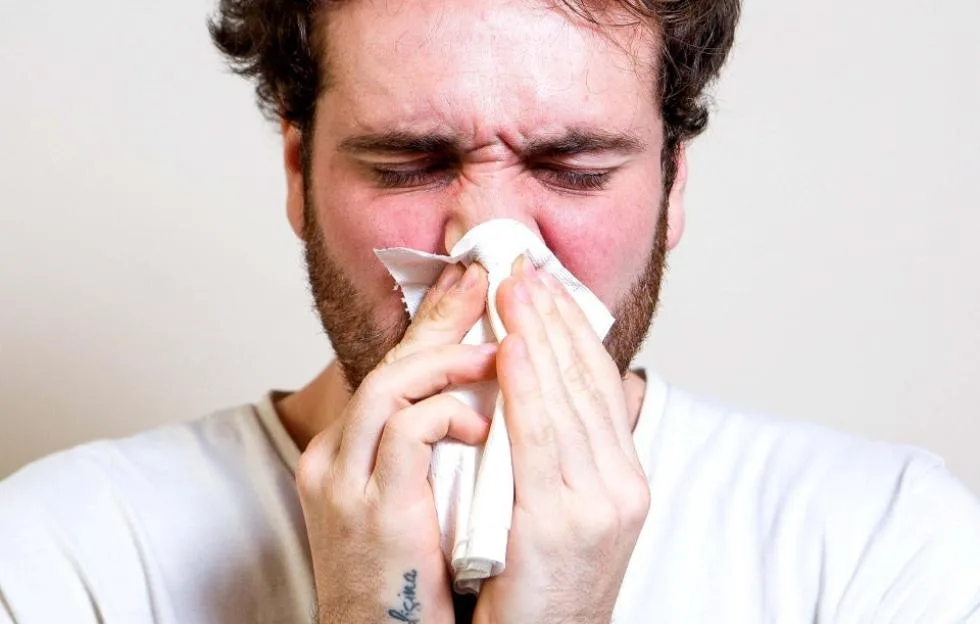
More than one in 10 (13 per cent) even feel guilty when taking sick time, with nine per cent worrying about how it will be perceived.
It also emerged that while 74 per cent believe staying home is the most responsible thing to do for themselves and others, just 10 per cent always take sick leave when unwell.
The study, commissioned by Olbas , also found that Gen Z are more likely to take a sick day than any other generation – but experts claim they are doing the right thing.
More than one in five (21 per cent) of those aged 18-29 tend to take a day off sick when they are unwell, along with 17 per cent of Millennials.
But this drops to just 11 per cent of Gen X, and just seven per cent of Boomers.
Following the findings, the brand also created a quiz allowing users to find out their recovery generation based on their wellbeing approach.
Dr Roger Henderson, and spokesperson for the Olbas, who is collaborating on its Recovery Report, which explores how Britain recovers from seasonal illness, said: “The research points towards a ‘winter recovery gap’.
“The issue isn’t simply whether people know they should rest, it’s about feeling able to give yourself permission to do so.
“‘Powering through’ work when we feel unwell can become deeply ingrained, so we convince ourselves that because a medicine has made us feel better, or because we can get through the working day, we must be well enough to carry on.
“However, symptom relief and recovery aren’t necessarily the same thing.”
The research also found 25 per cent of all workers polled would rather keep working unless they are seriously unwell, with 12 per cent often dismissing symptoms as just a cold.
Yet 72 per cent admitted they are concerned on to colleagues if they carry on working.
It also emerged 70 per cent feel times are changing, believing older generations were under more pressure to work through illnesses than they are today.
And while 73 per cent of Gen Z said it is acceptable to take sick leave for cold or flu-like symptoms in their workplace, this drops to just 53 per cent of Gen X.
The research, carried out via OnePoll, found 22 per cent said knowing how best to manage their symptoms would make them more confident about when to rest and recover.
While 21 per cent would like to know which medicines or remedies could help relieve their symptoms.
Currently, 62 per cent said drinking plenty of fluids helps them to recover, while 60 per cent rely on getting enough and 56 per cent make sure they get enough rest.
Almost half (47 per cent) take over-the-counter cold or flu remedies, while 30 per cent said using a decongestant when congested.
Dr Roger Henderson added: “Rest, sleep and hydration are some of the best things people can do to help themselves recover.
“It’s important to listen to how you’re actually feeling rather than using symptom relief as a signal that you’re completely recovered.
“Over-the-counter medicines can have an important role in easing symptoms, but they should always be used as directed according to the label, and a pharmacist can help you choose an appropriate treatment if you’re unsure what’s best for you.
“Simple measures can also help with individual symptoms – for example, warm drinks can soothe a sore throat, natural decongestants can help to ease a blocked nose, and keeping hydrated can help when you’re dealing with respiratory symptoms.
“There’s also some evidence for using the herbal ingredient Pelargonium, as some studies suggest that Pelargonium extract may reduce the severity of an acute cough and may help symptoms resolve somewhat sooner.
“Ultimately though, recovery isn’t about doing absolutely nothing whenever you have a sniffle, but is all about recognising when your body needs you to slow down.”