A POPULAR snack has been removed from UK shelves over a potential hazard.
has issued an for the , revealing that there is a “possible presence of glass” in a select batch.
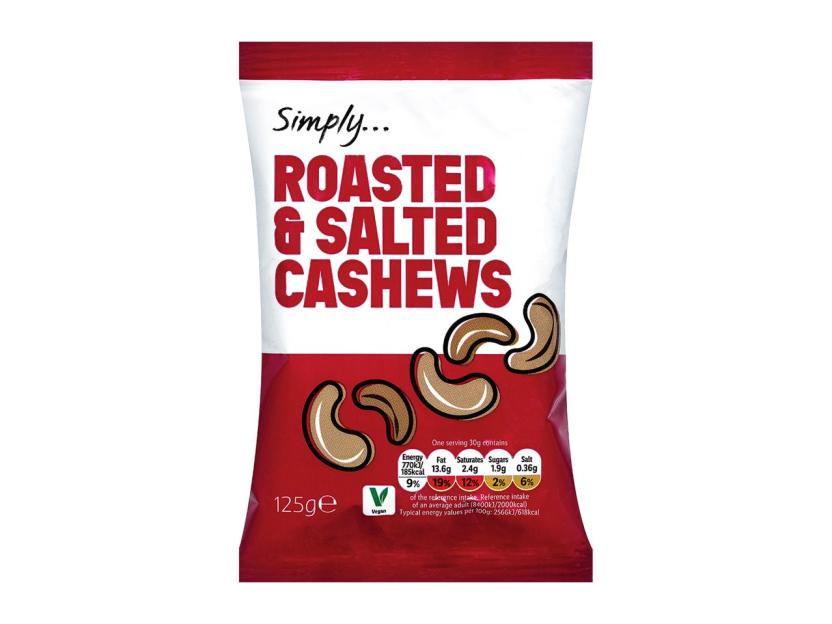 The 125g bags of Simply Roasted & Salted Cashews with select best before dates have been recalled from Lidl shelvesCredit: Lidl
The Simply Roasted & Salted Cashews have been marked as unsafe to eat by the brand.
In a recall notice , the retailer said: “Lidl GB is recalling Simply Roasted and Salted Cashews because the product may contain glass, making it unsafe to eat.”
Packs weighing 125 grams are included in the recall, with any packs marked with the best before date 28 June 2026 affected.
Risk of glass
In a risk statement, Lidl confirmed “the possible presence of glass in the product”.
As well as issuing a recall notice, Lidl will also display point of sale notices in all retail stores that stock that product.
These notices explain to customers why the product is being recalled and tell them what to do if they have bought it.
And if shoppers have bought the product, Lidl urges them not consume it.
Instead, return the cashews to the store from where it was bought for a full refund.
So whether you purchased the cashews for a salty snack or you’re stocking up for your hosting duties, make sure to check the packaging to see if the food is affected by the recall.
For further information, please contact Lidl Customer Care on customer.care@lidl.co.uk or 0203 966 5566.
Food safety
Product Recall Information Notices are issued by the FSA to inform consumers and local authorities of problems associated with food.
In some cases, a “Food Alert for Action” is issued.
This provides local authorities with details of specific action to be taken on behalf of consumers.
If there are problems with food they can be withdrawn from shelves by retailers.
And in other cases, they may even be recalled, which is when customers are asked to return the product.
Your product recall rights
PRODUCT recalls are an important means of protecting consumers from dangerous goods.
As a general rule, if a recall involves a branded product, the manufacturer would usually have lead responsibility for the recall action.
But it’s often left up to supermarkets to notify customers when products could put them at risk.
If you are concerned about the safety of a product you own, always check the manufacturer’s website to see if a safety notice has been issued.
When it comes to appliances, rather than just food items, the onus is usually on you – the customer – to register the appliance with the manufacturer as if you don’t there is no way of contacting you to tell you about a fault.
If you become aware that an item you own has been recalled or has any safety noticed issued against it, make sure you follow the instructions given to you by the manufacturer.
They should usually provide you with more information and a contact number on its safety notice.
In some cases, the manufacturer might ask you to return the item for a full refund or arrange for the faulty product to be collected.
You should not be charged for any recall work – such as a repair, replacement or collection of the recalled item.
More on product recalls
And a popular in the UK over a “choking hazard”.
as it pulled a popular M&M’s dupes from shelves over a health risk.
Tesco, Sainsbury’s, and Co-op from shelves over dangerous health risk.
And glass was also an issue with a popular UK skincare product as .
Plus, a popular from UK supermarket shelves over fears it could cause cancer.