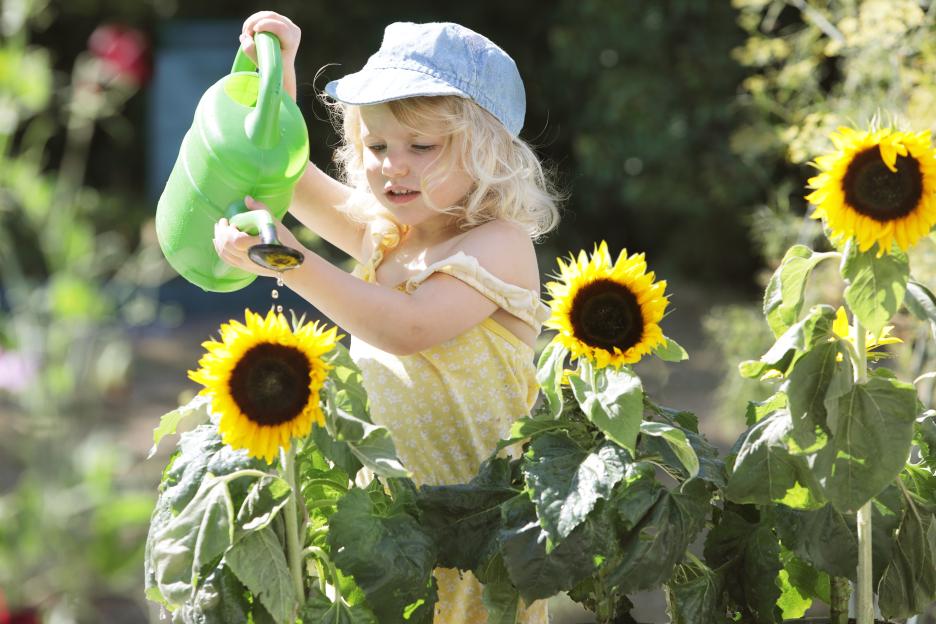
AUGUST is just around the corner and it’s a crucial month for gardeners, according to the experts.
They reckon that, because it’s the last month of summer, green-fingered folk need to make it count.
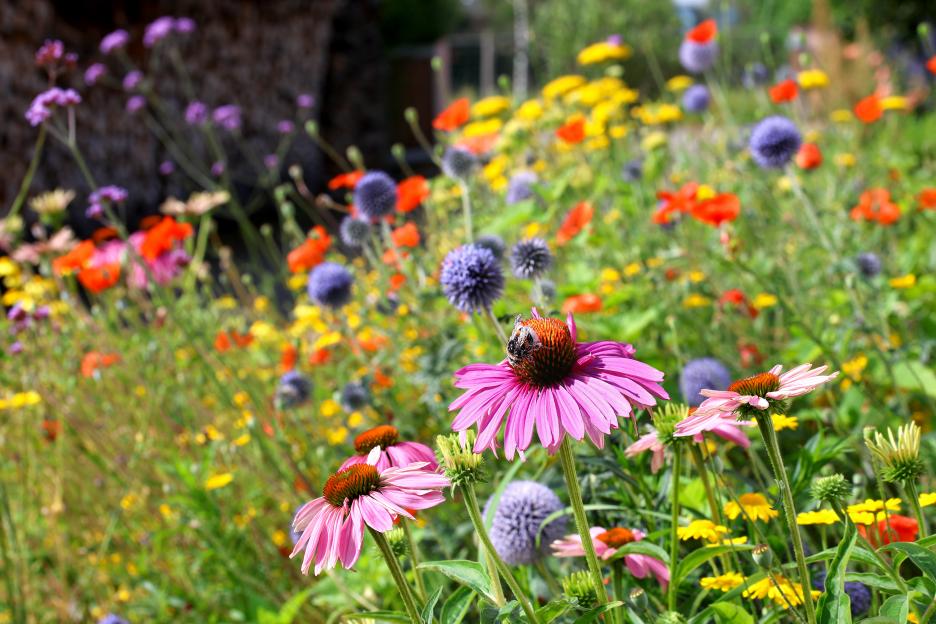 Gardens are bursting with colour at this time of year Credit: Getty Images
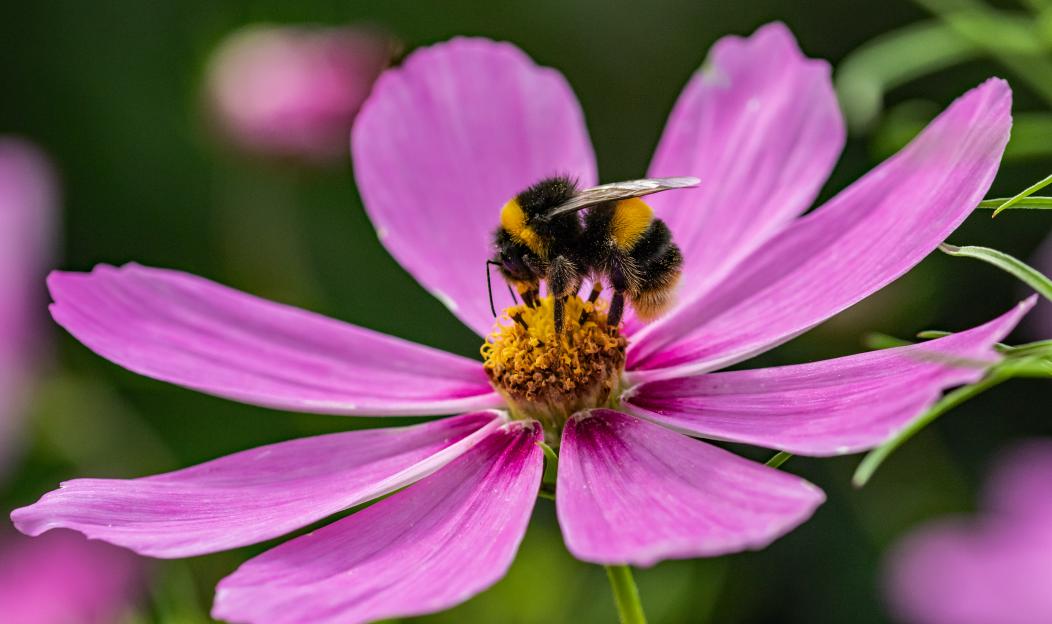 It’s a good time to attract wildlife Credit: ian600f
At this time of year, gardens are bursting with colour, plant life and wildlife. They’re also under pressure from heat stress, so some extra TLC goes a long way.
Late summer brings unpredictable, but still warm temperatures, dwindling natural food sources and young wildlife experiencing their first shot at independence.
And gardening and wildlife expert James Ewens, at Green Feathers , has revealed five essential gardening jobs to tick off in August to ensure your garden, and the wildlife that calls it home, has the best chance of surviving and thriving ahead of autumn.
He said: “We spend the year waiting for our gardens to burst into life, and we’ve got to make the most of it before that nippy chill creeps up on us.
“A beautiful garden is all good and well. Creating a healthy environment for wildlife that supports everything living in it needs to be a focus, too, though.
“Looking after our feathered friends and pollinators is a priority for August, watering responsibly to support birds through the end of breeding season and creating a bee bath will keep our wildlife happy and healthy. A loved garden loves you back tenfold.”
Pollinator pitstop
A pollinator pitstop – yes, it’s as cute as it sounds! But it’s actually as beneficial as it is cute, too. It’s a great way to support bees, butterflies, and other pollinators even if you’re short of space.
James says: “It’s a little service station for pollinators where they can have a break, refuel and rehydrate. It can be as simple as a shallow bowl of fresh water with stones for insects to land on, surrounded by nectar-rich plants like lavender or echinacea.
“Even a tiny little pitstop can make a big impact for pollinators; a few pollinator-friendly plants on a balcony or patio next to a shallow water source can be a valuable stepping stone for wildlife. Keep the water clean and replenished, and shallow for pollinators. Use pebbles or stones to give a perching place for insects to top up without the risk of drowning.”
Deadhead spent flowers
Deadheading is essential in August, especially as some of our blooms are tempted to call it a day. It neatens up plants and encourages more flowers, preventing them from dropping their petals too soon.
The expert says: “Remove flowers as soon as they start to fade, it’s a case of out with the old, in with the new, you’ll keep displays looking better for longer by diverting their focus on using energy for seed production. Bedding plants, roses, cosmos, and dahlias, and summer-flowering perennials all benefit from a few minutes each week of deadheading, along with shrubs like tree peonies and climbers.
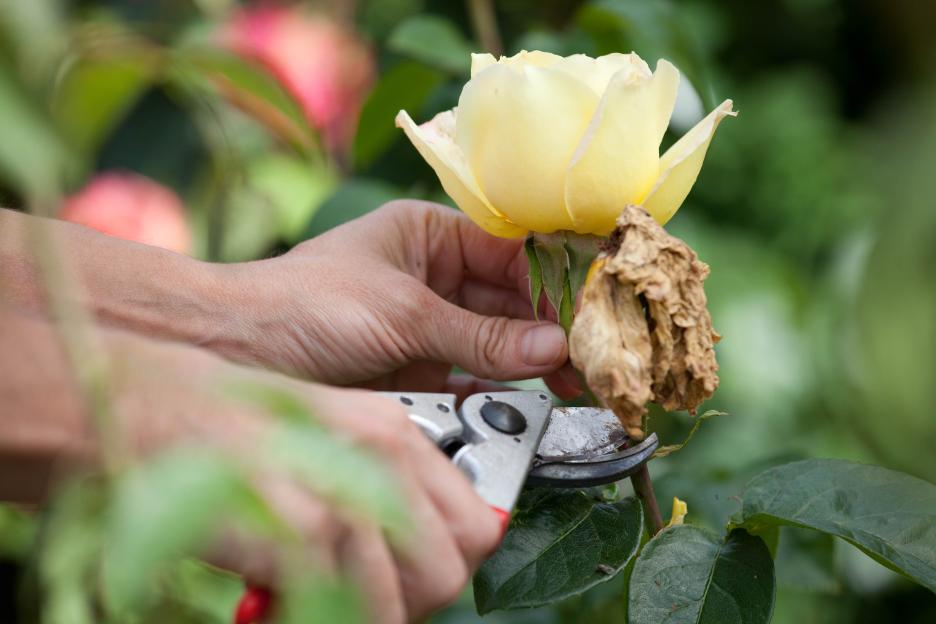 It’s a good time to deadhead flowers Credit: Compulsory Credit: GAP Photos
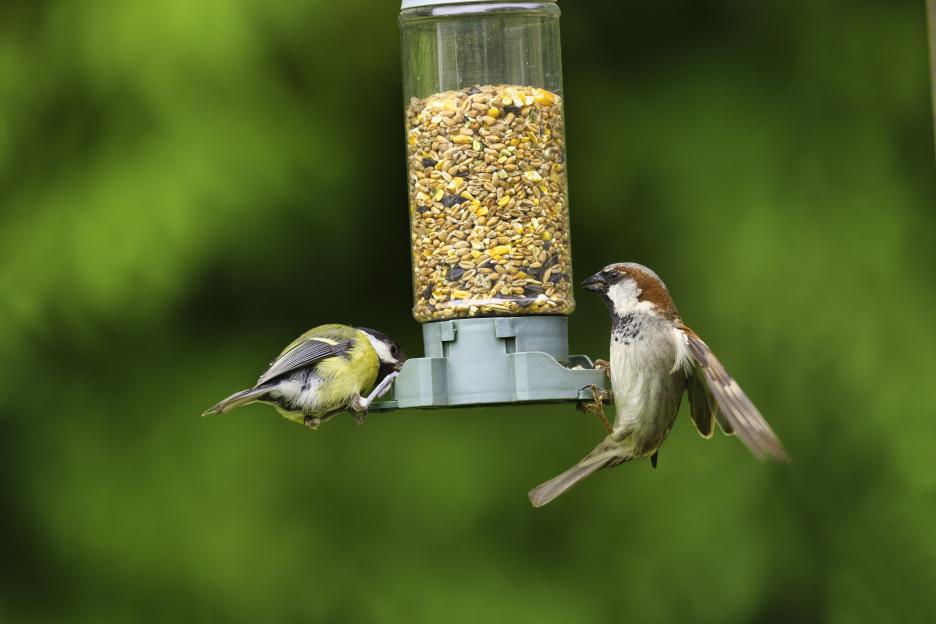 Feeding birds is also important Credit: vandervelden
“Be mindful of leaving bird-friendly seeds like sunflower seeds and hearts, rudbeckias and cornflowers, they can stay as long as possible to support our feathered friends.”
Continue feeding birds safely
It’s a divisive topic in the gardening world, but I’m here to cut through the noise to tell you that birds do need supplementary feeding in summer, it just needs to be done responsibly.
Supplementary feeding is always necessary, especially in August when birds are still active for long daylight hours and still feeding their young. Birds need the best chance ahead of autumn, so responsible feeding is critical.
The garden guru said: “Trichomonosis is a risk for birds in summer, hygiene is critical as diseases are rife in August heat.
“Keep feeders topped up little and often, clean feeders by scrubbing thoroughly once a week, and keep water replenished for birds to hydrate and bathe. Avoid foods that spoil quickly in heat and use hanging feeders rather than flat ones, and provide nutrient-rich and easily digestible foods like sunflower hearts, mealworms and quality seed mixes.”
Responsible watering
To avoid doing more harm than good to your garden in hot weather, even watering requires consideration. Watering correctly is one of the most important gardening jobs.
James explained: “Focus on time of day first and foremost; midday sun is not a good time to water. Early morning or evening when temperatures are mild are best, and if I had to choose, morning watering wins because it reduces evaporation ensuring plants absorb moisture properly.
“Less frequent but deep watering is optimal in summer. Water deeply a few times a week rather than little and often to encourage stronger root systems. This is general advice though, and you should always play it by ear! Hanging baskets and newly planted plants may well require more watering; a general rule of thumb is to stick your finger around an inch into the soil, and if it’s dry, it needs some water.”
Lawn care health check
If your lawn looks dry and patchy, don’t panic, you would too if you’d been subjected to the unpredictable UK weather all day and night.
Established grass is luckily very resilient, it’ll recover if it’s treated right.
The expert says: “Grass naturally goes dormant as a self-protection tactic in hot weather – clever, right? A deep soak during prolonged hot, dry weather is much more beneficial than light watering little and often.
“The best approach is actually to give it space and let nature run its course besides some deep watering now and again; avoid mowing it too short in August, longer grass actually helps shade the soil to retain moisture.”