UP TO 30 children are thought to have been conceived through IVF with the wrong sperm or egg donors, an investigation has revealed.
Dozens of parents, most of them British, are concerned that IVF clinics in northern Cyprus did not use the donors they carefully selected.
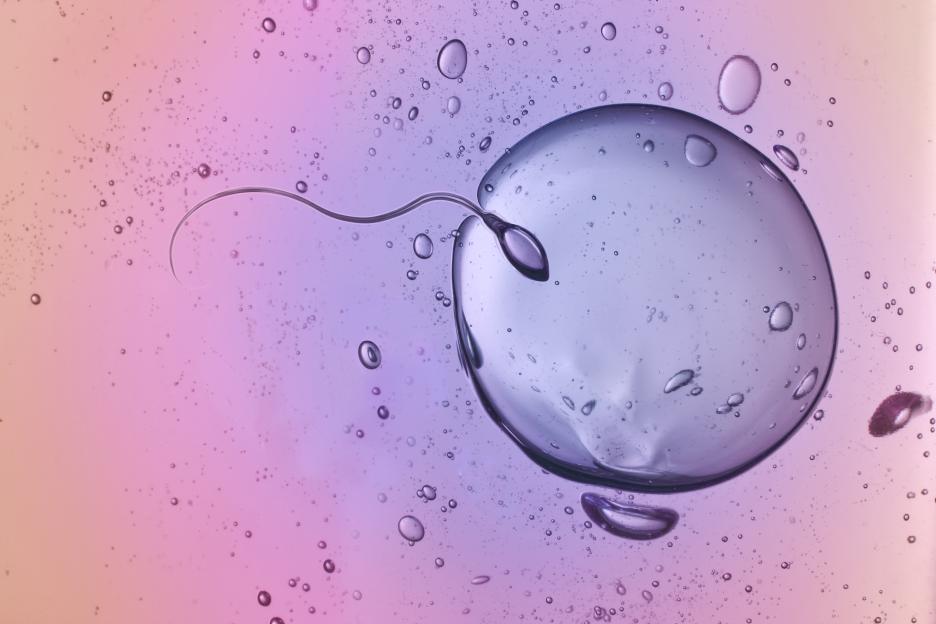 Up to 30 children are thought to have been conceived through IVF with the wrong sperm or egg donors Credit: Getty
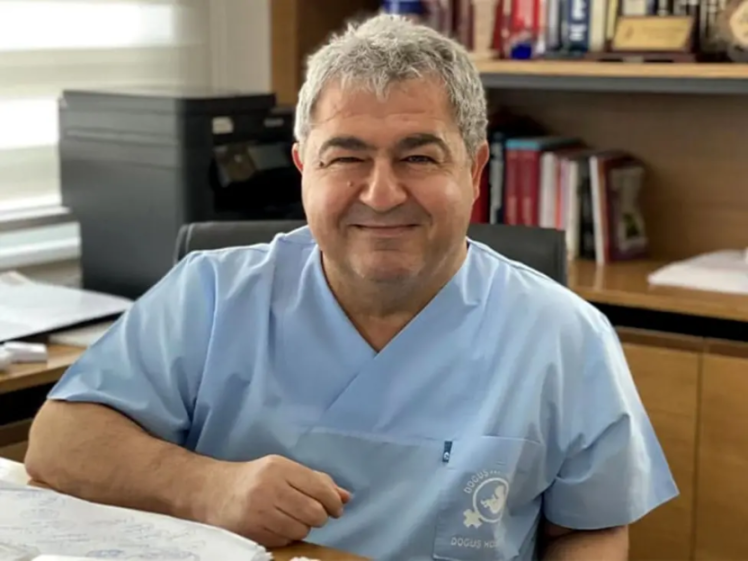 Dr Sevket Alpturk, one of the doctors in northern Cyprus accused of misleading UK parents Credit: Dogus IVF Centre
Despite choosing anonymous donors based on medical , appearance, personality, education and hobbies, it is now feared that these weren’t used in some cases.
Most of the treatments under scrutiny were done at one particular clinic between 2012 and 2024.
Since then, some parents have had suspicions that the incorrect donor was used, so have undergone tests with their children.
In at least 11 cases, the test results showed that the children inherited genetic ancestry from or surrounding countries, despite families being promised donors from Western Europe.
This suggests that parents’ chosen egg or sperm donors weren’t used.
IVF – known medically as in vitro fertilisation – is a treatment used by those struggling to conceive naturally.
Eggs are fertilised with sperm in a laboratory before the embryo is then placed in a woman’s uterus.
Funding for varies across the UK, with decisions made by local integrated care boards (ICBs).
For those who have no choice but to pay for the treatment, it can cost somewhere between £5,000 and £7,000 in the UK, just for one round.
Half of the 30 children in this situation were born from procedures carried out at Dogus IVF Centre in Nicosia, .
According to a BBC investigation , the majority of children who have undergone DNA tests so far were conceived at the Dogus Clinic.
One woman, just referred to as Rachel by the broadcaster, was treated at the centre in 2012 but later discovered her selected sperm donor was not used, meaning her son had a different – and unknown – biological dad.
She described the situation as “absolutely scandalous”.
Rachel selected an anonymous sperm donor to father her son, but later became concerned his sperm had not been used after her son looked hugely different to both her and the donor.
She also claims staff at the clinic refused to send her proof of a medical report confirming the sperm she requested had been used.
After reading the BBC’s first article on this issue in March, Rachel and her son Jonah, now 13, took a DNA test.
What to know about IVF
IVF (in vitro fertilisation) is a fertility treatment to help you get pregnant.
Eggs are fertilised with sperm in a laboratory and the embryo is placed in your womb (uterus).
Your chance of having a baby using IVF can depend on many factors such as:
- what’s causing your fertility problems
- your age
- your body mass index (BMI)
- lifestyle factors, such as smoking or drinking alcohol
A GP or the fertility clinic team can discuss this with you before starting IVF.
If you’re aged 39 or under, you may be eligible for 3 full cycles of IVF on the NHS if either of these apply:
- you’ve been trying to get pregnant through regular sex without using contraception for at least 2 years
- you’ve tried 12 cycles of artificial insemination and at least 6 of those cycles used a method called intrauterine insemination (IUI)
However, if tests show that you’re unlikely to get pregnant without IVF, you should be referred for treatment immediately.
If you’re aged 40 to 42, you may be eligible for 1 full cycle of IVF if all of these apply:
- you’ve been trying to get pregnant through regular sex without using contraception for at least 2 years
- you’ve tried 12 cycles of artificial insemination and at least 6 of those cycles used a method called intrauterine insemination (IUI)
- you have not had IVF before
You’ll also need some tests to check that your ovaries will respond normally to fertility medicine.
Source: NHS
Results revealed that while he is her biological son, the sperm donor she selected is not his dad.
Rachel is upset that this discovery means her son may never get to contact his true father in the future, if he wants to.
Three members of staff at the Dogus Centre – Dr Firdevs Uguz Tip, Dr Sevket Alpturk and patient co-ordinator Julie Hodson – were allegedly in charge of patient care during the relevant time period.
Dr Firdevs was also said to be linked to another nine further cases at two other clinics, including Miracle , which she currently runs.
She denied any wrongdoing at the clinic, when contacted by the BBC, and said she had now been cleared of breaching any laws.
Dr Alpturk and Ms Hodson did not respond to any questions from the BBC.
The also revealed that Cryos International, the world’s largest sperm bank, blacklisted Dogus clinic in 2016.
Cryos said it has no record of ever delivering sperm to the clinic, despite Dogus advertising their relationship as a selling point for years.
The sperm bank also said it has suspended working with Miracle IVF until an investigation is carried out by the government.
IVF clinics in northern Cyprus are loosely regulated and treatments are offered at lower prices than in the UK.
The territory’s Ministry of previously confirmed to the BBC it had launched an investigation into these claims in March, but has not provided any updates since.
Commenting on this investigation, Laura Bridgens, founder of the Donor Conceived UK, said: “These reports are deeply troubling.
“It’s a fundamental human right for a donor-conceived person to know the truth about their origins.”
approached Dogus IVF and Miracle IVF for comment.