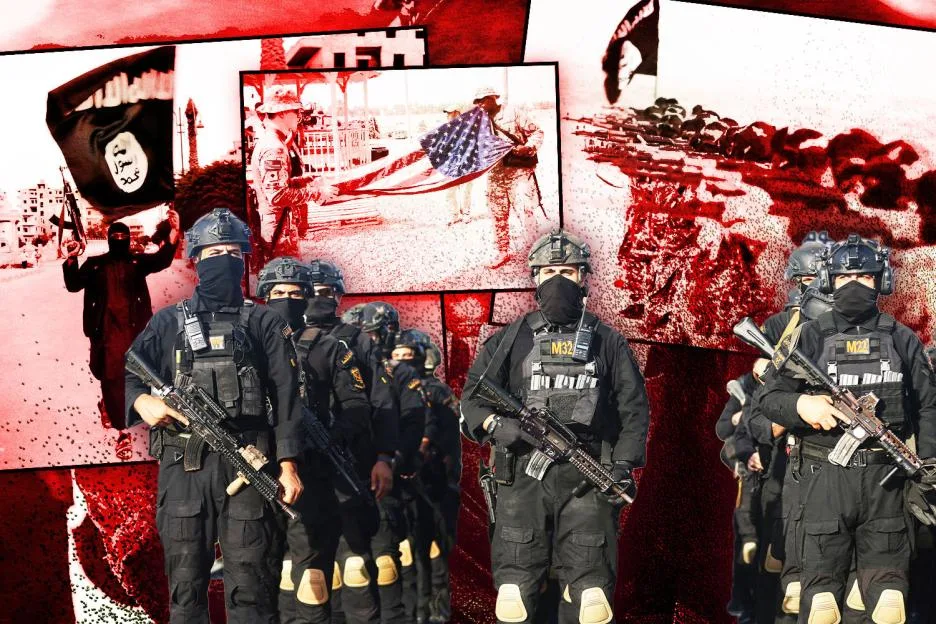
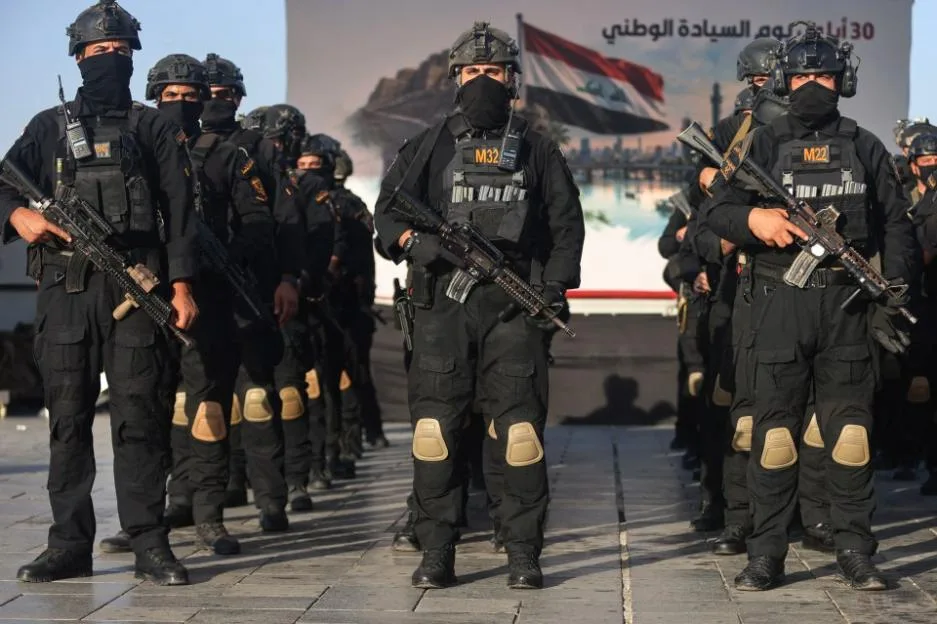
THE final US withdrawal from Iraq could spark a terrifying resurgence of ISIS or Iran-backed militias, it is feared.
An in the wake of the American departure after forces kept the Islamic State and ‘s proxies at bay for years.
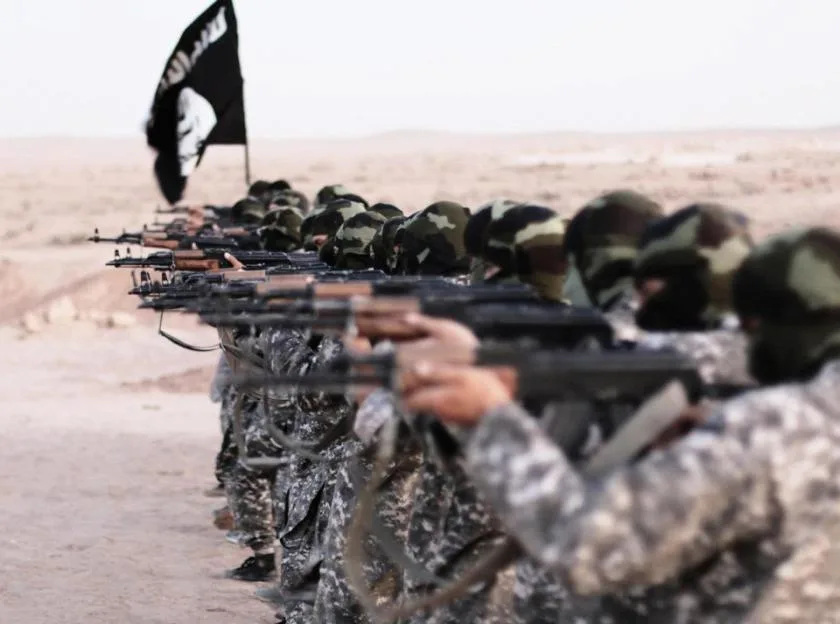
The US withdrawal at the end of September has been celebrated as a victory by Iran – as the has deep ties to terror groups in the region.
Now coalition forces have left, a power vacuum could ignite a tinderbox of vying forces – including and , Iraq expert Michael Pregent warned.
The retired US intelligence officer told The Sun: “The US has been the only thing keeping these [Iran-backed] militias from advancing.”
He also compared the current situation to the previous withdrawal from Iraq in 2011 – and warned the consequences could be the same.
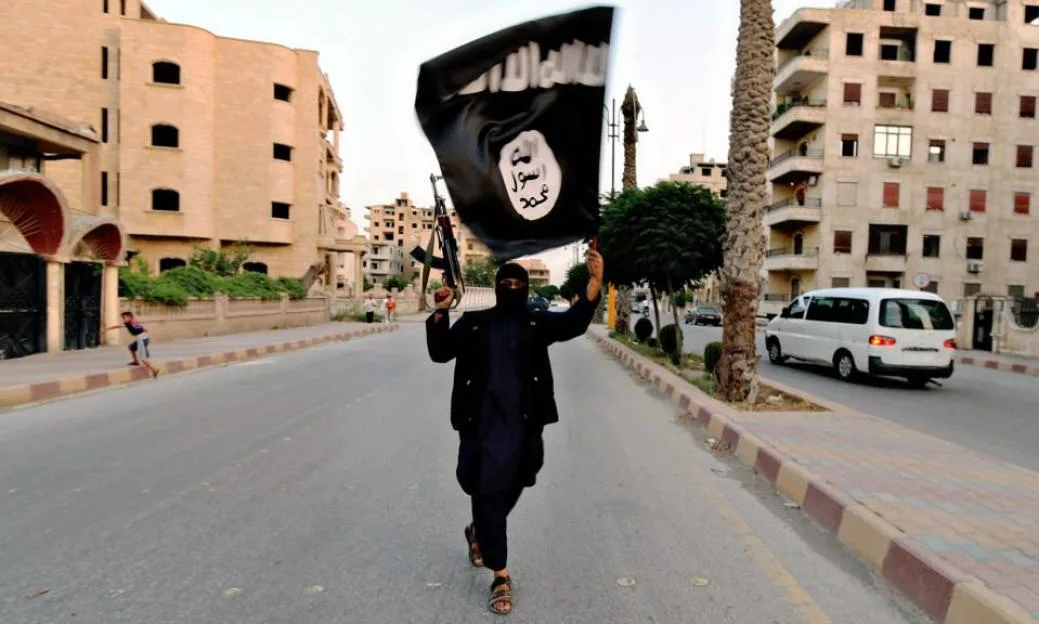
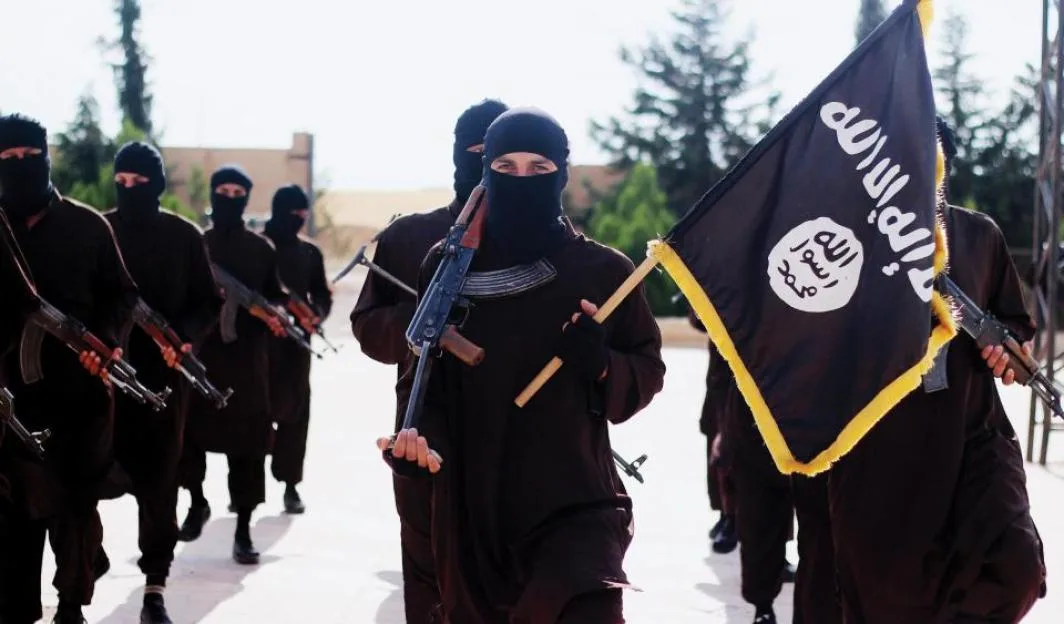
“What did we see? We saw the resurgence of ISIS,” he said.
“We’re gonna incubate the next iteration of ISIS and we’re going to have to go back.”
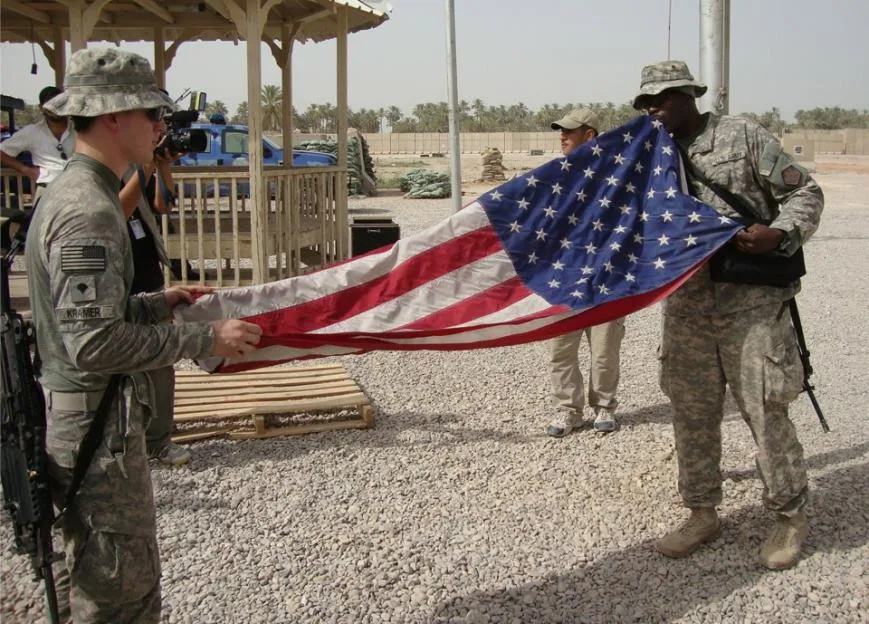
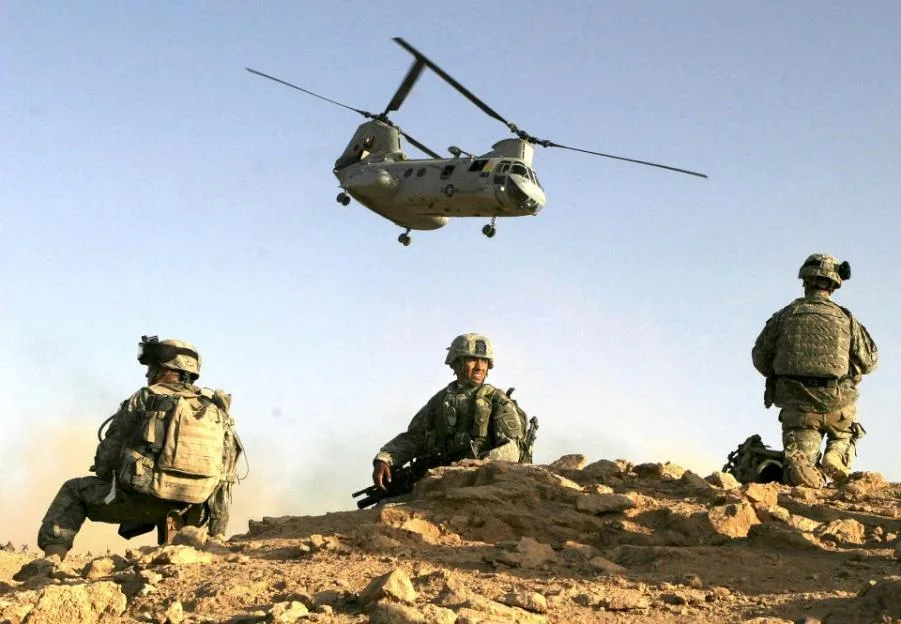
On September 30, the final US forces withdrew from Iraq – seemingly ending two decades of war in which nearly 4,600 Americans and some 200,000 civilians were killed.
Footage showed a convoy of US tanks leaving Iraqi Kurdistan, marking the end of Operation Inherent Resolve in the country.
Around 200 British troops have also come back home over the past few months.
But concerns are surging that the withdrawal – agreed under in 2024 – could set Iran‘s proxies loose in the war-torn neighbouring country.
Jasim al-Bahadli, an Iraqi security analyst, said: “Iran stands to benefit strategically from the coalition’s departure because it removes a military presence that for years acted as a counterweight to Iran’s influence in Iraq.”
He predicted pro-Iranian militia groups would not only portray this as a victory but “seek to translate that momentum into greater influence over security and political decision-making”.
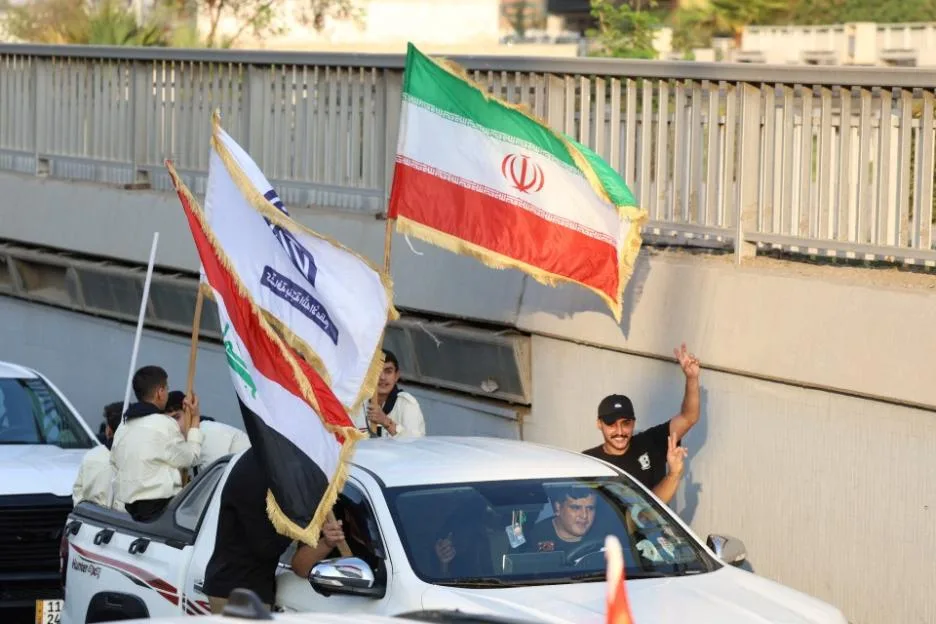
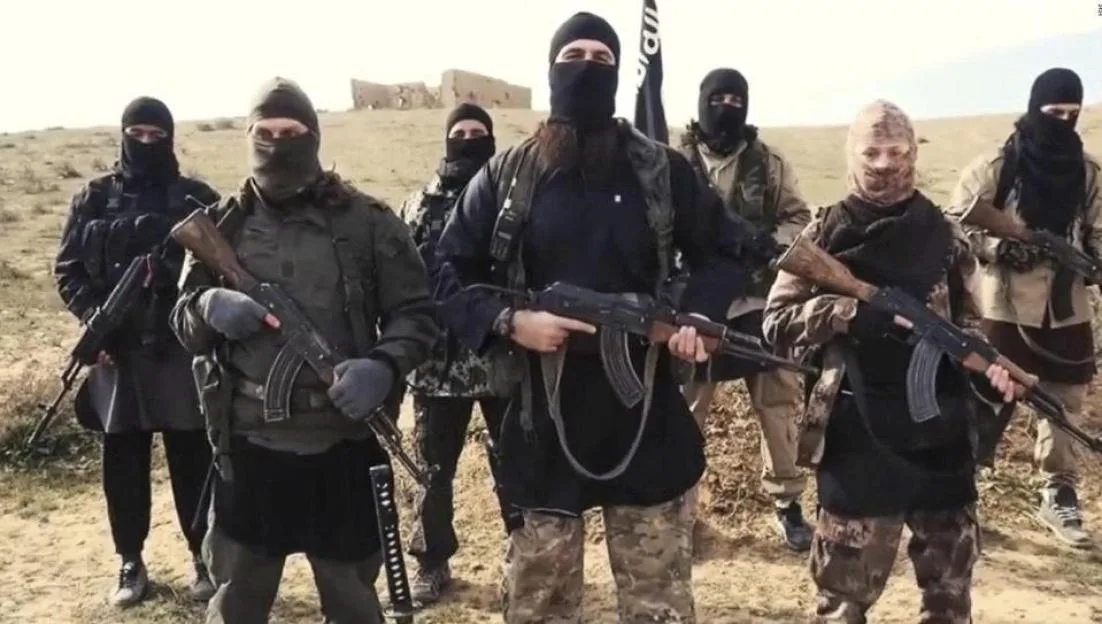
Tehran’s influence in Iraq has greatly expanded over recent years, supporting Shia militias who have been attacking US bases and Sunni civilians.
Fears are mounting the Sunni population, who turned to ISIS for help in the 2010s for the same reason, could welcome the Islamic State again if faced with violent oppression.
Pregent said: “I can see indicators and warnings… what I’m looking at right now, the most dangerous course of action, is a reintroduction of Sunni jihadists [ISIS] into Iraq.”
He also suggested Syria, which last year came under new Sunni leadership after the , could be part of a new ISIS-style surge in Iraq.
Following the US withdrawal on September 30, the commander of the Islamic Resistance in Iraq, a pro-Iran group, declared a “historic victory”.
Abu Mojtaba al-Yasiri said: “On September 30, we will celebrate the turning of a black page in Iraq’s and the failure of the occupation to impose its will on our country.”
Tehran spun the US departure as a victory for its “axis of resistance”, saying: “We welcome the withdrawal of American troops from Iraq and will undoubtedly support it.
“Resistance groups are currently taking action, sometimes targeting and confronting American troops.”
US forces first to topple tyrannical despot Saddam Hussein.
A government was installed and American troops remained in the country fighting counterinsurgency until leaving in 2011.
But they returned in 2014 to help Iraqi forces defeat ISIS – a Sunni militia – until the brutal war ended in 2017.
At their height, ISIS fighters occupied a third of the country and slaughtered tens of thousands of people.
Since then, US forces have remained in the country while coming under fire from Tehran-loving terror groups.
The attacks intensified when the US killed a top Iranian commander, , with a strike on Baghdad Airport in 2020.
Since the outbreak of war in Iran in February, died in Iraq.
The most recent death was an army sergeant killed in an explosion of a drone near Erbil in July.
Iran’s militia groups have also been accused of targeting other countries in the Middle East, including Saudi Arabia in recent months.
They most recently struck a major Saudi .
Pregent added: “The Iraqi militias are dead set on Saudi Arabia, they want Saudi oil refineries.
“They want to attack that, that’s the vulnerability, and they’re [also] looking at .”
Pregent added: “The biggest concern is not about a resurgence of ISIS in Iraq. It’s about what these Shia militias tied to Tehran are going to do.”
He said both the Kurdish population – a distinct ethnic group who reside in northern Iraq – as well as the Sunni people, who represent about a third of the country, were now at risk.
Pregent said the withdrawal was another stab in the back for Kurdish forces – who worked with the US-led coalition against ISIS and Iranian-supported militias.
“We’re abandoning them again,” he said.
“And it always favours an adversary, a mutual adversary, in this case, Iran.”
The veteran continued: “This part of the world will continue to incubate existential threats and it’ll be a recurrent event where we send Americans back to Iraq to deal with something that we just never finished…
“I’m concerned because future Americans are gonna have to fight these battles that these current decision makers chose to take the easy way out.”
Washington has pledged to monitor the region in case of any future violence.
Admiral Brad Cooper, commander of US Central Command, said: “As we step back and hand full primary responsibility for Iraq’s security to the government of Iraq and the brave people of Iraq, the US and coalition forces stationed across the region will remain ready to respond to any Isis [Islamic State] threats that arise.”
Operation Inherent Resolve has officially ended in Iraq, but many of the 1,500 US forces stationed there have now been moved to Jordan where the mission remains active.
The is also still flying over Syria to combat the remnants of ISIS.
![2027: INEC publishes final names of governorship candidates across states [FULL LIST]](https://www.flyingeze.com/storage/posts/0943c1/inec-1.jpg)