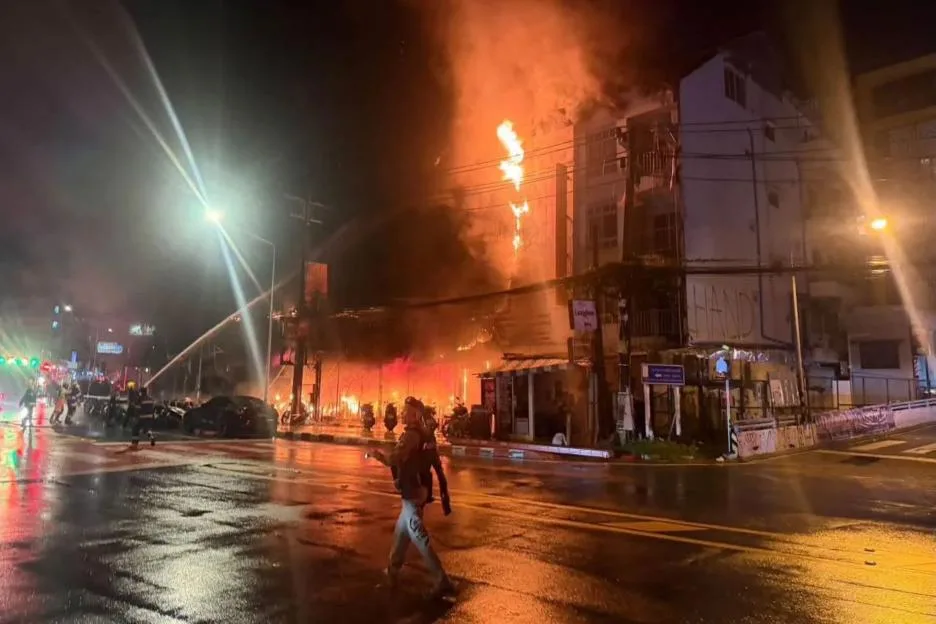
IRAN still has up to 2,500 missiles stashed in a secret stockpile, US officials have warned – amid fears Tehran could use the arsenal to blitz military bases in the UK.
The chilling revelation pours cold water on President Trump’s repeated claims that joint US and Israeli strikes had wiped out the rogue regime’s deadly rocket programme.
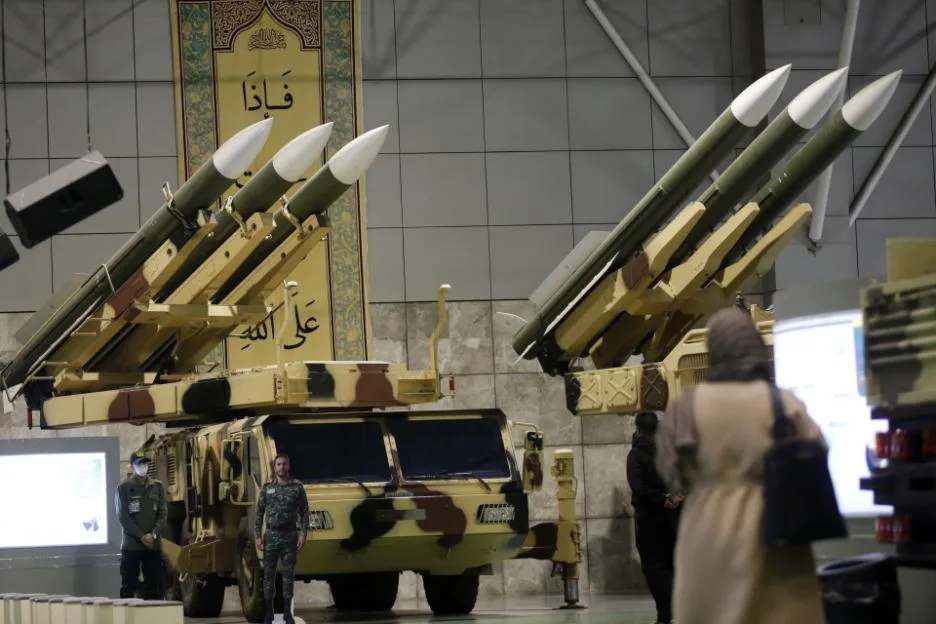
Intelligence assessments suggest Iran still holds between 1,500 and 2,500 ballistic missiles hidden in deep underground bunkers, The Wall Street Journal reported.
That means the Islamic republic has managed to rebuild at least half of its pre-war arsenal despite months of relentless bombardment.
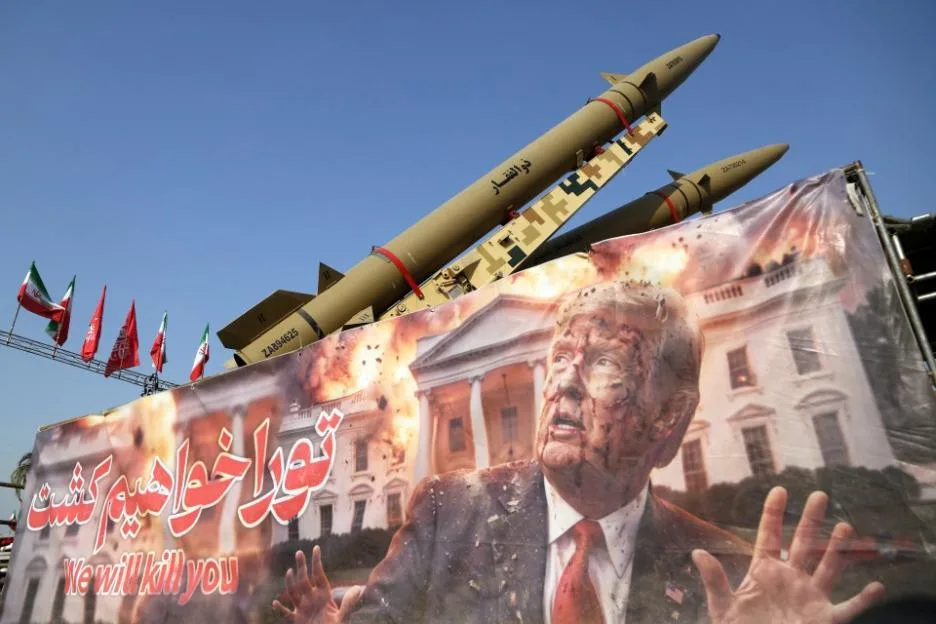
And on Sunday, Tehran ramped up its menacing rhetoric by warning that its modified Khorramashahr ballistic missiles can reach American bases across Europe.
Propagandists even name-checked Fairford in Gloucestershire –
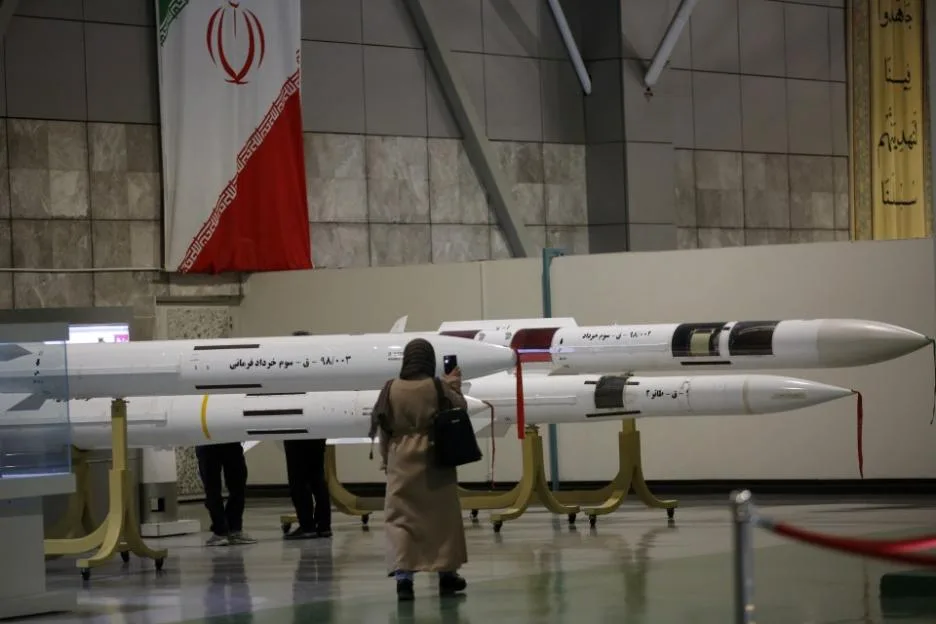
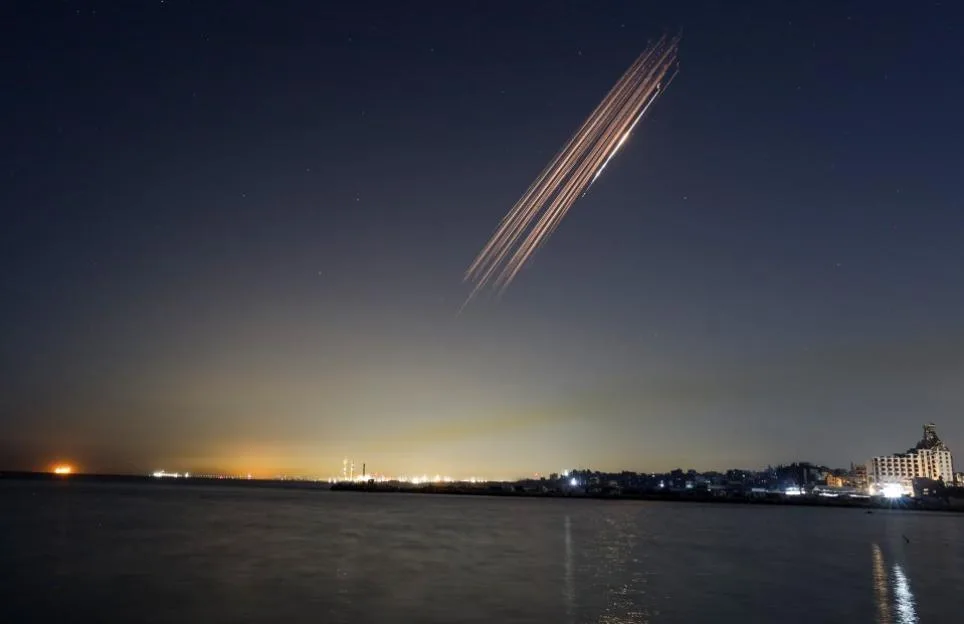
State broadcasters boasted: “The range of Iran’s missiles is not limited to what they have seen.”
While experts say it remains unclear if Tehran actually possesses a rocket capable of reaching British soil, the evidence is clear that the regime is rapidly replenishing its firepower.
Alarmingly, US officials also warned that Iran’s remaining arsenal has grown far more accurate – with strikes in June and July proving sophisticated enough to zero in directly on soldiers’ sleeping quarters.
The revelations stand in stark contrast to the triumphant picture painted at the start of Operation Epic Fury back in March, when US and Israeli jets pounded Iran’s sprawling subterranean “missile cities”.
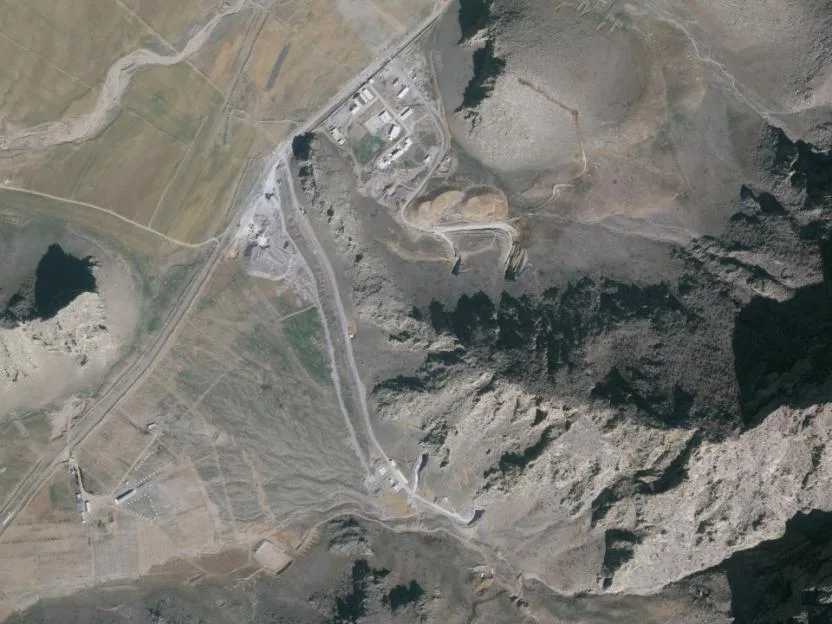
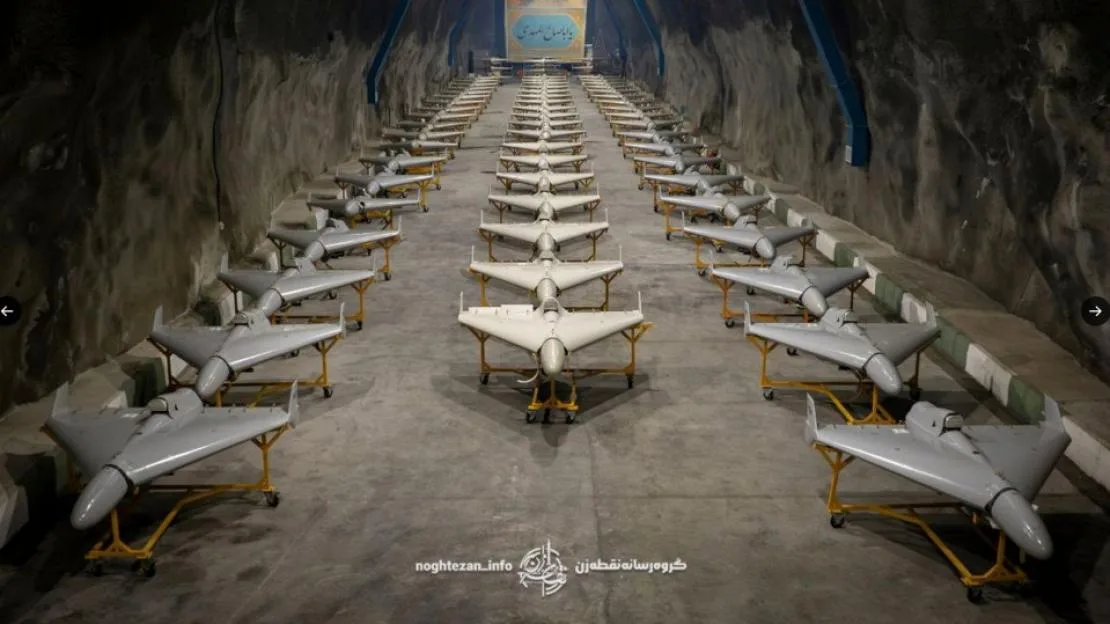
Dug up to 1,600ft below ground across facilities in Khorramabad, Kermanshah and Tabriz, the fortified tunnel networks were built over decades to shield munitions from enemy bombs.
At the time, satellite images showed collapsed tunnel entrances and smouldering wrecks as and Israeli commanders targeted more than 3,000 sites —
But Tehran has still managed to continue firing missiles and drones at US bases across the Middle East and threaten ships attempting to cross the Strait of Hormuz.
The latest development comes after fired attack drones at a base in Bahrain over the weekend amid uncertainty over fruitless peace talks.
The Islamic Revolutionary Guard Corps boasted of a “decisive and crushing response to hostile US actions”, despite six being shot down.
Tehran had been targeting an air-defence radar at the Riffa helicopter base but the Bahraini military said it had destroyed the threats “before they reached their target.”
Sirens rang out across the Gulf kingdom as authorities urged residents in the capital, Manama, to seek shelter in several social media posts.
Explosions were reportedly heard in the early hours of Sunday morning, with a second foray coming at 6.30am.
There has been no breakthrough in talks since the warring nations signed a flimsy memorandum of understanding in June either.
was said to be mulling a renewed campaign after the midterms, but talk of more strikes has died down since.
The US president reportedly told senior advisers that he might hold off if Iran and their Houthi allies refrain from launching their own strikes.
Trump’s defeat in the midterm has been blamed on the Iran war, as months of negotiations since the April ceasefire have failed to fully reopen the Strait of Hormuz for trade.
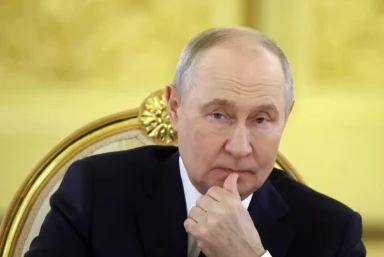
He is due to discuss the war when he meets and for an unprecedented three-way summit in Shenzen on Thursday.
Earlier in the week, .
Officials described the attacks as limited and defensive, and said they were in response to the IRGC firing on US aircraft.