AN “INVISIBLE enemy” could have sparked the deadly Florida plane crash that killed all nine on board, including a family-of-four.
Bloodcurdling “holy f**k, we’re out of time” before the aircraft on Sunday.
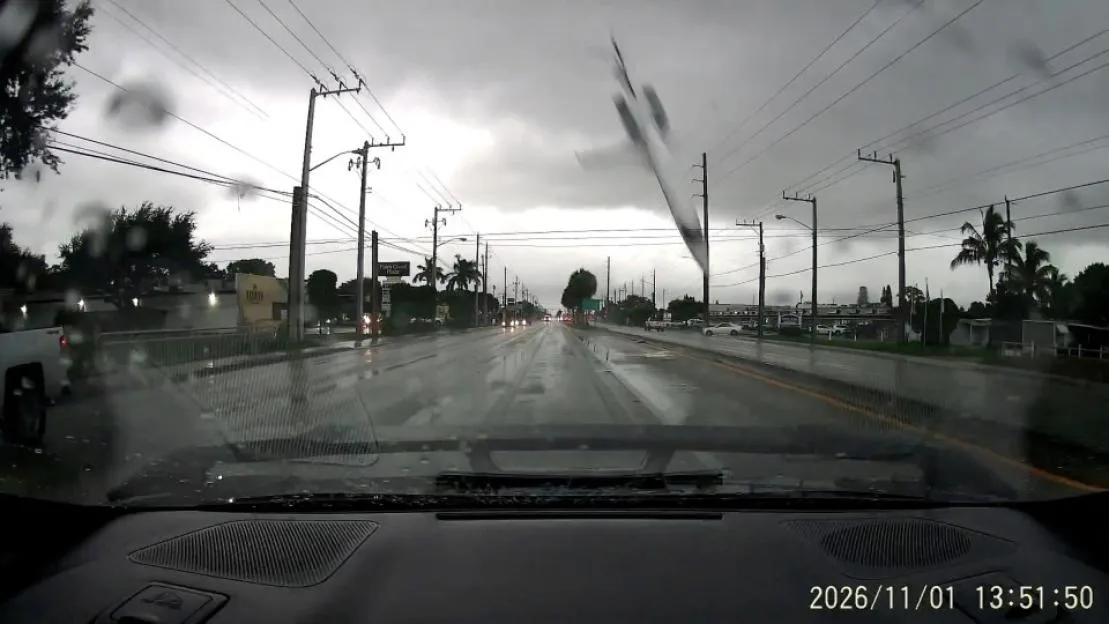
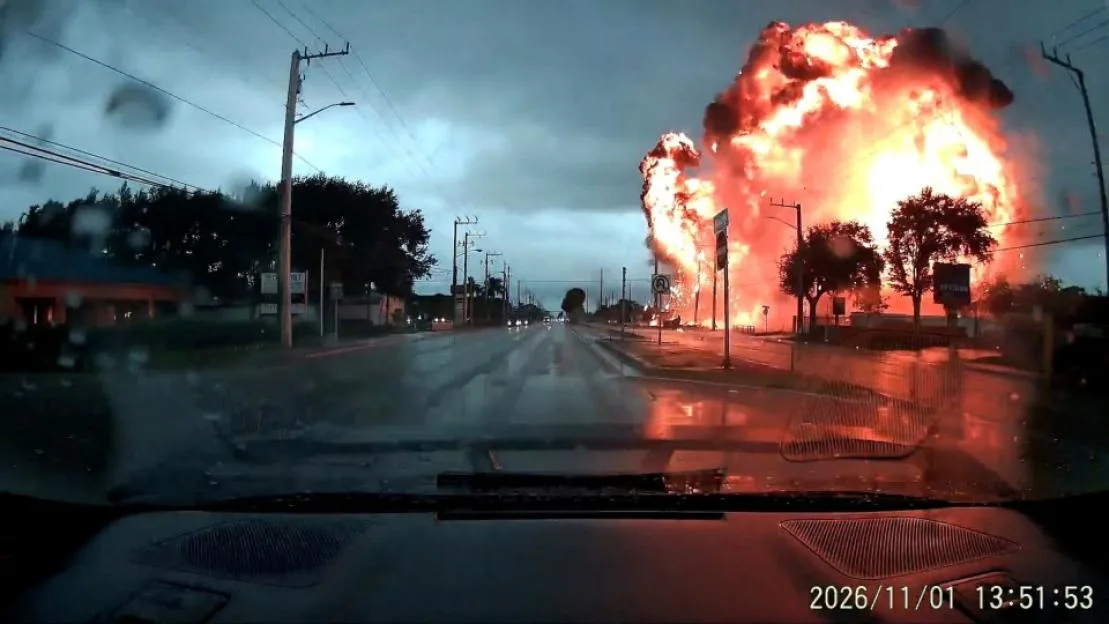
The Learjet 60 smashed into the road at hundreds of miles per hour, with witnesses saying it was “like a missile”.
Parts of the plane were .
It could take months for the federal investigation into the tragedy to reach an official conclusion.
But initial details point to an age-old culprit – ice.


Audio recording from the cockpit captures co-pilot Nathalia Filgueiras, 20, reporting a descent at a staggering 20,000 feet per minute.
But just moments earlier, she had reported: “We have light, clear ice that is manageable and moderate turbulence”.
The jet flew into a thunderstorm cell at around 1pm local time, and experts believe the threat was greater than anticipated.
Aviation experts have previously found icing accidents to be twice as fatal as a crash not affected by ice.
A plane’s wing is specifically designed in a curved shape to make air move faster over the top than beneath it.
Faster air is believed to exert less pressure – meaning the air travelling below the wing pushes upward.
But even a thin layer of ice can change this, causing the wing to stall at higher speeds than it normally would.
And a smaller aircraft is much more vulnerable to ice manipulating its wing shape than larger planes.

An expert told the New York Times that the aircraft may have encountered “clear ice,” which can freeze on wings in invisible sheets.
Learjets have three methods for de-icing including the circulation of warm exhaust over the wing, the outlet reports. But these safety systems need to be activated by the pilot.
The pilots may have mistaken the ice’s effects on the flight controls for turbulence and tried to climb out of the storm.
Flight crew requested permission to climb from 35,000ft to 37,000ft shortly before .
That elevation could have triggered a “tailplane stall,” when the tail loses lift and sends the aircraft into an uncontrollable nosedive.
A key part of the plane – most of the left elevator, part of the jet’s tail – was found nearly four miles from the crash site.
Investigators said this confirmed the horrifying theory that the jet was already breaking apart before it smashed into the road.
The left elevator controls the angle of the front of the plane, and without it it would have been impossible for a pilot to pull out of the descent.


Air traffic control had reportedly given the crew permission to change course to avoid the dangerous conditions.
But veteran pilot suggested the pilots may have fallen victim to “get-there-itis” – a phenomenon caused when pressure to reach a destination clouds a pilot’s judgement.
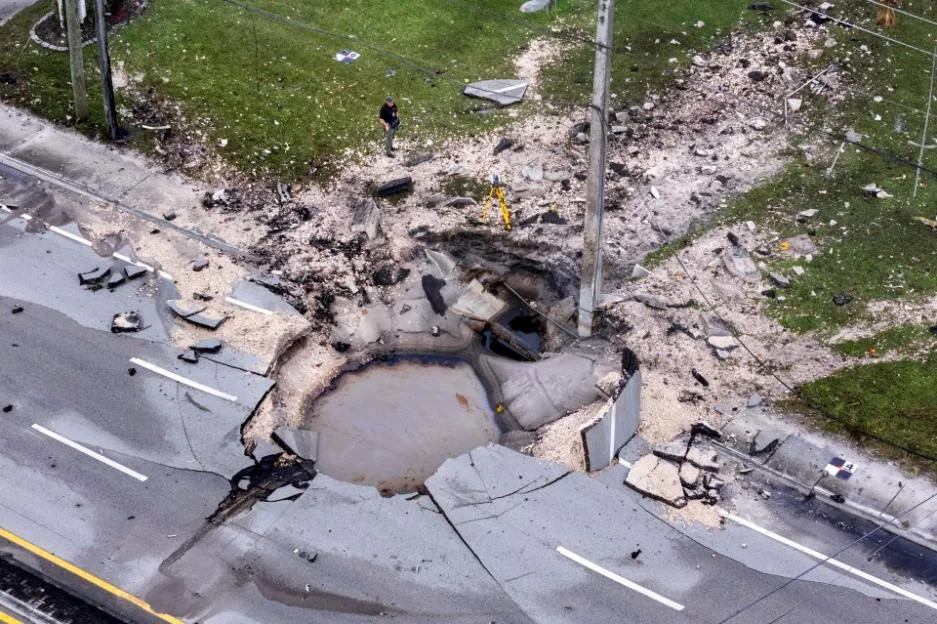
National Transportation Safety Board investigator Tom Chapman has said “airplane components found within the crater” will be “critical”.
was named as the pilot thought to be behind the controls, assisted by Filgueiras.
Tech tycoon Adam Robinson, 45, his wife Helen Sharp, 40, and their two children, Emma 4, and Charlie, 2, were also onboard the Bahamas-bound plane.
They were joined by their friends Rachael Reed and Charmi Fehr, and their nanny, Anita Maria Apellido Cetina.
More details will emerge in the coming weeks and months as the investigation continues.