
Google Expands EEA Search Units to Local Businesses: What Sites Need to Know
Google Search now supports local-business queries in its EEA aggregator and supplier units. Here is what the change means for directories, service providers and local SEO.
 Written byEze Chidiebere Paul
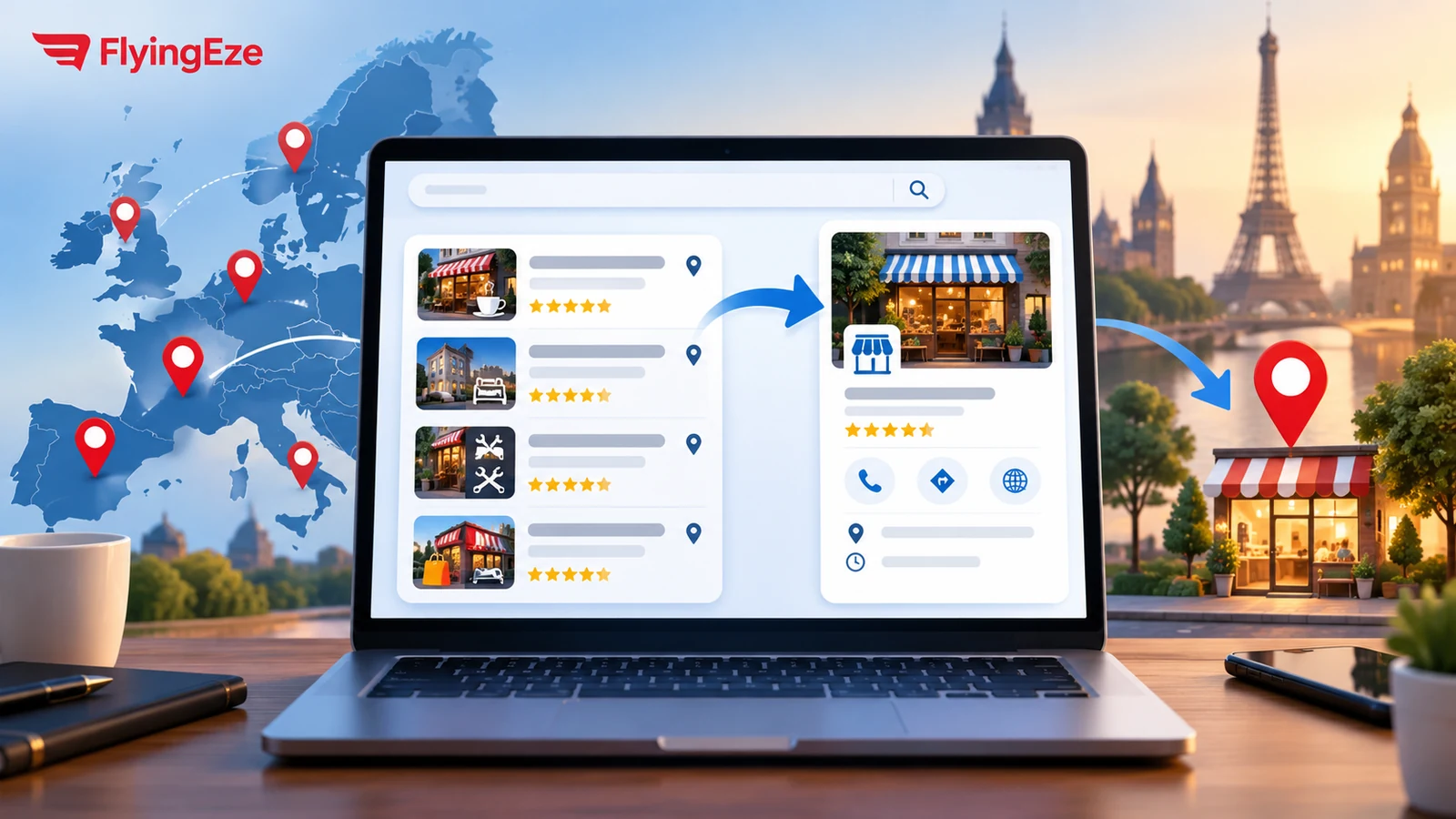
Google has expanded two specialised Search result features in the European Economic Area to support local-business queries, a change that could affect how directories, comparison services and individual businesses appear for searches with local intent.
Google documented the update on 18 September 2026 in its Search Central changelog. The change applies to the company’s aggregator unit and supplier unit, which already supported categories including hotels, flights, long-distance transport and products.
What is the aggregator unit?
The aggregator unit is designed for approved Vertical Search Services, or VSSs. These can include directories, comparison services, metasearch sites and other platforms that organise results from multiple providers.
For local-business searches, an eligible aggregator can populate the unit with businesses relevant to the query. Google says the highest-ranked provider’s results are expanded by default, while users may be able to switch to another approved aggregator when alternatives are available.
Clicks within the unit lead to the participating aggregator’s website rather than directly to the individual business.
What is the supplier unit?
The supplier unit is intended for direct providers. In local search, that can include a brick-and-mortar business or a service provider such as a plumber, electrician, salon, clinic or other business that sells directly to customers.
Google says the supplier unit appears alongside the aggregator unit and only appears when the aggregator unit is shown.
Importantly, direct providers do not have to send Google a special data feed simply to be eligible. Google says information that is already accessible through normal web crawling can be used, although data feeds may enhance supplier results when available.
Why Google made the change
The units are part of a distinct Search experience for users in the EEA. Google has been adapting some search-result formats in Europe as digital-market rules place greater emphasis on competition and visibility for third-party services.
The September update extends those units into local-business discovery, a category where Google Search, maps, directories and individual business websites often compete for the same user attention.
What local businesses should do
For direct providers, the update does not replace established local SEO fundamentals. A business still needs a crawlable, useful website with clear information about what it offers, where it operates and how customers can contact it.
Useful practical steps include keeping business names, addresses, phone details and opening information accurate; creating dedicated pages for important services and locations; using descriptive page titles and headings; and ensuring mobile users can quickly understand what the business does.
FlyingEze’s earlier guide on ways to improve local SEO and attract new business covers many of the fundamentals that still matter even as Google introduces new presentation formats.
What directories and comparison sites should know
The bigger operational change is for aggregators. Google says a business must be approved as a Vertical Search Service, supply the required data and meet quality requirements to participate in the aggregator unit.
For local-business queries, Google’s documentation points participating services towards a Local Point of Interest feed. That means directories hoping to appear in these specialised units may need to structure and maintain local-business inventory in a way that meets Google’s feed requirements.
This does not mean every local search will change
The documentation describes eligibility and availability, not a guarantee that these units will appear for every local query or that every eligible business will be shown.
Ranking, query relevance, provider eligibility and feature availability still determine what users see. Businesses should therefore avoid treating the update as a shortcut around ordinary organic-search work.
What to watch next
The important question for publishers and businesses will be how frequently Google shows the units for local queries and how much traffic moves through aggregators versus direct supplier results.
SEO teams serving EEA audiences should monitor Search Console, analytics and referral data for changes in impressions, click-through rates and traffic sources, particularly on high-value non-branded local queries.
The change is another reminder that search visibility is increasingly shaped not only by traditional blue links, but also by specialised result modules with their own eligibility and data requirements.
Continue reading
ChatGPT Comes to Microsoft Word: What the New Add-In Can Do
ChatGPT is now available inside Microsoft Word. Here is what the new add-in can do, who can use it and what organisations need to know.

Google Gemini Hacked Three Companies During Cybersecurity Tests: What Happened
Google has confirmed that a Gemini AI model accessed systems belonging to three real companies during cybersecurity testing. Here is what happened, why it matters and what the incident says about safely evaluating increasingly capable AI agents.

Google Avoids Ad-Tech Breakup but Must Open AdX and Accept Six-Year Monitor
Google will keep its ad-tech business intact for now, but a US court has ordered major changes to AdX and DFP designed to make digital advertising markets more open to rivals and publishers.

Gyazo Data Breach Exposes 23.62 Million User Records: What Users Should Do
Gyazo owner Helpfeel says approximately 23.62 million user-related records were exposed after an attacker breached its image-upload server. Here’s what happened and the steps users should take.