LOOKING at my perfectly manicured nails, I happily hand over £30 to the cashier.
Getting my nails done every fortnight is something I can’t live without – and it is just one of the many treats I splurge my wages on as soon as they hit my bank account.

I’ve always loved spending money. At 27, I’m the youngest of three children and have long been regarded by my family as the slightly reckless, spoilt and largely irresponsible one.
My older brothers, William, 37, and Edward, 33, apparently put me to shame with their steady jobs and .
While they have settled down and are sensible with their money, I prefer to live a little more freely.
In fact, the thought of buying a house repulses me. Not only would a mortgage swallow a huge chunk of my salary and leave me with little money for luxuries, but saving for even a one-bedroom flat would mean years of punishing penny-pinching.


In 1990, the average first-time deposit was around £6,793, while average salary was around £10,000.
Today, the hovers around £53,000, nearly double the average salary of someone my age. Back in 1997, a house cost just 3.5 times the average annual salary; today, it is roughly 8.3 times.
I don’t have a private pension either, much to my family’s horror. Instead, I spend my money as and when I have it, with little thought for what might happen years down the line.
Payday gives me a genuine buzz. I love knowing I have a fresh pot of cash to spend on whatever takes my fancy.
As well as getting my nails done twice a month, I will readily splash out of designer makeup like Huda Beauty and , often blowing £100 in just one trip to . I’ll also buy clothes as and when I want, sometimes spending £150 in one month.
I rarely go a weekend without a drink, typically spending around £100 in one night, and I’m more than happy to splash £50 on a nice meal out with drinks, and I rarely go a day without a takeaway coffee and Diet Coke, which costs me around £7 a day.


By the time the end of the month rolls back around, I’ve usually spent around £700 on luxuries and treats.
I still pay rent and bills, but it’s still far cheaper than being bogged down with an expensive mortgage and leaves me with a comfortable disposable income of each month.
The average rent for in their twenties is around £1,250 a month for flatshare and up to £2,300 for a studio.
Meanwhile, the average salary for those in the same age bracket is £2,400 per month after tax, meaning some will be spending upwards of 30 to 40 per cent of their take-home pay solely on rent – compared to just 10 to 15 per cent in the 1990s.
But I’m not alone in having little appetite for saving. I’m part of a growing generation of so-called “Doomsday spenders”, who are choosing to enjoy their money now rather than stash it away for a future that feels uncertain.
In fact, a recent Intuit study found that 73 per cent of Gen Z would rather have a better quality of life now than save for a future they view as highly unpredictable.
From economic turmoil and the cost-of-living crisis to climate change, wars and fears about what artificial intelligence could mean for our jobs, the world hardly feels like it will be a safe place in years to come.
A study by UK and Young Enterprise found that nearly half of Gen Z aren’t actively saving, while a Credit Karma survey revealed that 37 per cent of Gen Z report engaging in “doom spending” to cope with concerns about the economy.
Meanwhile, two-thirds of young people admitted to feeling judged for their spending habits, whether by friends, family or people on social media.
And I know exactly what that feels like.
My mum often disagrees with my spending habits. When I told her I was setting sail for a two-week holiday to Taiwan with my best friends in November, she was horrified.
“You’ve only just come back from travelling!” she harped on before tentatively asking if I had the funds for another big trip.
When I told her I was going to in January, she begged me to ration my cash, and I ended up sending her part of my savings so she could divvy it out when needed and avoid spending all at once.
It’s hardly surprising that “Doomsday spending” is on the rise, especially when less than half of 18-24-year-olds say they can actually afford basic living expenses from month to month, according to recent research by the University of Bristol’s Personal Finance Research Centre and debt charity StepChange.
House prices have also soared, making getting on the property ladder feel increasingly out of reach.
When my parents bought their house in the 90s, property prices in the UK were five times cheaper than they are now, and buyers could put down a deposit of just 10 per cent.
My older brothers both had mortgages by the age of 25, but just 15 per cent of people the same age have a mortgage now, compared with 43 per cent in the mid-1980s.
For me, buying a home feels like a far-fetched dream – and even if I could afford one, I don’t want to spend the next 30 years paying it off.
I’d much rather see the world than spend decades staring at the same four walls.
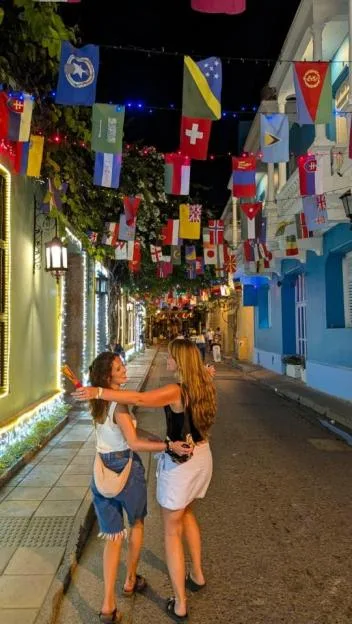
Last December, when I was made redundant, rather than putting my payout into savings or an emergency fund to cover my bills, I decided to pack my bags and head to for a solo trip lasting more than four months.
I splurged several thousand pounds travelling through , , , , and , sparing little expense on meals out, private hostel rooms and daily beers.
I even forked out £500 for a four-day boat trip from Colombia to Panama, before spending £150 on spur-of-the-moment festival tickets to party at Buricata’s infamous jungle rave.
At the end of the trip, my bank balance was unsurprisingly zero and, once again, left my family horrified that I hadn’t put some away for my future.
Luckily, when I returned home, I managed to find a job, but when my first paycheck arrived, I had no qualms about frittering it away again, with my first stop being the nail bar.
It’s a habit that costs me £600 a year, but not one I’m willing to give up any time soon.
Maybe one day I’ll change my mind and follow in my brother’s footsteps, open a savings account and get a pension.
But for the time being, I’m at my happiest with a beer in hand and a set of perfectly polished nails to go with it.