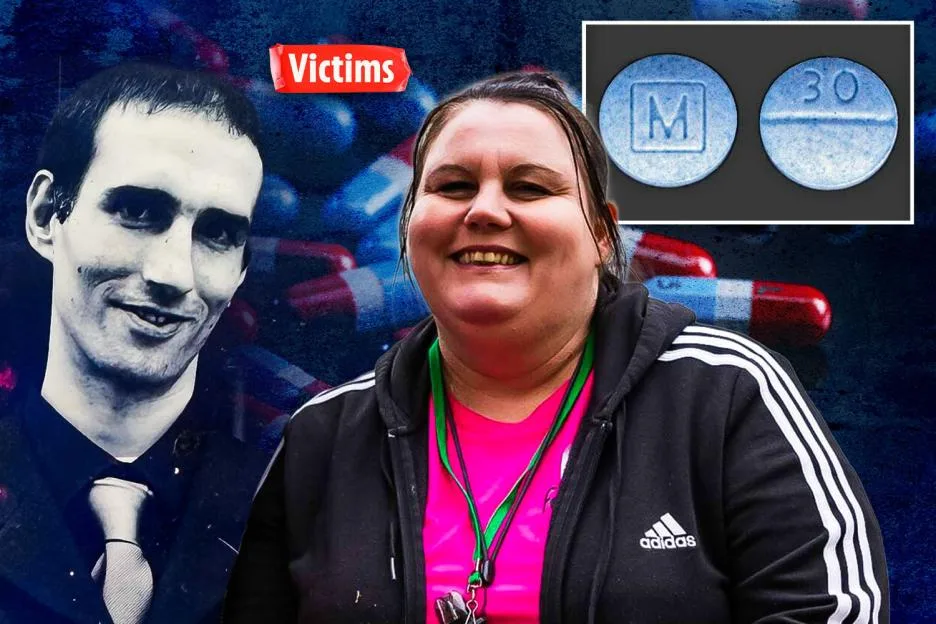
WHEN community worker Emma Urquhart was found dead with a crack pipe in her hand it seemed obvious she had finally tragically succumbed to her decades-long addictions.
Yet an inquest ruled Emma had died of a heart attack. Her case is just one of thousands families and experts fear is hiding a

They believe hundreds of deaths from nitazenes – because of their manmade nature – are not being recorded because of delays in post-mortem blood tests.
One leading researcher told The Sun: “Britain is in the midst of a crisis and the problem could be three times worse than we believe.”
Nitazenes, manmade chemicals created in labs, have been on the rise in the UK since supplies of heroin began to dry up following the Taliban’s ban on poppy farming in in 2022.
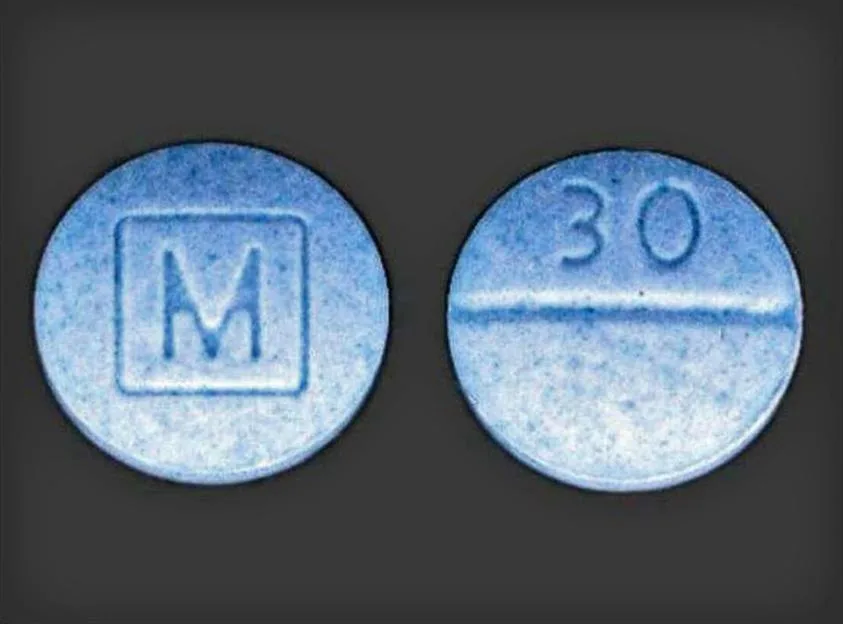
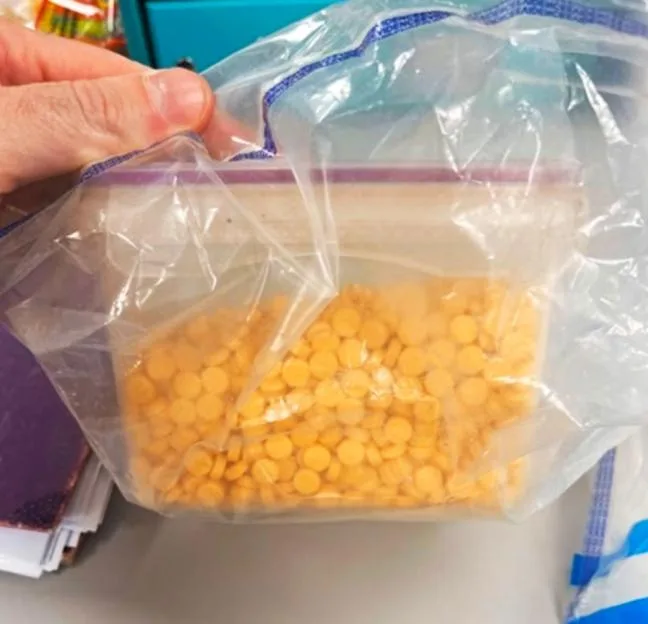
They are said to be 500 times more powerful than heroin and the killer substance is often used to bulk up existing heroin batches as well as Valium and Xanax bought on the dark web.
Government statistics reveal 150 people died from nitazenes last year – three times higher than in 2023. But families and specialists claim those figures are just the tip of the iceberg.
The drug vanishes from the body frighteningly fast and researchers say deaths could be vastly underestimated because postmortem blood tests can take up to three weeks.
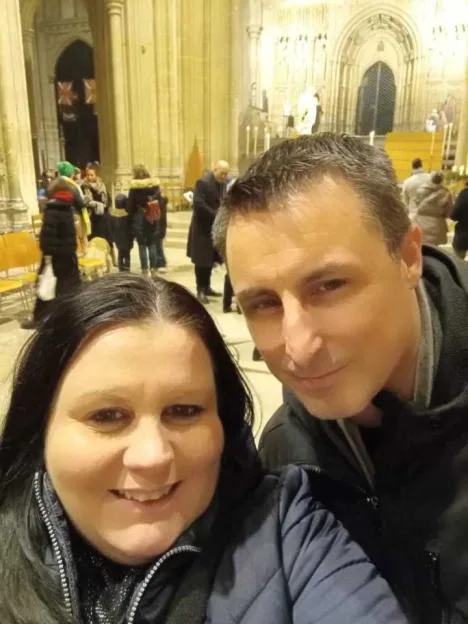
Emma, 42, was just starting to turn her life around, volunteering to work with recovering addicts, when she was found at home in Ashford,, in July 2024.
Initial police tests showed Emma had taken nitazenes but bloods weren’t taken for three weeks when no trace of the synthetic drugs were found. An inquest later ruled she had suffered a heart attack linked to years of abusing her body.
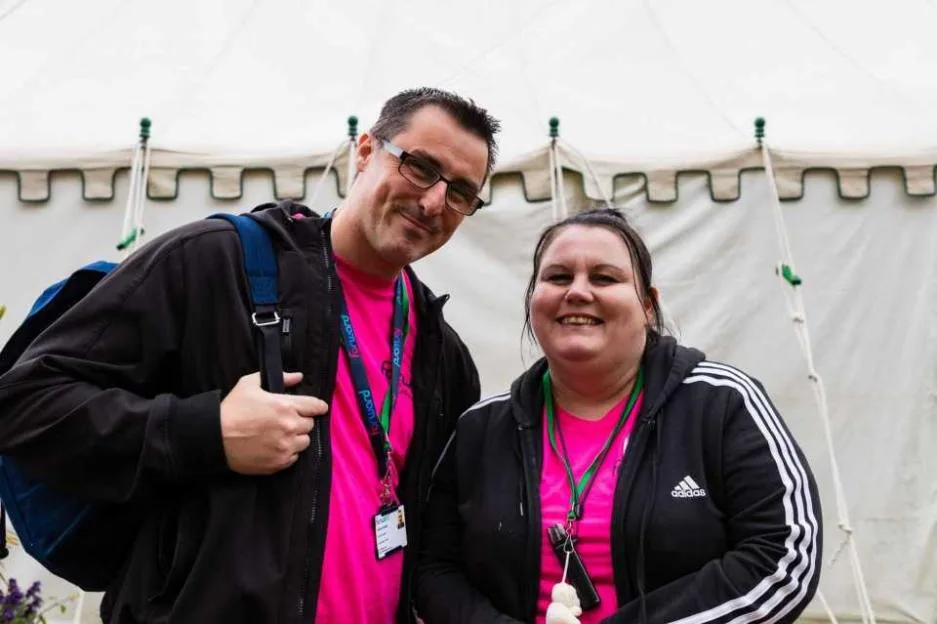
Partner Tony Deaville, 45, a voluntary worker of Folkestone, Kent, said: “It seems incredible that Emma was found holding a crack pipe, surrounded by drugs paraphernalia, yet her death will not be recorded as an opiate fatality.”
Emma’s inquest heard how just 0.01mg of cocaine per litre of blood when the fatal dose is considered to be 0.25mg.
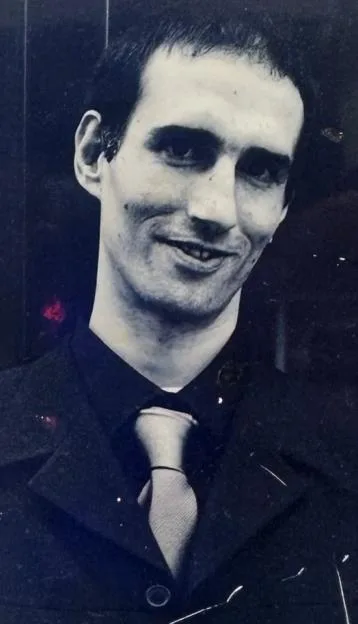
Tony said: “The police took samples on site which proved nitazenes were present so, as far as I’m concerned, that’s why she died.
“Emma was an addict for most of her life following a very traumatic childhood. She was dependent on alcohol until she was 36, then came heroin and crack.
“How many other people has this happened to? I worked in drug recovery services in one of the busiest offices in Kent and we were getting multiple deaths around the time Emma died. People were dying everywhere that summer yet the figures don’t seem to reflect that.
“If we don’t record just how many are dying from nitazenes then how do we get on top of the problem?”
Despite the official Government figures, the linked 333 deaths to nitazenes in 2024.
Researchers at King’s College, London, tested rats with the drug and found just 14percent of nitazenes stayed in their bodies for any length of time.
Lead study author and pharmacologist Dr Caroline Copeland told The Sun: “This problem could be three times worse than the statistics show.
“We don’t know why nitazenes break down so quickly. Is it a rapid breakdown? Or is it that they are coming out of the blood into other tissues? We just don’t know and more research is needed.
“Some of the drugs-related deaths registered could be down to nitazenes that are not being detected.”
Dr Copeland said that the drugs market is evolving so fast that drug users often don’t know they are taking nitazenes or other synthetic opioids.
She said: “The majority of people using nitazenes don’t realise they are. They might think they are taking diazepam, valium or oxycodone. This in itself is tricky.
“There’s a nicotine test strip which can be used on the scene by police but they aren’t well validated or rolled out as a matter of course in the UK. Postmortem blood tests can take up to three weeks.
“Without a clear picture of what’s really going on, how can you set out a clear drug policy?”
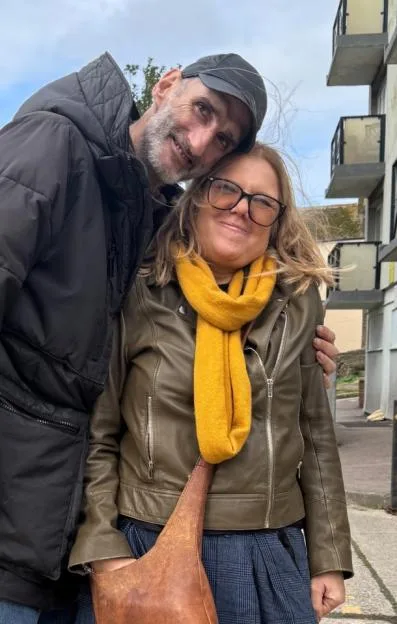
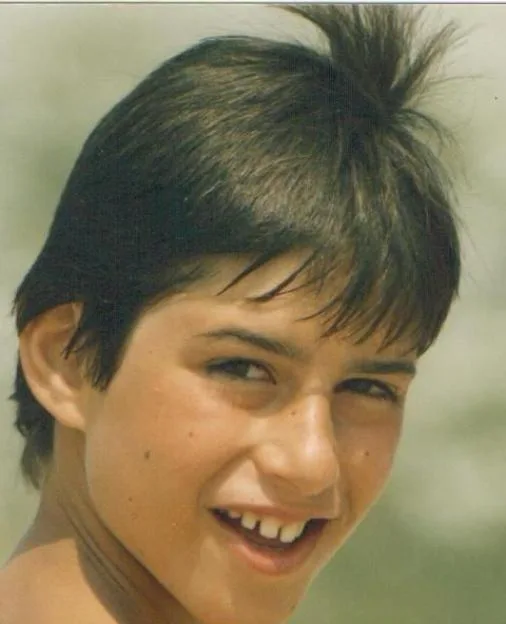
The family of a man whose death was put down to morphine use believe substances were missed in his body after blood tests took three weeks.
Antony Irvin, 52, was found dead at his home in Ramsgate in September 2025 and the Kent and Medway assistant coroner Mark Haskell said it was possible he was using some sort of synthetic opioid, but that he had no evidence of it.
It was ruled Antony died due to a combination of methadone and morphine, but his family say he had a high tolerance level for both substances after years of addiction.
Antony’s family say the “system is not fit for purpose” after the coroner said delays to testing were “not unusual”
Sister Nicola Irvin, 59, a counsellor who lives in said: “We suspect synthetics were involved in Ant’s death but we will never ever know.
“When we went to the inquest I expected to be told the three week delay for bloods and three months for toxicology to be exceptional, but it’s not.”
Mike Trace, chief executive of the Forward Trust charity , which helps those struggling with addiction, said: “We are deeply worried about nitazenes. This is a drug which is 500 times stronger than heroin and is increasingly being cut with more familiar drugs so that users have no idea they are taking it – until it’s too late.
“The truth is, we are behind the curve on this one. They have no idea about the extent of nitazene circulation because it is so hard to detect – for the police, and in post-mortem tests.
“The government needs to strengthen our drug policy responses – speed up the licensing of street drug-checking services, and make it easier for those at risk to use safely. This is a public health emergency demanding urgency, creativity and courage.”
“These statistics provide a stark reminder of the dangers of illicit drugs and the tragic toll of lives lost from taking them. While last year saw the first reduction in drug misuse deaths since 2017, the number still remains far too high.
“That is why we are continuing to work with partners across health, education, policing and wider public services to drive down drug use, make people aware of the risks, and ensure that treatment and recovery support is available.”
GETTING HELP:
If you think that you have a drug addiction then please contact your GP.
You can also visit FRANK for honest information about drugs and to find local treatment services.
If you are having trouble finding the right help, call the FRANK drugs helpline on 03001236600
Or click here to visit the NHS website for more advice and support