FAT jabs may increase women’s breast density, a leading risk factor for breast cancer, new research suggests.
It is thought that over 2 million Brits are currently using such as and Wegovy.
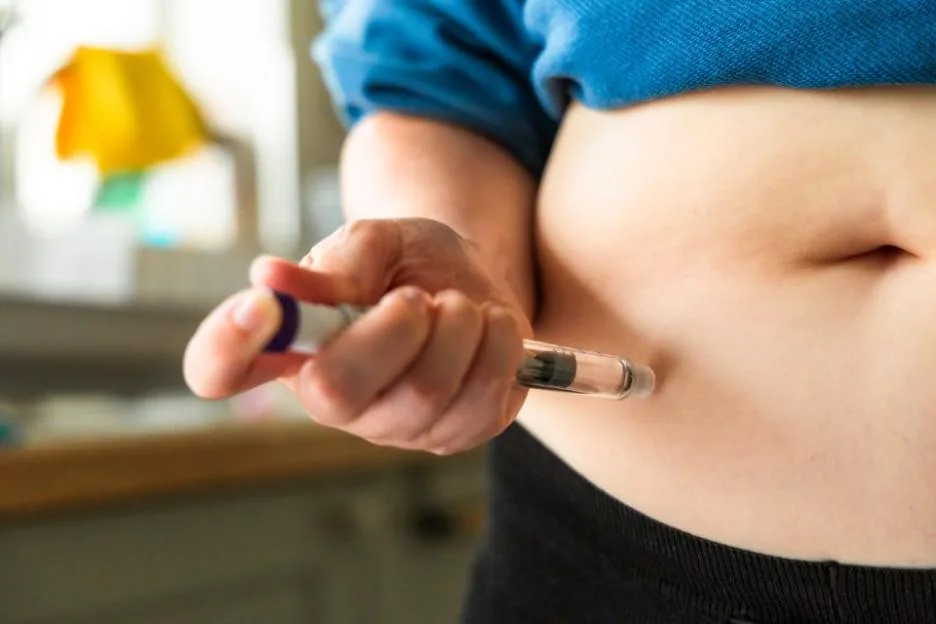
The have revolutionised the weight loss industry and while they are generally considered safe, they’re not without their side effects.
The most common include nausea, vomiting and diarrhoea but now, a new US study has suggested that losing weight on fat jabs could increase breast density.
risk is higher in women with more dense breast tissue, according to .
Women with dense breast tissue have less fat, and the researchers found that greater weight loss on fat jabs, also known as GLP-1s, was associated with a greater breast density increase.
The researchers stressed, however, that these findings don’t suggest patients should be concerned about taking fat jabs.
Dr Eva C. Gombos, the study’s lead author and a diagnostic radiologist at Brigham and Women’s Hospital in Boston, , said: “An increase in mammographic density after substantial weight loss does not necessarily mean that… breast cancer risk has increased.
“The long-term risk implications of these imaging changes remain uncertain and require further study.”
The study analysed 107 women aged between 34 and 79 who had been on fat jabs for at least one year with weight loss ranging from 2.7kg to 48.5kg.
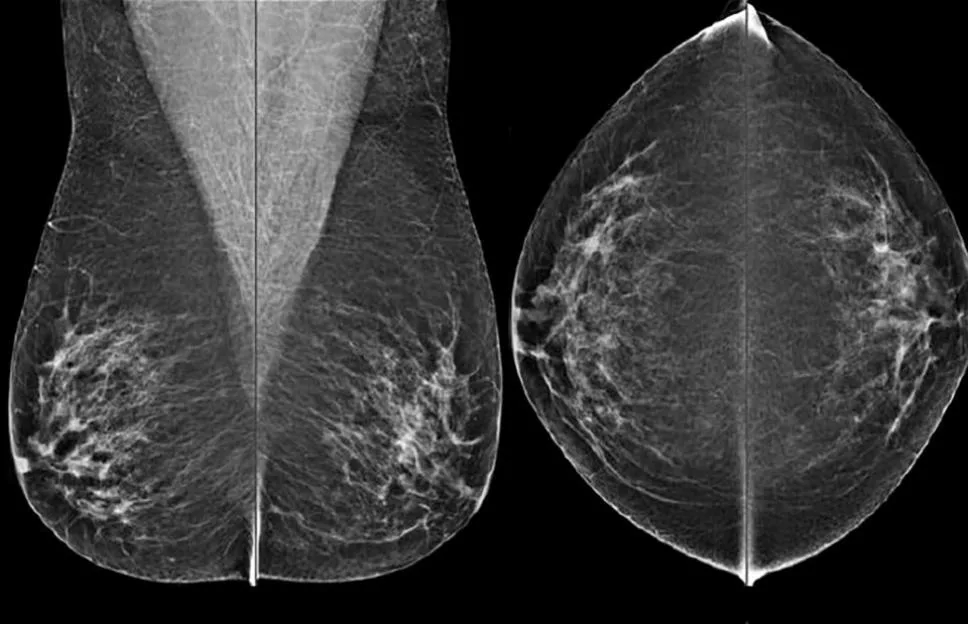
Each participant had two mammograms – a type of breast screening used to look for cancer – one before starting weight loss jabs and one after at least one year on the injections.
The women, who were assessed by radiologists, also had an automated breast-density assessment using Breast Imaging Reporting and Data System (BI-RADS) density categories.
These categories are used to assess breast cancer risk.
The researchers evaluated breast density changes in each woman – compared to their results before starting fat jabs – as well as skin and trabecular (connective tissue) thickening and breast size reduction.
They also recorded the screening recall rate, which was 22.4 per cent.
This happens when further imaging or assessment is needed to clarify findings but does not mean you have breast cancer.
Researchers found that breast density increased between the first and second mammogram after women had been on fat jabs for at least a year.
And greater weight loss was associated with a greater breast density increase.

Automated breast density also increased by at least one category in 65 of the 104 women – almost 63 per cent.
The findings also showed that breast size reduction was identified in 57.9 to 78.5 per cent of patients while skin thickening was spotted in 9.3 to 17.8 per cent of patients.
Four biopsies were recommended, but all had benign results, and all remaining recalled cases were assessed as negative or benign.
The findings are due to be presented at the annual meeting of the Radiological Society of (RSNA) in Chicago next week.
Commenting on these findings, Dr Gombos said: “To our knowledge, this is among the first studies to directly evaluate longitudinal changes in mammographic breast density using paired mammograms before and after GLP-1-associated weight loss.
“The 22.4% screening recall rate is notable, because all recalled cases were ultimately benign or negative, and all four biopsies were benign concordant.
“This may indicate that marked interval changes in breast composition after weight loss can create new asymmetries or other findings that prompt additional workup.”
She noted, however, that while higher mammographic density is generally associated with increased breast cancer risk, the increase observed after GLP-1-associated weight loss may reflect a different process.
Substantial loss of breast fat can make the remaining dense tissue appear relatively more prominent without increasing the absolute amount.
Dr Gombos continued: “Substantial weight loss may change the mammographic appearance of the breast, which could lead to additional imaging or a screening callback.”
But she stressed that “the long-term risk implications of these imaging changes remain uncertain and require further study”.
It comes as a previous study, published in May, suggested that w and lower the risk of death by up to 65 per cent.
Researchers said their findings suggested “a potential association” between the use of weight loss jabs and “improved outcomes” in breast cancer patients who are also overweight or have conditions like .
Meanwhile, research from June suggested that and treat the disease.
More than half a dozen studies at a meeting of the American Society of Clinical Oncology in Chicago found cancer-busting effects of the jabs.
One by the University of Pennsylvania showed a 30 per cent lower risk of in women who used them.