
Shocking Conditions Exposed: England's Dirtiest Hospitals Uncovered with Reports of Rats, Bed Bugs, Asbestos, and Sewage Leaks
ENGLAND’S dirtiest hospitals have been exposed, with trusts in Lancashire and Bedfordshire ranking lowest. Meanwhile, staff have laid bare horrific conditions...
 Written byEze Chidiebere Paul
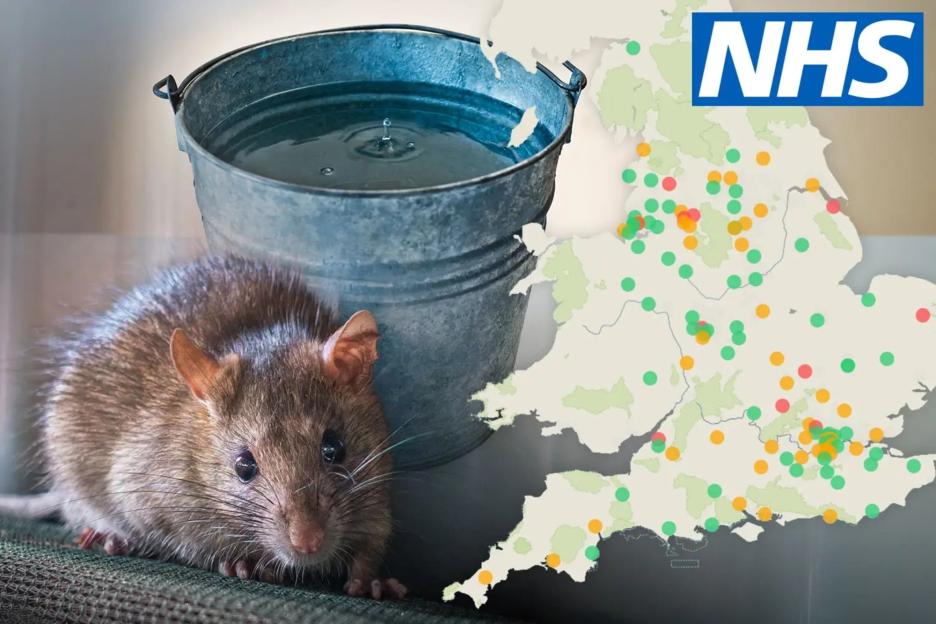
ENGLAND’S dirtiest hospitals have been exposed, with trusts in Lancashire and Bedfordshire ranking lowest.
Meanwhile, staff have laid bare horrific conditions in some hospitals – reporting rat and insect infestations, asbestos and leaking sewage in their workplaces.
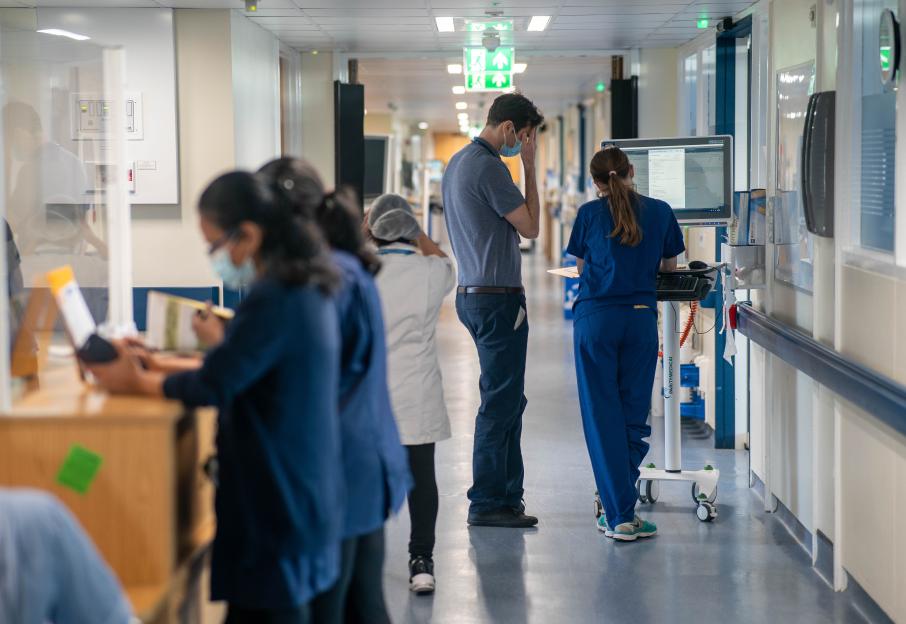 A survey of Unison members revealed rat and insect infestations in hospitals, as well as sewage leaks Credit: PA
East Hospitals NHS Foundation Trust, which runs Royal Blackburn Teaching Hospital and General Teaching Hospital, ranked lowest in the country for cleanliness, data published by NHS showed.
This was followed by Bedfordshire Hospitals NHS Foundation Trust, which operates Bedford Hospital and and Dunstable University Hospital.
The figures ranking acute NHS trusts in England by cleanliness were published in the service’s own 2025 Patient-Led Assessments of the Care Environment (PLACE) report in February.
PLACE assessments are conducted by members of the public – known as patient assessors – and staff every year.
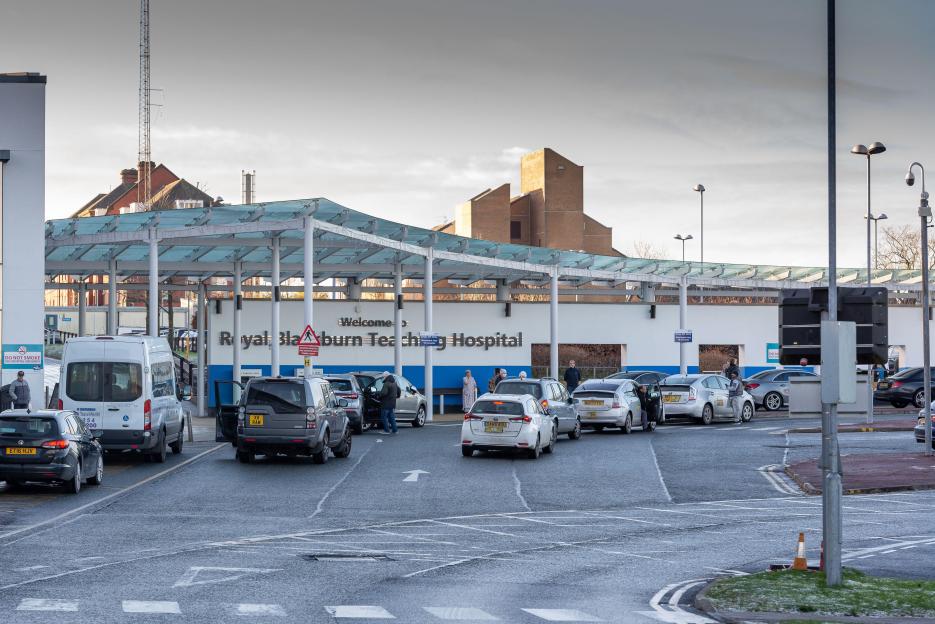 East Lancashire Hospitals NHS Foundation Trust ranked lowest in the country for cleanliness Credit: Alamy
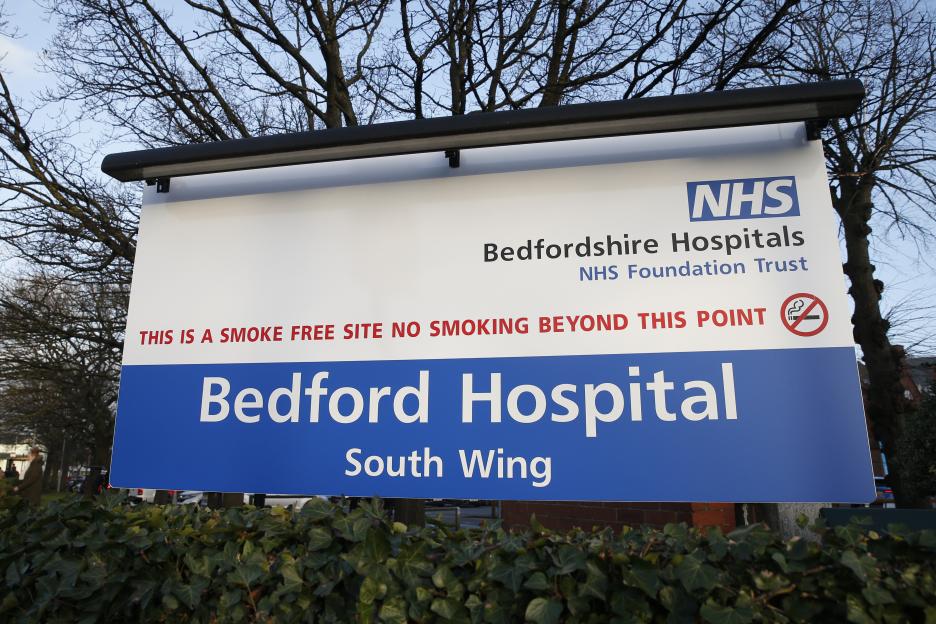 This was followed by Bedfordshire Hospitals NHS Foundation Trust Credit: Getty
Assessors will score hospitals on how clean they are, as well as other aspects of the environment in which care takes place, such as the provision of food or privacy.
A total of 1,080 checks were conducted in 2025, with the national average for cleanliness at 98.6 per cent.
All the hospitals were rated above 90 per cent, but there were clear differences between trusts.
A low score doesn’t mean that patients are getting poor care – but it might mean hospitals need to be investigated further, health service analysts said.
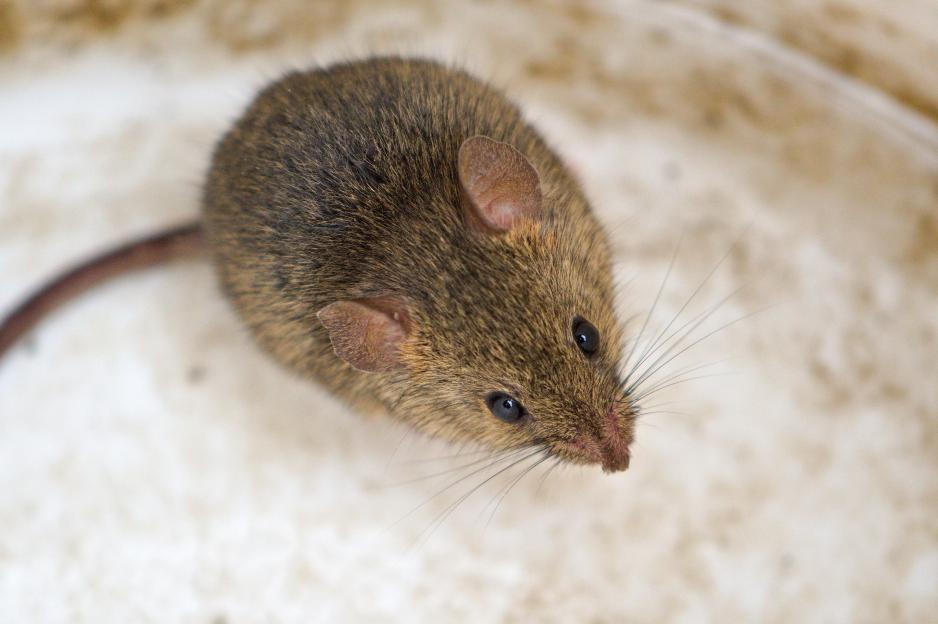 Unison members reported rat infestations in their place of work Credit: Getty
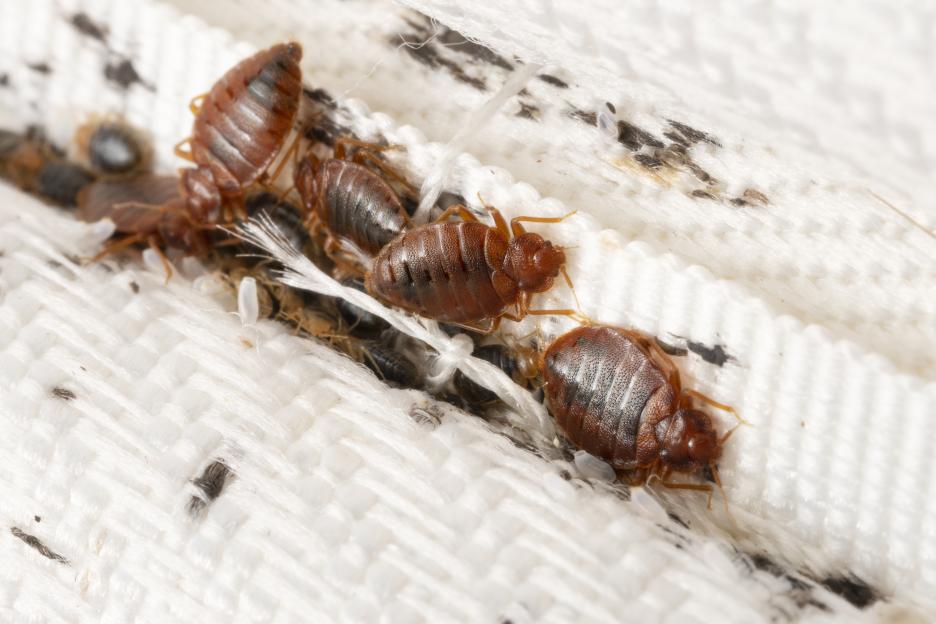 They also reported bedbug infestations Credit: Getty
It comes after 19,000 healthcare workers were surveyed by the trade union Unison.
The shock report showed that one in seven respondents said there had been vermin in their workplaces – which included hospitals, clinics and ambulance stations – in the past year.
A similar number reported infestations of silverfish, ants, bedbugs and cockroaches.
Unison said its survey revealed a concerning snapshot of a “dangerous and dilapidated” health service.
About one in seven of those polled said they feared their place of work is unsafe because of the state buildings were in.
The findings, being released at the union’s annual conference in Brighton on Tuesday, include examples of buckets on floors to catch leaking water, sewage leaks, public toilets in hospitals out of order for extended periods and staff toilets described as unusable.
One in 20 health service workers surveyed also reported asbestos had been discovered in their workplace.
And almost one in three said conditions in their place of work had worsened over the past year.
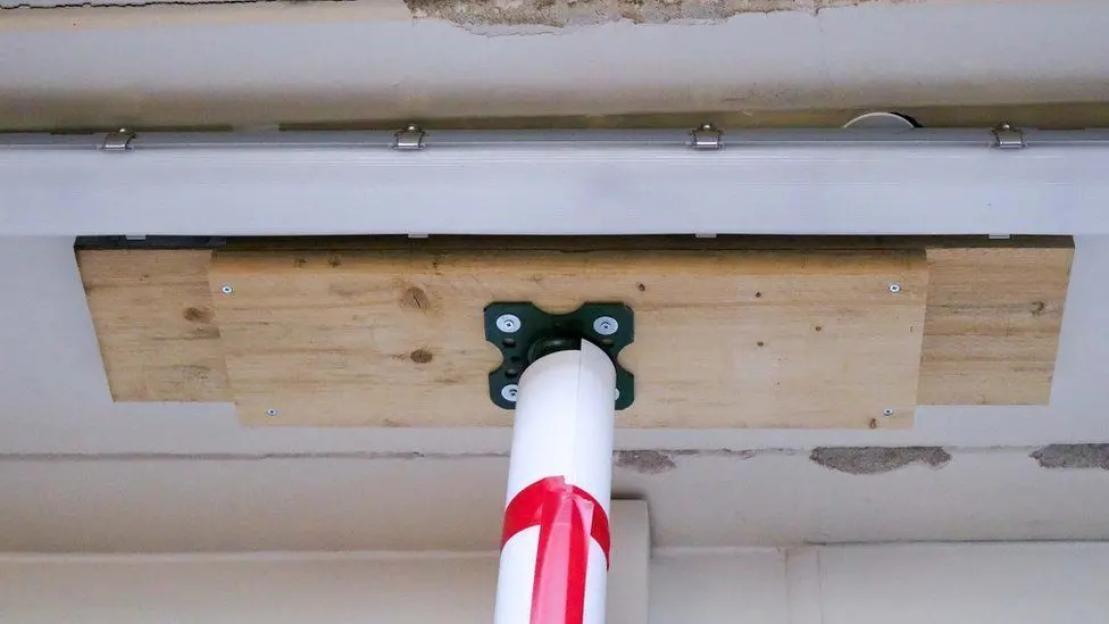 It was revealed in April that plans to fix high-risk hospitals built with RAAC have been delayed Credit: Unknown
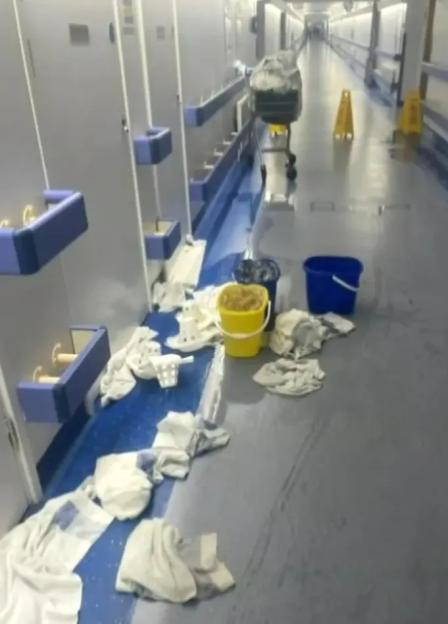 An ITV investigation from 2024 found that patient safety is being put at risk by the state of crumbling NHS hospitals Credit: ITV NEWS
In April this year, it was revealed that plans to fix crumbling NHS hospitals bult with reinforced autoclaved aerated concrete (RAAC) .
The material was used between the 1950s and 90s to build hospitals, but has since been deemed unsafe.
At least 47 hospitals were found to be built with it and in 2022, seven were listed as high priority for replacement by 2030 because they contained such a high proportion of it – putting patient safety at risk.
But plans to repair these high-risk buildings are lagging.
According to the most recent PLACE figures, East Lancashire Hospitals NHS Trust ranked at 92.6 per cent in terms of cleanliness.
This was followed at Bedfordshire Hospitals NHS Foundation Trust at 93.1 per cent and Manchester University NHS Foundation Trust at 93.3 per cent.
Next came Tameside And Glossop Integrated Care NHS Foundation Trust at 94.1 per cent, Northern Lincolnshire And Goole NHS Foundation Trust with 94.3 per cent and Buckinghamshire Healthcare NHS Trust with a score of 94.4 per cent.
A spokesperson from Buckinghamshire Healthcare NHS Trust told The Sun: “We take the cleanliness and safety of our hospitals extremely seriously, and we want to reassure our patients, their families and our communities that maintaining a high standard of care environment is a priority for everyone who works here.
“Our dedicated domestic and facilities teams work hard every day to uphold those standards.
“Our PLACE score reflects, in part, the challenges posed by our ageing estate.
“Older hospital buildings present genuine practical difficulties — from harder-to-clean surfaces and outdated infrastructure to ventilation and layout constraints — that are simply not present in newer facilities.
“These are challenges shared across much of the NHS estate nationally.
“However, we are investing significantly to change this. In 2025/26 we invested £75.3m in our hospitals and facilities — the largest single-year capital programme in our Trust’s recent history — and the first phase of our major redevelopment of Wycombe Hospital is on track to open in 2027, transforming the environment in which we care for our patients.
“These investments reflect our long-term commitment to providing facilities that are truly fit for modern healthcare.
“It is also worth noting that all trusts featured in this table scored above 92 per cent, within a relatively narrow range. A score in this range does not indicate unsafe or unhygienic conditions for our patients.
“We continually review our cleaning and facilities protocols and work closely with our teams to identify areas for improvement.
“We remain committed to providing an environment that is safe, clean and dignified for every patient in our care.”
The Sun has contacted the other trusts for comment.
By contrast Royal Papworth Hospital NHS Foundation Trust and Wrightington, Wigan And Leigh NHS Foundation Trust earned scores of 100 per cent for cleanliness.
Responding to the Unison survey, the union’s head of health, Helga Pile, said: “No patient should be cared for in filthy, insanitary and unsafe conditions.
“Staff shouldn’t have to work in such shocking surroundings either.
“This survey demonstrates how lack of funding has left the NHS estate in a dreadful mess. Hospitals should make people better, not expose them to harm from rotting rats, raw sewage and dilapidated buildings.
“Recent cuts to staffing and maintenance budgets are adding to the long-term effects of underfunding.
“To use scarce resources patching up ceilings and doing other short-term fixes to protect patients isn’t good enough.”
A spokesperson said: “These findings are disgraceful and a reminder that this Government inherited a broken NHS, with the hospital estate left to crumble – putting patients and staff at risk inside ageing facilities.
“That’s why we’re investing £30 billion over five years for maintenance and repairs, with over £5 billion specifically for the most critical cases, and tackling the backlog across the NHS estate.
“We will provide the investment and reform needed to get patients the care they deserve, in safe hospital buildings fit for purpose, and give staff facilities which match their abilities.”
Continue reading

Should fried food and Coco Puffs be off the menu at schools? Two parents go head-to-head
SCHOOL kids’ traditional fish-and-chip Fridays could become a thing of the past. including fried eggs, pizzas, and Coco Pops, to make room for healthier alte...

Fat jabs have turned me from 22st binge-eater into a sex machine having 6-HOUR romps… what happened when I came off them
AT her lowest moment, Lizz Adair was eating herself into an “early grave” at 22 stone, scoffing takeaways for dinner followed up by a family-sized Galaxy bar or...

The 23p fruit you need to scatter over your lawn this winter to stop weeds growing on grass
NOW that we’re officially into autumn, it’s time to prepare our gardens for the colder months ahead. And the wet and icy seasons are the perfect time to tackle...

I had no idea an OTC COLD REMEDY could leave me in the grips of horror 10-year addiction… don’t make my, common, mistake
WHEN Louise Gough went into a chemist to find medicine for a cold at the age of 18, she didn’t imagine she’d still be using it ten years later. The 30-year-old...