
"5 Warning Signs You Might Have Caught Cyclosporiasis While Traveling – Urgent Alert for UK Travelers!"
AS cases of an explosive diarrhoea-causing parasite – wreaking havoc in the US – are now surging among UK travellers, there are five key signs Brits need to loo...
 Written byEze Chidiebere Paul

AS cases of an explosive diarrhoea-causing parasite – wreaking havoc in the US – are now surging among UK travellers, there are five key signs Brits need to look out for.
Symptoms can be difficult to tell apart from a normal stomach bug, but if left untreated, the illness can take much longer to recover from.
There are five key symptoms of the explosive-diarrhoea causing parasite to be aware of Credit: Centers for Disease Control and Prevention
 Other than diarrhoea, the infection can also cause stomach cramps and loss of appetite Credit: Getty
is an intestinal infection caused by the cyclospora parasite that causes watery and sometimes explosive diarrhoea, , loss of appetite and .
It’s usually picked up from consuming contaminated water or food – often fresh produce like salad, herbs and soft fruit.
Up until this week, an outbreak of the parasite was only causing chaos in the US, not the UK.
But yesterday, the UK Health Security Agency (UKHSA) published figures which revealed that in the space of two and a half months.
Of the cases, 48 reported travel to , many of whom stayed in all-inclusive resorts in holiday hotspots such as Cancún.
Thirty cases were in people returning to , 27 to and 10 to .
The cases were between April 30 and July 15 this year, according to UKHSA, with one traveller reporting travel to the US and another to .
Further investigations around the cases are ongoing, the UKHSA said.
 Travellers returning from all-inclusive resorts in Mexico are reporting symptoms of cyclosporiasis Credit: Getty
 Top 5 symptoms of Cyclosporiasis
Symptoms of cyclosporiasis tend to appear a week after getting infection, but they can take longer to strike.
They can include:
- Frequent watery, runny or “explosive” diarrhoea
- Loss of appetite
- Stomach cramping, including burping, bloating and farting
- Nausea
- Extreme tiredness
People might also experience muscle aches and a high temperature.
So, with cases now much closer to home, here are of the infection that you should know.
Firstly, it’s important to note that symptoms of cyclosporiasis don’t hit straight away after coming into contact with the parasite, the Centres for Disease Control and Prevention (CDC) say.
People tend to experience symptoms about one week after consuming contaminated food or drink, although this period does range from two days to two weeks.
The main symptoms are frequent , loss of appetite, stomach cramping – including burping and bloating, nausea and .
Others can include weight loss, vomiting, a , body aches and a fever.
Without treatment, symptoms can last up to a month, and sometimes even longer.
Notably, some symptoms like diarrhoea may go away but then later return – making it .
And symptoms like fatigue can continue even after the gastrointestinal symptoms have stopped, the CDC say.
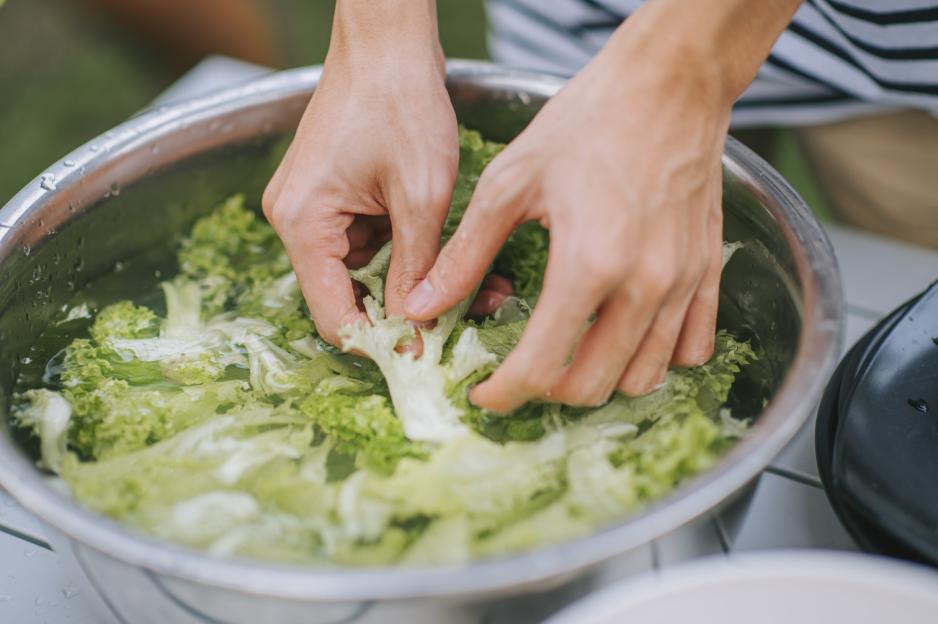 Lettuce could be a potential source of the infection in the US Credit: Edwin Tan
 Fresh, uncooked fruit like raspberries could also carry the parasite in outbreak areas Credit: Getty Images
Young children, the elderly, and those with compromised immune systems are most at risk from the infection.
The illness is not usually life-threatening and can typically be combated with , but symptoms may take a long time to go away if they’re not treated.
Cyclospora doesn’t naturally occur in the UK and there is no risk of it spreading from person to person.
But UKHSA said it expected cases of the bug linked to travel to Mexico to increase.
There might also be a spike in cases in people returning from the US to the UK as the outbreak continues there, it added.
Dr Philip Veal, consultant in travel at UKHSA, said: “Travellers to Mexico and other areas where the infection is more common can reduce their risk by following good food and water hygiene measures, including drinking bottled water and eating thoroughly cooked food, even when staying in high-end all-inclusive resorts.
“We also advise avoiding certain foods such as fresh uncooked berries and herbs, unpeeled fruit and salad items.”
“If you develop symptoms after returning from travel, such as watery diarrhoea, loss of appetite, weight loss, stomach cramps or pain, bloating, increased wind, nausea, fatigue or other flu-like symptoms, please seek medical attention and inform your healthcare professional of your travel .”
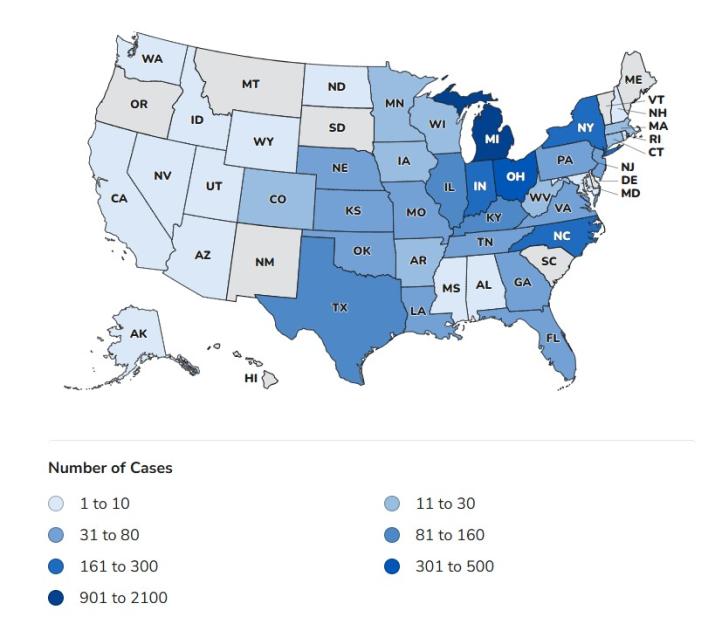 A map, from last week, showing the extent of the cyclosporasis outbreak in the US Credit: CDC
 Officials have been investigation whether the outbreak in the US could be linked to lettuce added to meals at Taco Bell Credit: Shutterstock Editorial
So, how did we get here?
An outbreak of the cyclospora parasite began in the US after infections started cropping up in early May.
The CDC has now received reports of 6,707 laboratory-confirmed cases of cyclosporiasis across 45 states.
But it has said it is aware of more than 11,500 additional cases requiring further .
Michigan is one of the worst affected states, with 10,386 cases reported as of July 30 .
The US Food and Drug Administration has linked the outbreak to iceberg lettuce from the producer Taylor Farms, which has its base in Mexico.
But given the size of the outbreak, authorities are still searching for other potential sources.
Consumers in the US have been steering clear of restaurant chains like , which used affected lettuce products, and buying fewer fresh greens in supermarkets – as the parasitic outbreak fuels alarm over what is safe to eat.
Previous outbreaks of the infection have been linked to fresh produce like herbs – think coriander (or cilantro) and basil – bagged salads and raspberries, which can be difficult to wash.
Continue reading

We were fined £640 for taking our kids to Disney World when school ‘was closed due to heatwave’
A COUPLE have spoken out after being slapped with a £640 fine for taking their children to Disney World during term time – despite their school being closed....
Full list of all 243 NHS medicines in shortest supply as drugs crisis deepens – is yours on the list?
BRITS are continuing to face severe shortages of NHS medicines as supply issues remain. Drug shortages reached a record high earlier this year with pharmacies...

Should fried food and Coco Puffs be off the menu at schools? Two parents go head-to-head
SCHOOL kids’ traditional fish-and-chip Fridays could become a thing of the past. including fried eggs, pizzas, and Coco Pops, to make room for healthier alte...

Fat jabs have turned me from 22st binge-eater into a sex machine having 6-HOUR romps… what happened when I came off them
AT her lowest moment, Lizz Adair was eating herself into an “early grave” at 22 stone, scoffing takeaways for dinner followed up by a family-sized Galaxy bar or...