STARGAZERS could be in for a treat this week as the Draconid meteor shower lights up the night sky.
The is already active and is expected to reach its peak in the early hours of Friday, October 9.
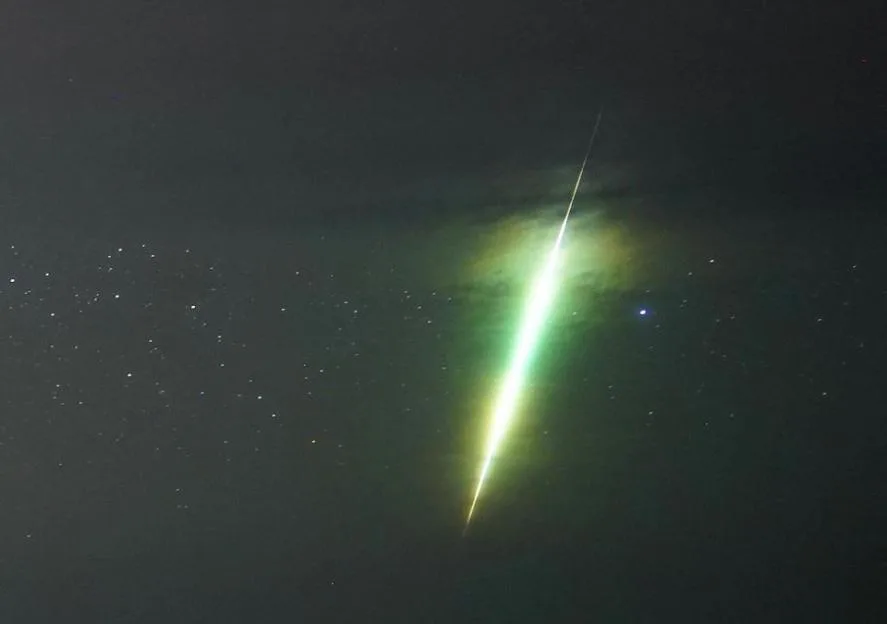
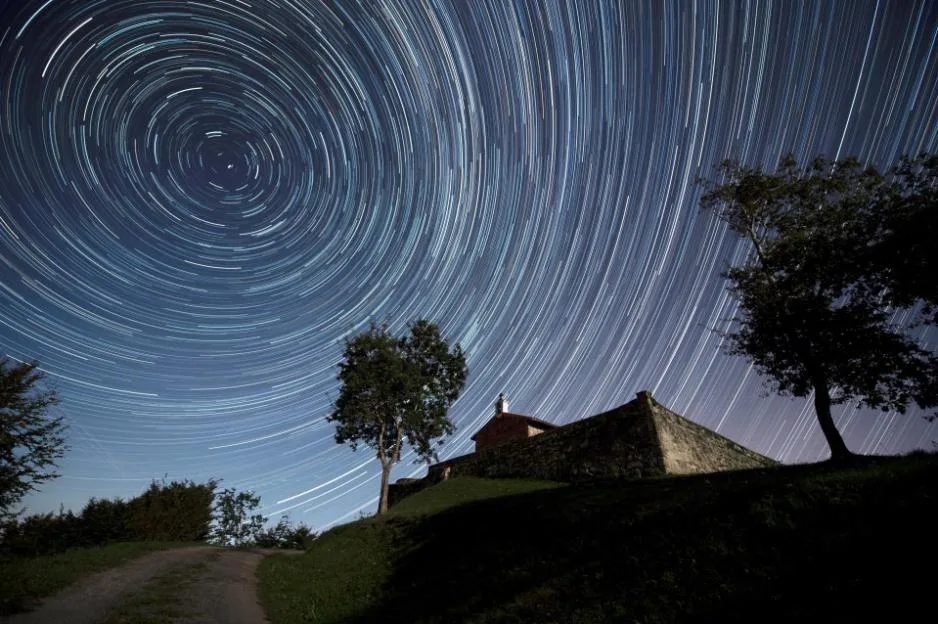
And skywatchers have a big advantage this year – an almost moonless sky providing a much better chance of spotting the generally faint meteors.
Here’s everything you need to know the 2026 .
When is the Draconid meteor shower 2026?
The is active from October 6 to October 10.
The International Meteor Organisation predicts its maximum at around 2am on October 9 in the .
However, unlike many meteor showers, you don’t necessarily need to stay up until the early hours to see it.
are particularly well suited to evening viewing because their radiant – the point in the sky from which they appear to originate – is highest soon after darkness falls.
That means it is worth heading outside after nightfall on Thursday, October 8, and again on Friday evening if skies are clear.
should cause very little interference this year, with a following on October 10.
Where can you see the Draconid meteor shower?
are best seen from the , making the UK well placed for the display.
The meteors appear to radiate from Draco, a constellation traditionally imagined as a dragon in the northern sky.
Its “head” is a small four-star pattern, with the bright stars Eltanin and Rastaban marking the dragon’s eyes – the radiant point lies close to Draco’s head in the north-western sky.
However, you do not need to find the constellation itself to see the meteors.
They can streak across any part of the sky, so finding somewhere dark with a broad, unobstructed view will give you the best chance of spotting one.
How can you see the Draconids?
No telescope or binoculars are needed to view this year’s celestial showpiece.
In fact, they can actually make seeing anything tougher because such equipment restricts how much of the sky you can see.
Find the darkest location you safely can, away from streetlights and other sources of light pollution, and give your eyes time to adjust to the darkness.
Avoid repeatedly looking at your phone – even on the lowest brightness settings – while watching.
Clear skies are essential, so it is also worth checking your local forecast before heading out.
The Draconids are normally a relatively modest shower.
The International Meteor Organization gives a predicted zenithal hourly rate – the number of meteors you could see in an hour under perfect viewing conditions – of around five meteors an hour this year.
While says rates can reach around 10 an hour under ideal conditions.
What causes the Draconid meteor shower?
The Draconids occur when Earth passes through debris left behind by Comet 21P/Giacobini-Zinner.
Tiny particles enter the Earth’s atmosphere and burn up, producing the bright streaks commonly called .
Draconid meteors are unusually slow-moving compared with those from many other showers.
The display is generally quiet, but it has produced spectacular meteor storms in the past, notably in 1933 and 1946.