THE family of a young Dad have told of their heartbreak after he mistook his deadly cancer for acid reflux.
James Bainbridge, 35, started suffering from acid reflux and lost a lot of weight in February and after his symptoms failed to improve, he visited his .
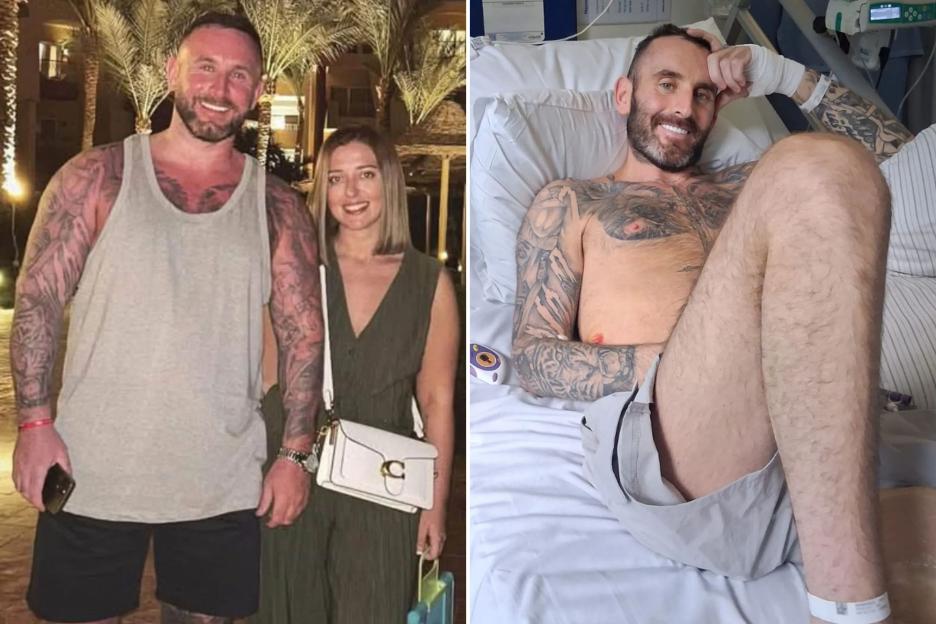
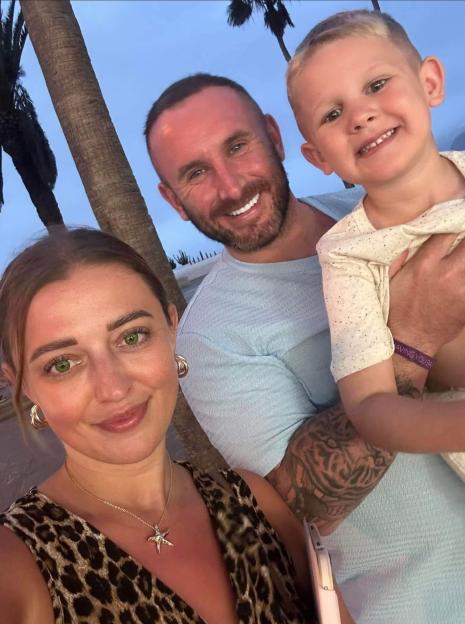 James first began suffering symptoms earlier this year in February Credit: Kennedy Newsand Media
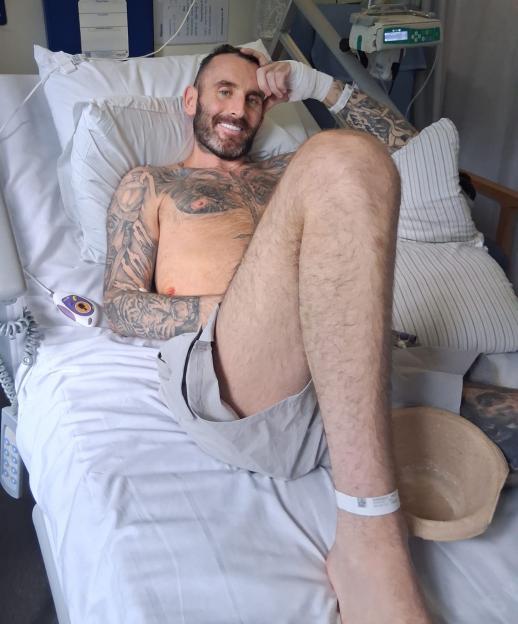 He initially noticed he had lost a dramatic amount of weight and thought he had acid reflux Credit: Kennedy Newsand Media
His family claim that doctors initially believed the forklift driver simply had a hernia.
But, tests in April then revealed the devastating truth – he had an aggressive form of stomach cancer, known as linitis plastica.
James’ cancer, which has also been dubbed “leather bottle stomach” because the stomach wall becomes thicker, was stage four.
This meant it was incurable and had spread to other parts of the body.
Now, the Dad-of-one from , North Yorkshire, is undergoing chemotherapy and immunotherapy and relies on a feeding tube.
James’s twin brother welder Tom Bainbridge, 35, has set up a GoFundMe page in an effort to help with living costs and to give James the best chance to spend as much quality time with his seven -year-old son.
Recalling how James told him about his diagnosis, Tom said: “It was the worst phone call, he just rang me and went ‘Tom I’ve got cancer and it’s everywhere’.
“It was tough to hear, I didn’t know what to say to him. He found it out all by himself.
“I think that phone call will haunt me for the rest of my life.
“He looks like the pictures from the world war when you see their faces – he’s just a different person.”
 James, pictured with partner Jessica, is now undergoing chemotherapy and immunotherapy Credit: Kennedy Newsand Media
James, who is engaged to fiancée Jessica Hill, began three rounds of chemotherapy at the end of May and is waiting to see if he’s responding to treatment.
Since setting up the , Tom has raised over £17,000, which he hoped may also help fund specialist treatment overseas.
Tom said: “He’s very proud and I knew he wouldn’t ask for help.
“I’d never forgive myself if I never tried to do something to help him.”
In a comment Jessica wrote: “He [James] is blown away by the support he’s getting and didn’t expect it at all.
“He’s had a scroll through last night and read some comments and seen the donations coming through and is so overwhelmed by the number of people there is, not only people we know, but complete strangers.”
Stomach cancer is the 16th most death in the UK.
Around 6,800 people are diagnosed with stomach cancer in the UK each year, with diagnoses falling since the 1990s, according to .
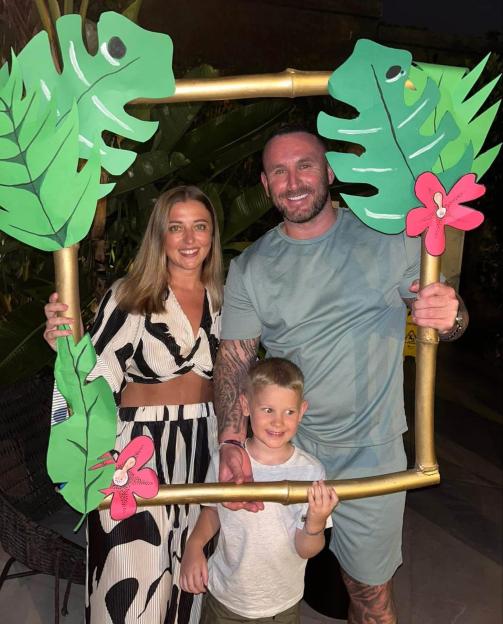 Pictured, James with Jessica and his seven-year-old son Alfie Credit: Kennedy Newsand Media
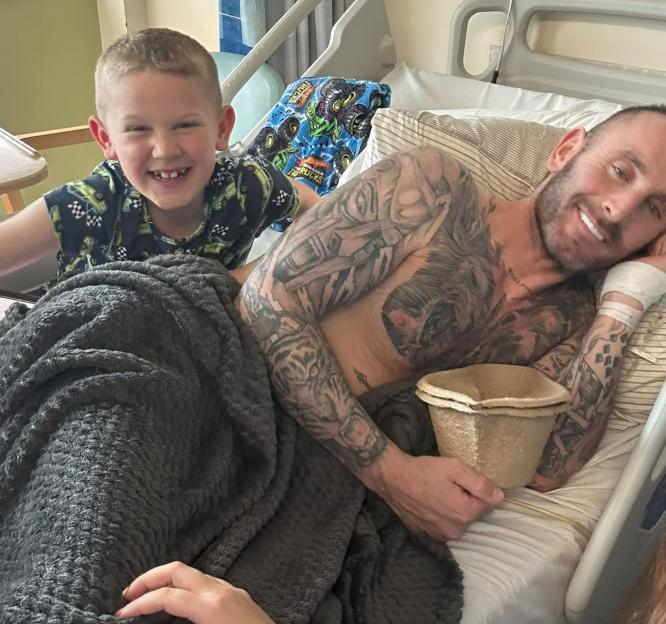 James is waiting to see if he is responding to treatment Credit: Kennedy Newsand Media
It’s more common in older people – with nearly half of cases occurring in those over 75 – and more men get it than women.
England , who revealed he had stage four stomach cancer in June, passed .
The 75-year-old first disclosed his .
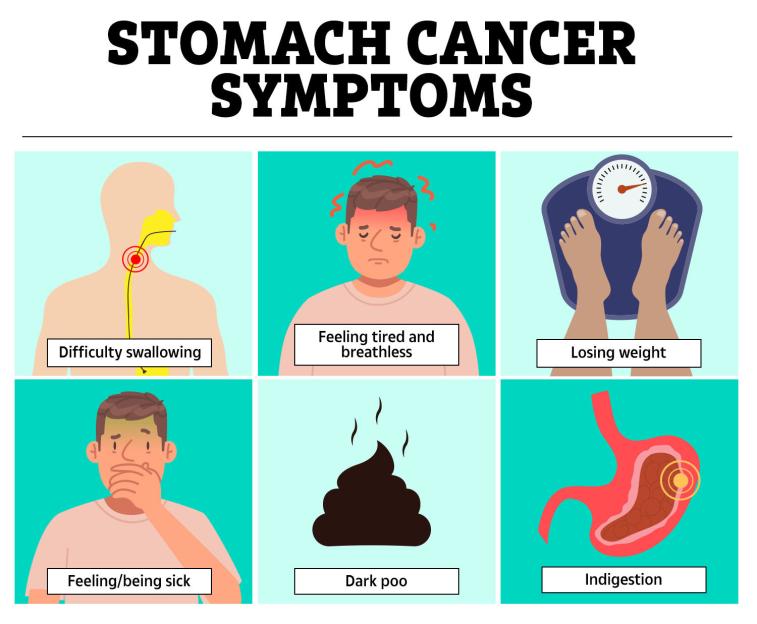
Early warning signs of stomach cancer can be vague and easy to dismiss.
Rather than triggering alarm, these symptoms are often brushed off as stress, diet or minor digestive issues.
Left undetected, however, the cancer can silently invade deep into the stomach wall before spreading elsewhere in the body.
And once it does, the outlook is bleak. Just 37 per cent of patients survive for five years after being diagnosed.
Treatment typically includes surgery and chemotherapy. It may also include radiotherapy, and treatment with targeted medicines.