HOUSEHOLDS across the UK are bracing for a minor disruption to their sleep schedule, as the clocks are set to change by an hour this weekend.
British Summer Time (BST), also known as Daylight Saving Time, is coming to an end on Sunday, October 25.
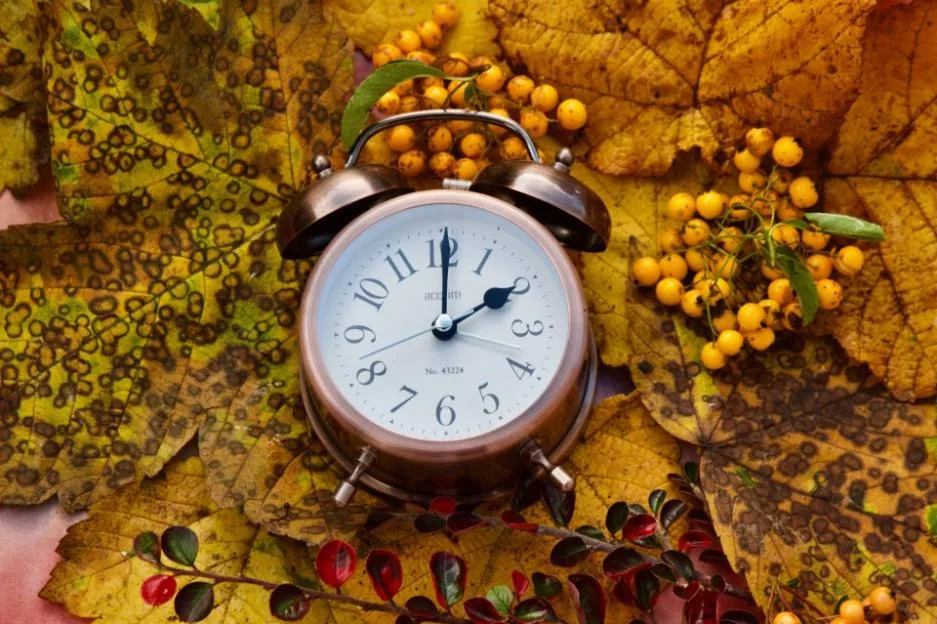
The whole of the UK will subsequently transition into , which will stay with us until March 28, 2027.
Currently, there are no plans in the UK to get rid of the , which has been in place since 1916.
Are the clocks going forward or back this October?
The clocks usually go back an hour during the last weekend of October, which is normally good news for partygoers celebrating Halloween.
However, that is not the case this year when the clocks are
While most digital clocks, including your phone and smartwatch, should change automatically, some analogue clocks and home appliances may need a manual adjustment.
That means you will need to set the time back by an hour on .
The clocks will not go forward until Sunday, March 28, 2027.
Will I get an extra hour in bed when the clocks change?
The transition from BST to GMT and vice versa is traditionally implemented in the middle of the night when most people in the UK are asleep.
This year, the change happens at 2am on Sunday, October 25.
That means that if you go to bed and wake up at your usual time, you will end up with one more hour of without sacrificing any time of your day.
Essentially, we are all borrowing this extra hour from ourselves, which we will have to pay back again in March.
While gaining an can serve as a temporary boost, the overall time shift comes with drawbacks.
Exposure to is proven to make you feel more alert during the day and sleep better at night.
On the other hand, though, the sudden loss of evening light can also lower your mood and trigger .