EMERGING from a branch of Greggs with her baby granddaughter in a buggy, Norma Stevens gets straight to the point: “Kids love fast food,” she says.
Here in Gateshead which is a hotspot for childhood , that certainly appears to be the case.
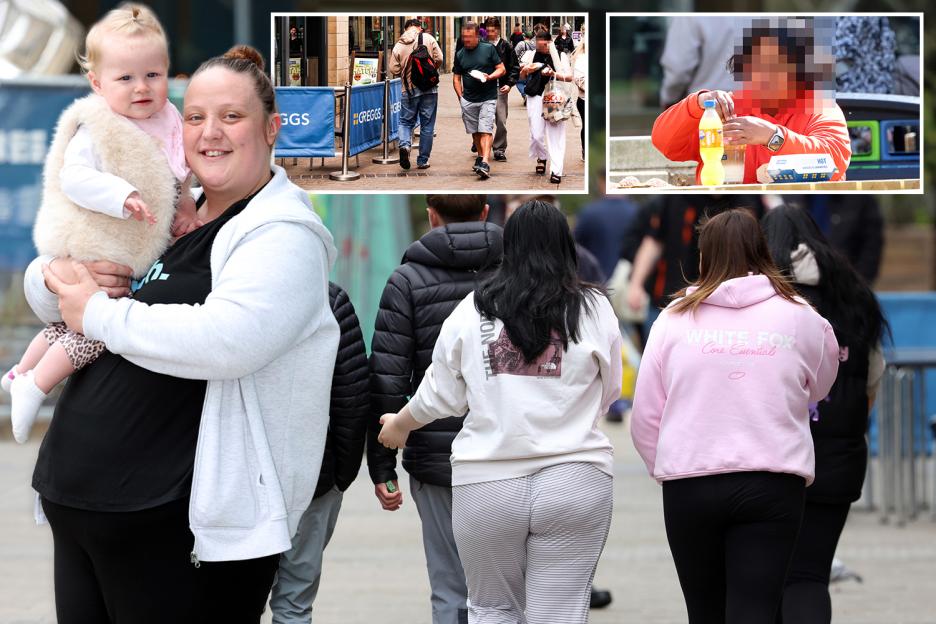
 Locals stroll the streets in the northern town of Gateshead which has come under the spotlight for its official obesity figures Credit: Glen Minikin
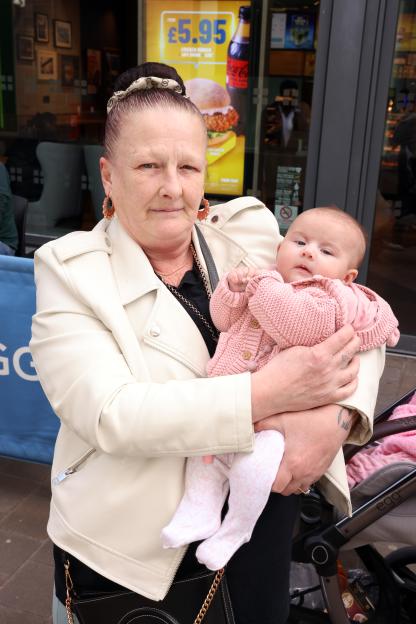 Norma Stevens with granddaughter Renee McAdam is not surprised child obesity has become a problem in the town Credit: Glen Minikin
The latest figures show almost a quarter (24%) of the Tyneside town’s 10-11-year-olds are overweight or obese – compared with 22.2% nationally.
Seventy per cent of the town’s adults were in the same category.
Perhaps it isn’t all that surprising when the local health authority shared guidelines to parents advising them to wean kids on chocolate buttons and Wotsits.
In guidance published on their website, the Gateshead Health Foundation Trust published a list of items under a section titled ‘Bite and Dissolve’ for children “struggling to accept lumps in food”.
The list included Wotsits, Skips, Pom Bear crisps, ice cream wafers, Cadbury Buttons and prawn crackers.
It was swiftly withdrawn following a public outcry.
Mum Georgia Dempsey, 32, out with one-year-old daughter Beaux in her buggy, said: “I couldn’t believe it when I heard what they had published, it makes you wonder who’s in charge of public health.
“I have to admit that I have put on a stone or two in baby weight but when it comes to what Beaux eats I am very careful to make sure she gets her veggies and multi vitamin juice.”
Giving nine and a half week-old baby Renee a big squeeze under Greggs’ famous blue and yellow logo, Norma, 63, is not surprised child obesity has become a problem in the area.
She says: “It’s hardly surprising kids put weight on when there’s a on every corner.
“It’s easy for them to grab a pasty on their way to school for breakfast, especially if their mums and dads have got big families and not much to go round.
“Unfortunately it’s cheaper to eat convenience foods than it is to make healthy food at home.”
Her daughter Abbie McAdam, Renee’s mum, follows her out of the outlet, with pasties and treats for them to eat over a cup of tea in the cafe at the nearby Tesco Extra.
Abbie, 31, says: “I’m like most mams, I do my best to provide healthy food for my kids.
“I’ll do things like spaghetti bolognese, chicken wraps and salads. But veg is expensive and in places like this in the North East that’s often a really big deal to families.
“You can understand anyone giving their child a sausage roll instead of something made at home when it’s quick, easy and it costs half the price.”
Lisa Moore, 54, walks through the town centre with her mum Enid Porthouse, 76, niece Abbie Porthouse, 20, and grandchildren Freddie, two and a half and Grace, five months.
Lisa said: “No one should ever sit in judgement over parents who are unable to afford to feed their children healthy meals every day.
“You only have to look around you to see the number of cheap alternatives to cooking at home when everything is just so expensive.
“Fast food is cheaper than buying lots of fresh fruit and vegetables and then spending a fortune on gas or electricity to cook them.
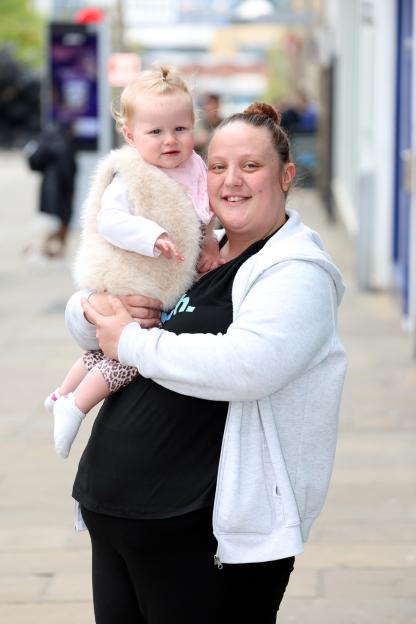 Georgia Dempsey, 32, has criticised the NHS guidance. Pictured above with one-year-old daughter Beaux Credit: Glen Minikin
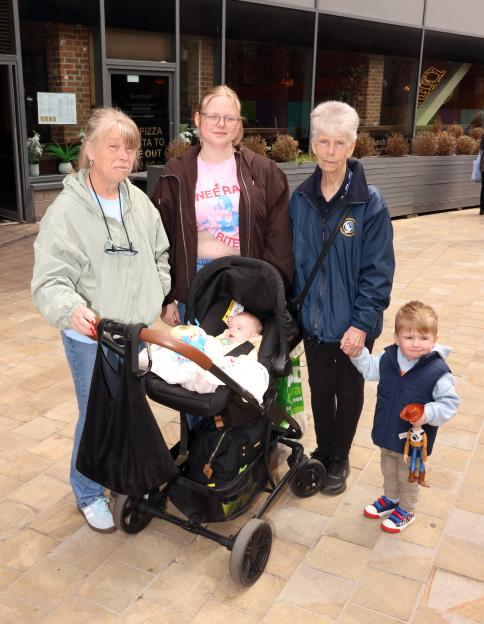 Lisa Moore, left, with mum Enid Porthouse, niece Abbie Porthouse and granddaughters Grace, five months and Freddie, two and a half Credit: Glen Minikin
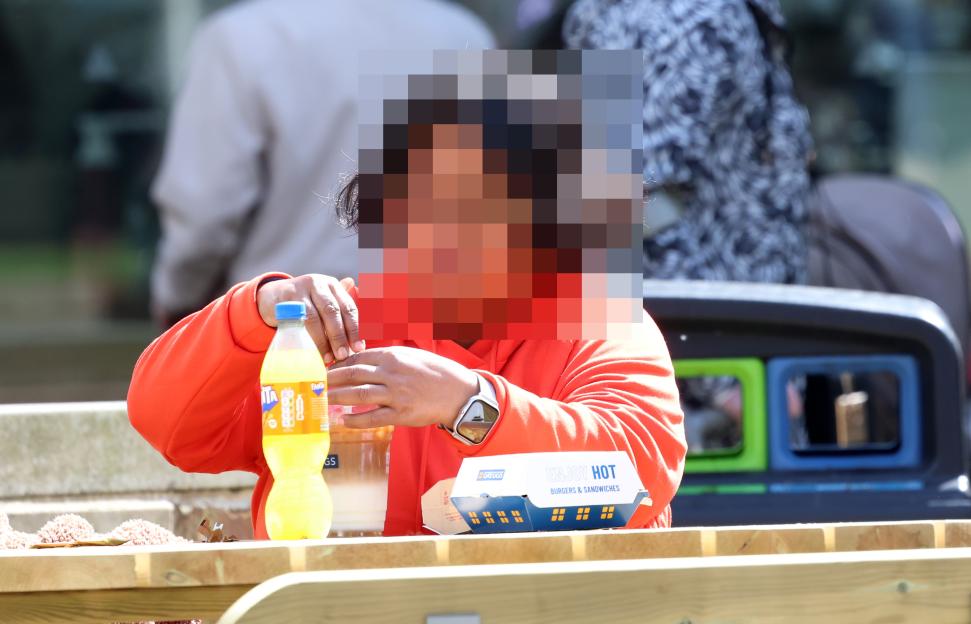 Seventy per cent of the town’s adults were in the same obese category Credit: Glen Minikin
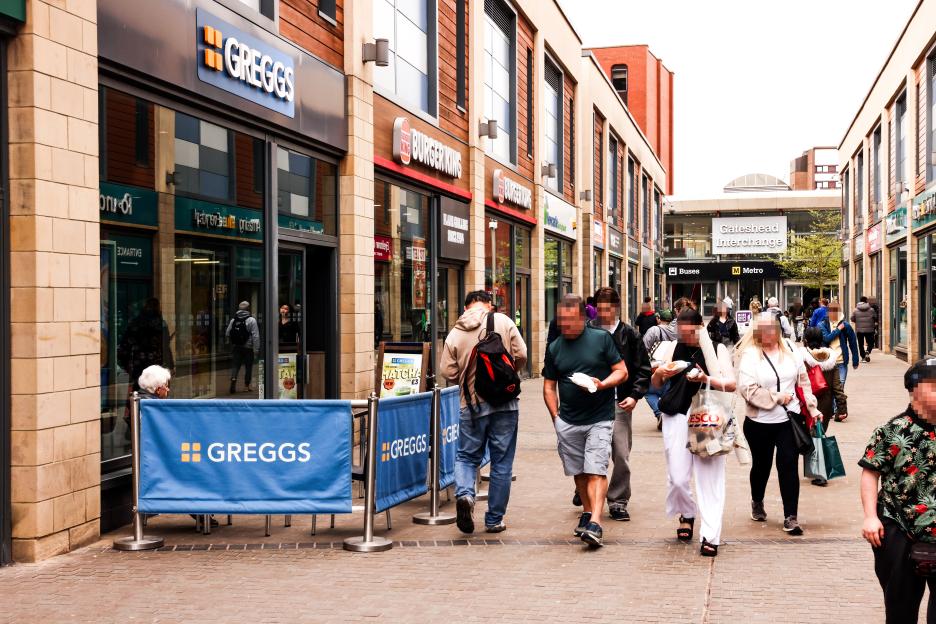 Locals in Gateshead blame this on the fact fast food is cheaper than fruit and veg
“For some people that just isn’t possible and if you’re looking for reasons why those figures exist in Gateshead, that’s your answer.
“I worked in a school where some of the children didn’t know what a traditional Sunday lunch was.
“That’s not because their parents didn’t want them to have one, it’s because the cost of the ingredients is too high for families to consider when the is as high as it is.
“It comes down to what people have to spend from their weekly budget and sadly in too many cases that isn’t very much.”
Abbie added: “There’s a or a Greggs within easy reach of any of the council estates in Gateshead. They’re cheap and convenient so people will use them.”
Children in the most deprived areas are more than twice as likely to have obesity by the time they leave primary school compared to their peers in affluent areas.
Young dad Charlie Deary is determined his baby son Oliver, aged nine months, won’t become part of Gateshead’s childhood health timebomb.
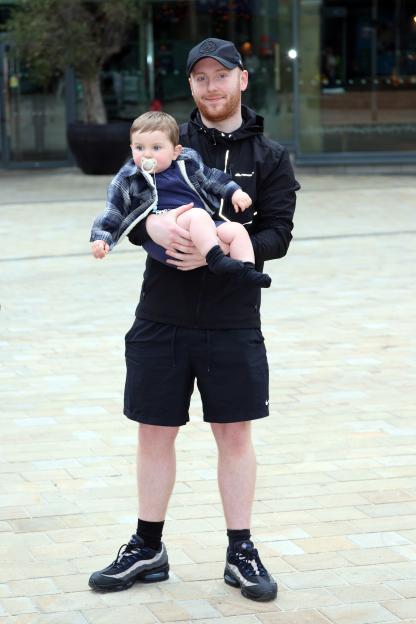 Charlie Deary says he is already instilling healthy eating habits and is pictured with son Oliver, who is almost one Credit: Glen Minikin
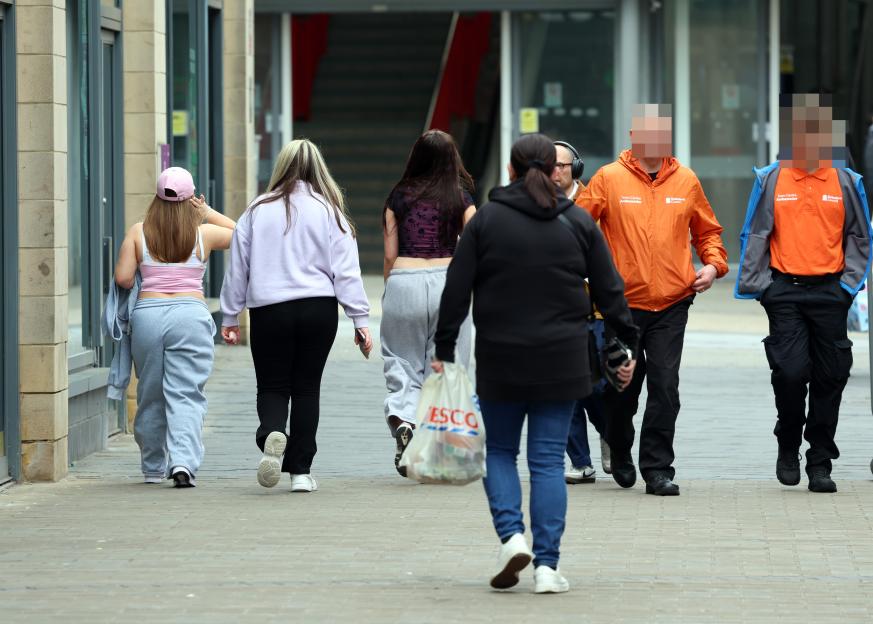 Latest figures show nearly a quarter (24 per cent) of ten and 11-year-olds in Gateshead, Tyne and Wear, are overweight or obese Credit: Glen Minikin
Charlie, 22, says it falls to parents to instil good habits, as he does with ten-month-old son Oliver.
He said: “Oliver is fed as healthily as possible, he gets his five a day and all the healthy stuff he needs in his baby milk.
“I want him to grow up fit and healthy and as a parent that’s really the best thing you can do for your child when they’re still only a baby.
“It’s down to the parents to make healthy choices for the kids when they’re little so that they grow up with good habits.”
In the town’s Trinity Square, one mum takes the weight off her feet and her shopping bag spills open.
When packets of crisps and biscuits spill out onto the pavement she hastily scoops them back inside her carrier bag.
On the contrary to the overall picture that emerged during our visit, Gateshead Council says one of its policies has been proven to have lowered childhood obesity in the town.
In 2015, the council’s planning team introduced a policy stopping any existing property that wasn’t already fast-food-related being turned into a takeaway.
New research led by Lancaster University has shown the council’s efforts to restrict new fast-food outlets have been associated with fewer overweight children in Gateshead, particularly in areas where higher numbers of takeaways already exist.
The council points out that by comparison to other areas in the North East which did not make a similar policy change, some parts of Gateshead saw a 4.8% drop in childhood obesity.
The Health Determinants Research Collaboration (HDRC) Gateshead team played a key role in the study, making sure the research was relevant to the borough and residents. The team provided a bridge between the council and universities involved to ensure the researchers understood the local context our council officers work in.
Alice Wiseman, Director of Public Health for Gateshead and Newcastle, said: “Creating environments which support access to healthy affordable food is one of the biggest public health missions of our generation.
“The challenge of healthy weight and access to nutritious food is complex, ever-changing, and hard to resolve. There is no silver bullet, and several interventions are needed to create real, impactful, and lasting change.”
Little Evaleigh-Grace Donkin, 16 months, was happily munching on an apple as her mum Alisha Ruddick, 23, pushed her through the town centre in her buggy.
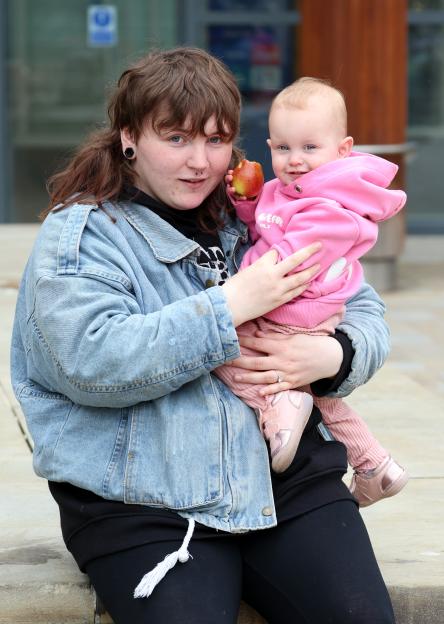 Alisha Ruddick and daughter Eva Leigh-Grace Donkin who was seen eating an apple on the streets of Gateshead Credit: Glen Minikin
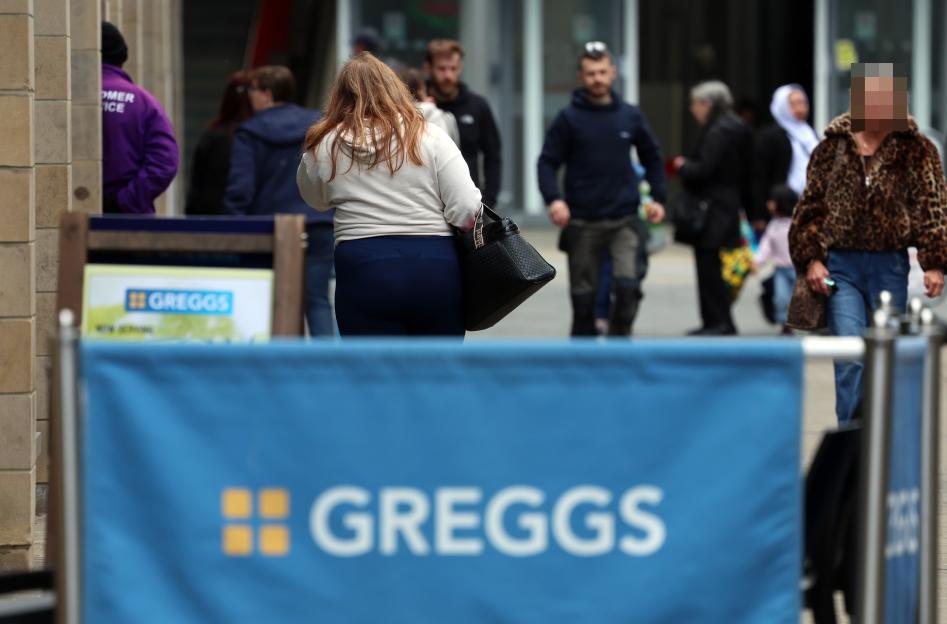 Children in the most deprived areas are more than twice as likely to have obesity by the time they leave primary school compared to their peers in affluent areas Credit: Glen Minikin
She explained the challenges of being mum to a ‘picky eater’.
“I have one child who eats anything and another who has to be coaxed to eat,” she said.
“Unless people have experienced what it’s like to have to fight to get a child to eat, like my five-year-old, they might not understand how it might be a good thing sometimes to get them to eat Wotsits.
“I let both my children have chocolate and biscuits, there’s nothing wrong with that as long as it’s in moderation.
“You also have to think about how kids are classified as overweight or obese. It is all based on percentiles in what we call the red book, which is the child health record you are given as a new parent.
“Sometimes perfectly healthy children are classed as obese when it’s clear to anyone just from looking at them that they are not.”
Gateshead Health NHS Foundation Trust explained its “Wotsits and buttons” blunder.
A spokesperson said: “We are aware of the concerns raised about information previously published on our website relating to food textures for young children.
“The content came from a patient leaflet developed with clinical input to support children with specific swallowing or feeding difficulties who need help to manage different textures safely.
“It was not intended as general dietary advice. The foods referenced were provided as examples of textures that dissolve easily in the mouth, not recommendations about what children should routinely eat.”
The trust has now removed the ‘Bite and Dissolve’ section, and in its place it says: “This section is currently being reviewed and will be updated soon.
“Parents and carers should always follow advice from their health visitor or clinical team if they have concerns about feeding their child.”
If you’re concerned about your child’s weight make an appointment with your GP.