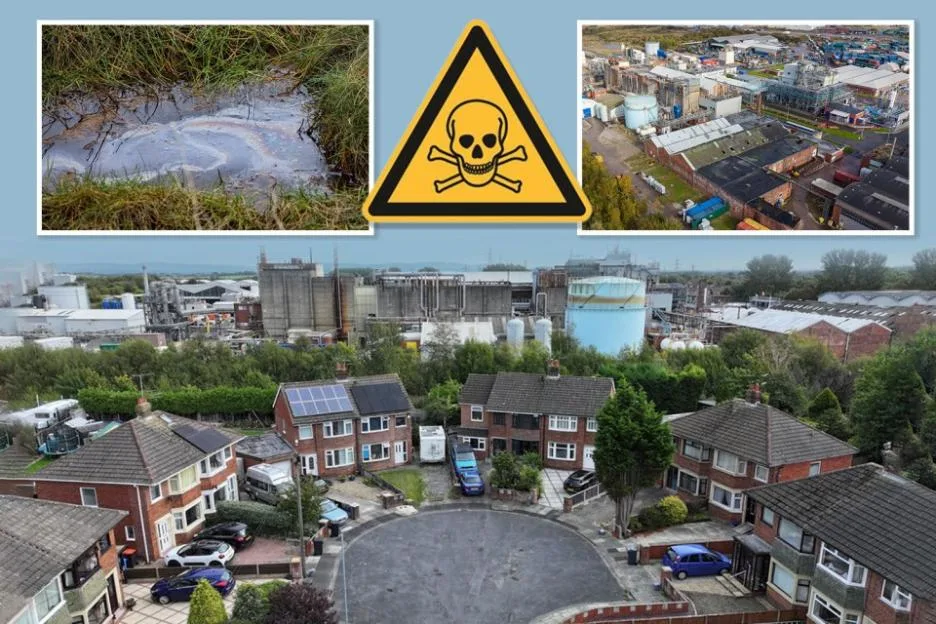
FRIGHTENED residents have said they are living in the “Village of the Damned” after it was revealed they have “forever chemicals” in their blood.
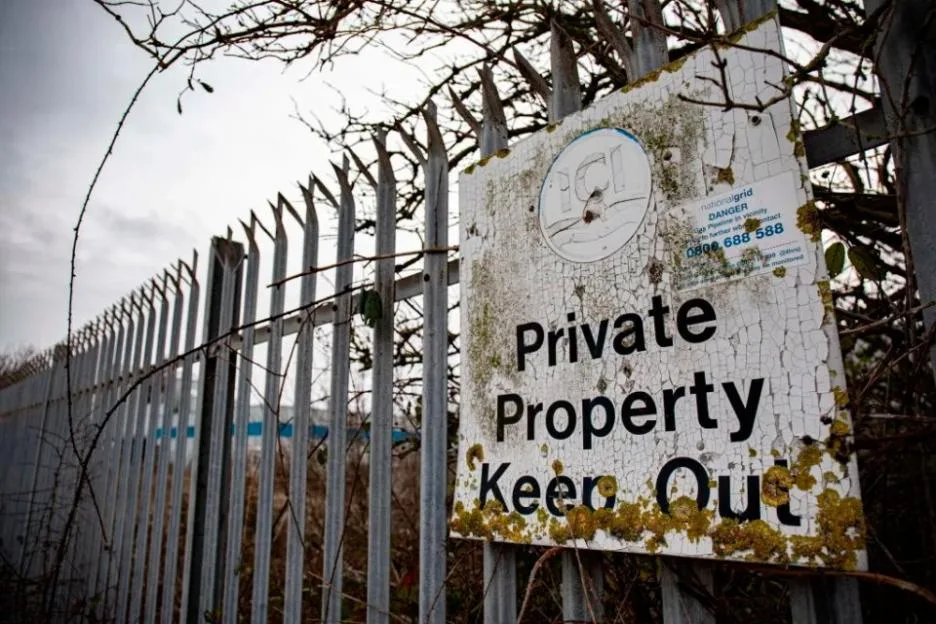
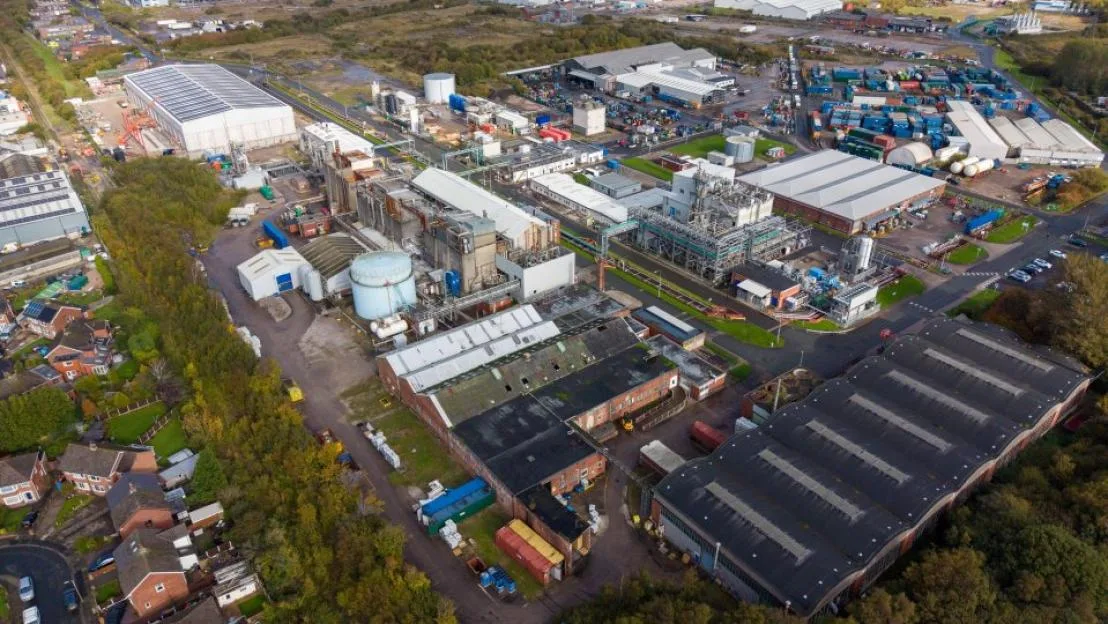
Dozens of people have been told they have “high levels” of cancer-causing chemicals in their bodies as they live in the shadow of the towering chemical factory in Thornton-Cleveleys, Lancashire.
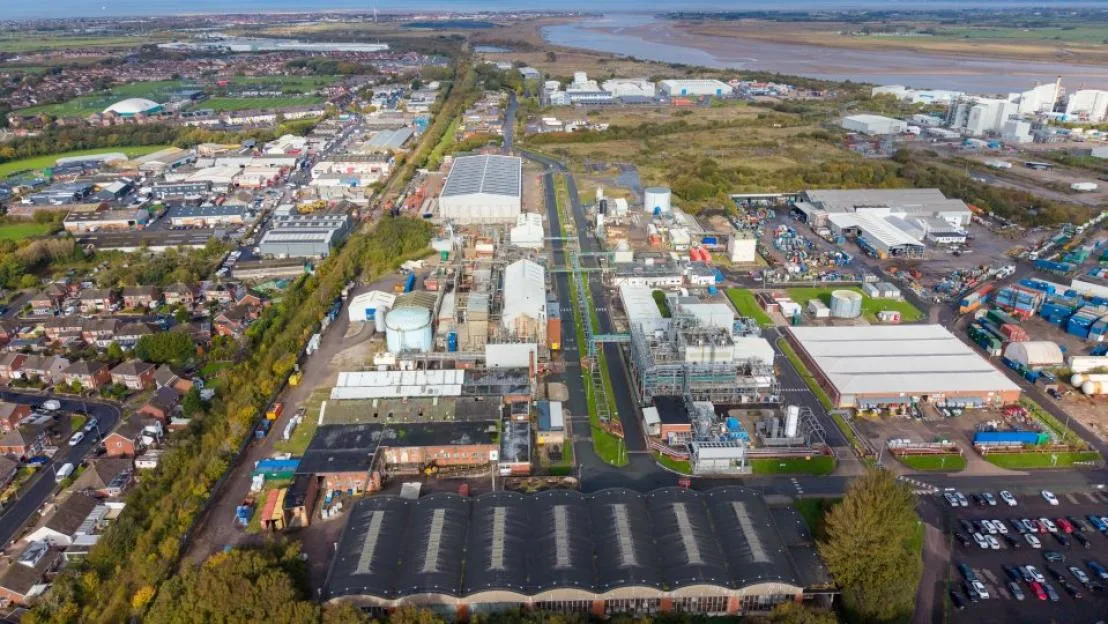
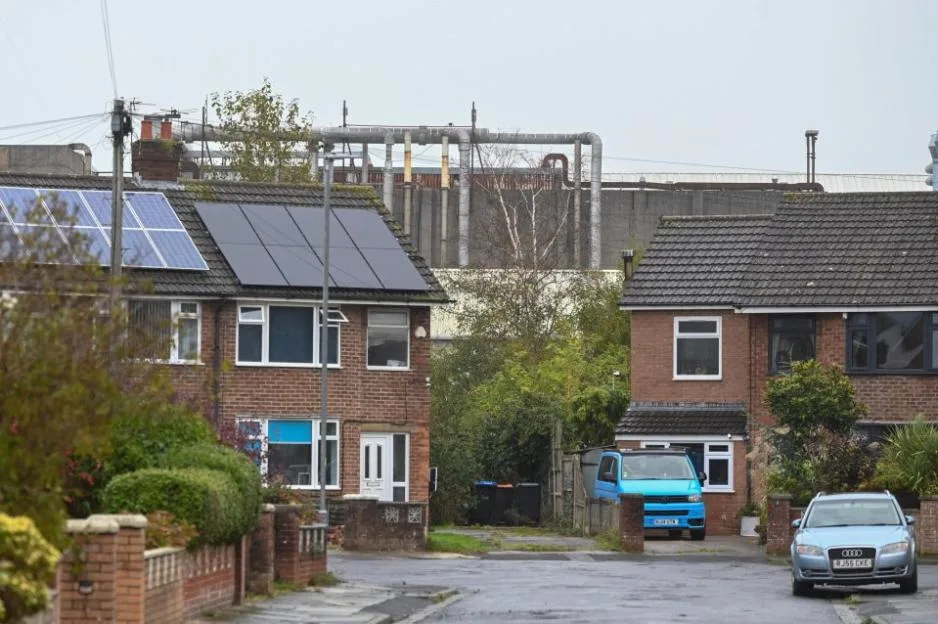
Tests have shown that PFOA (Perfluorooctanoic Acid) – chemicals often used to coat non-stick pans – have contaminated soil surrounding the plant and the residents themselves.
One resident felt she is “living in the village of the damned”, after feeding her son infected home grown fruit, vegetables, and eggs riddled with the chemical.
The contamination is believed to be historic use of the site – including when it was run by the now defunct Imperial Chemical Industries – up from the 1950s to 2012.
PFOA – a “forever chemical” – can accumulate in blood and can cause cancer, immune system disorders and high levels of bad cholesterol.
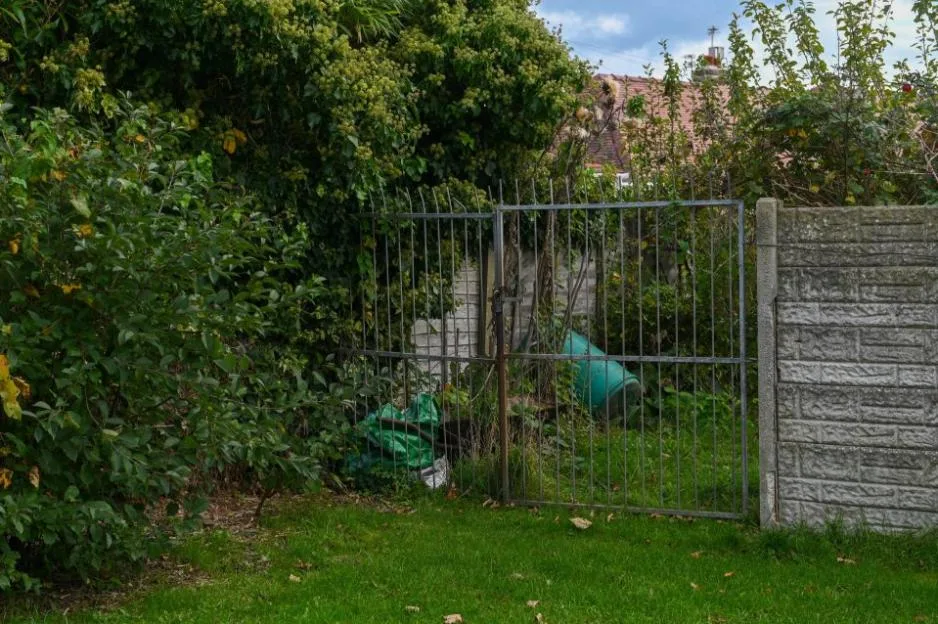
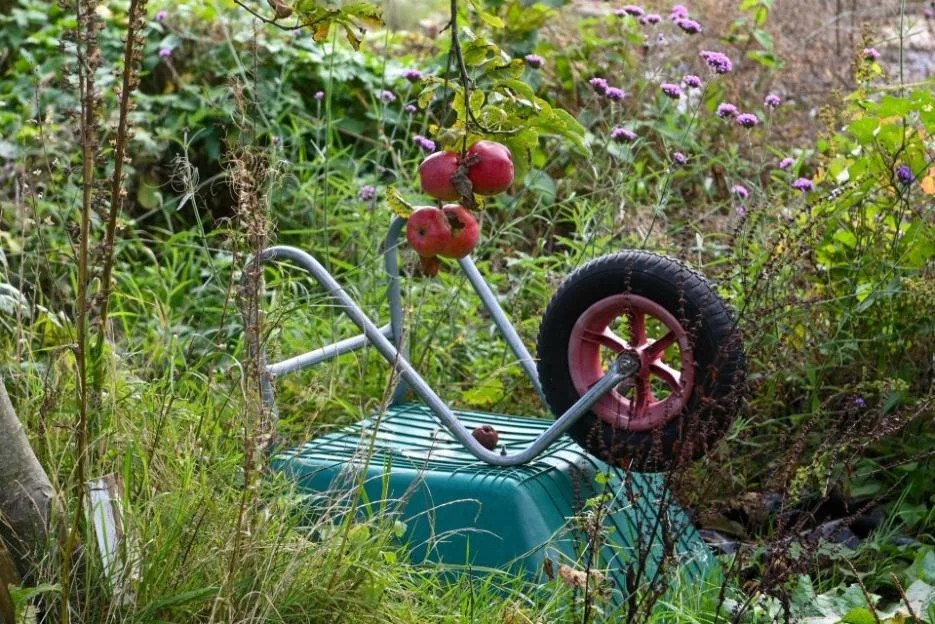
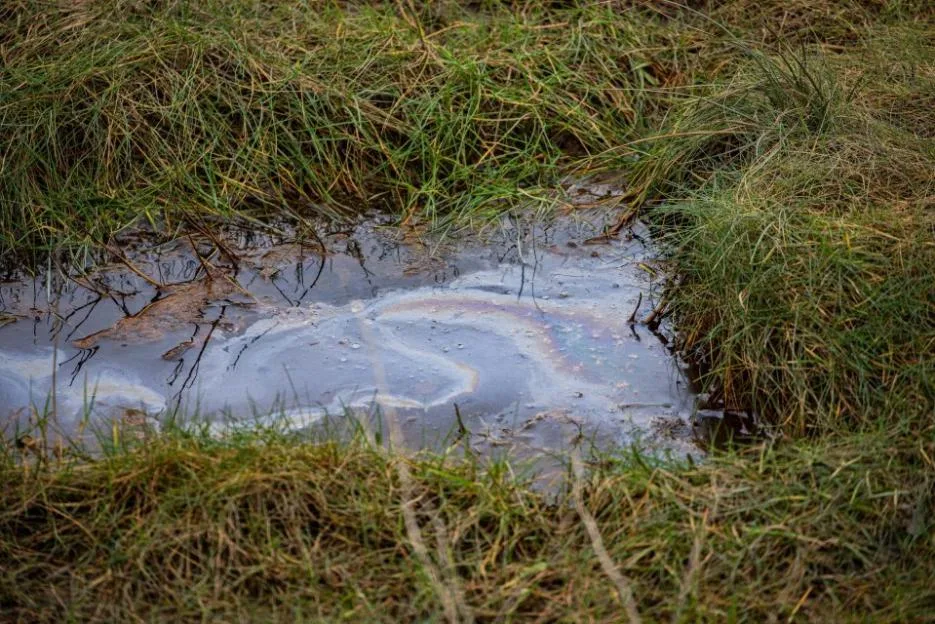
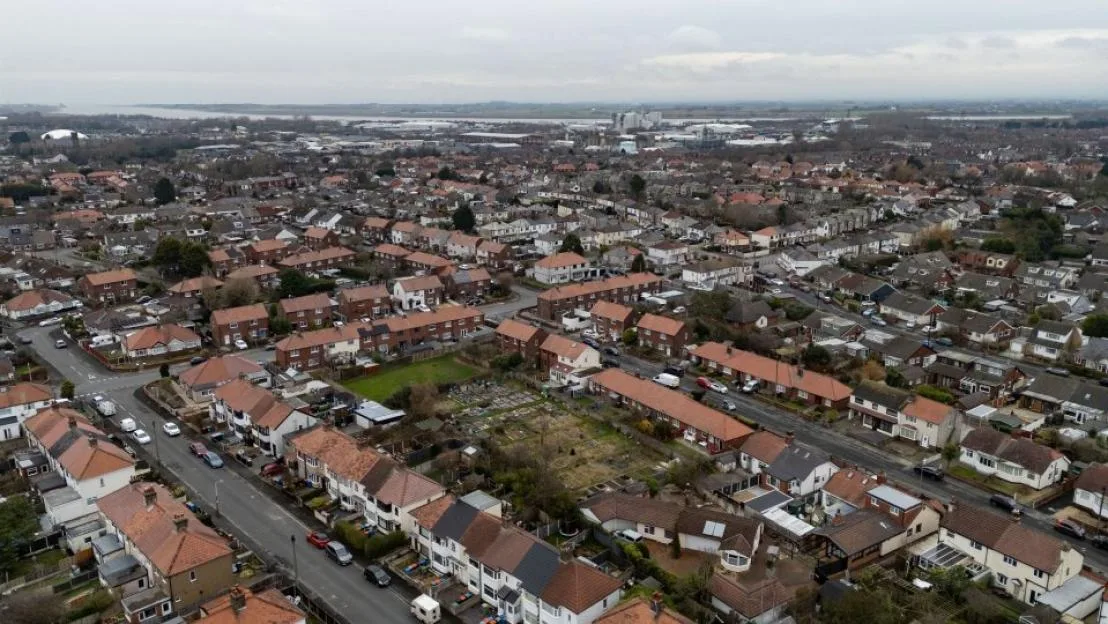
And 34 out of 49 residents tested in Thornton-Cleveleys showed elevated levels of PFOA – putting them at risk of developing .
When The Sun visited this week we found a community wracked by fear – with some residents claiming they have previously fallen sick without explanation – and even claiming their have unexpectedly died.
Residents are now calling for routine blood tests to be paid for by the local council to monitor levels and for a formal public inquiry into the scandal.
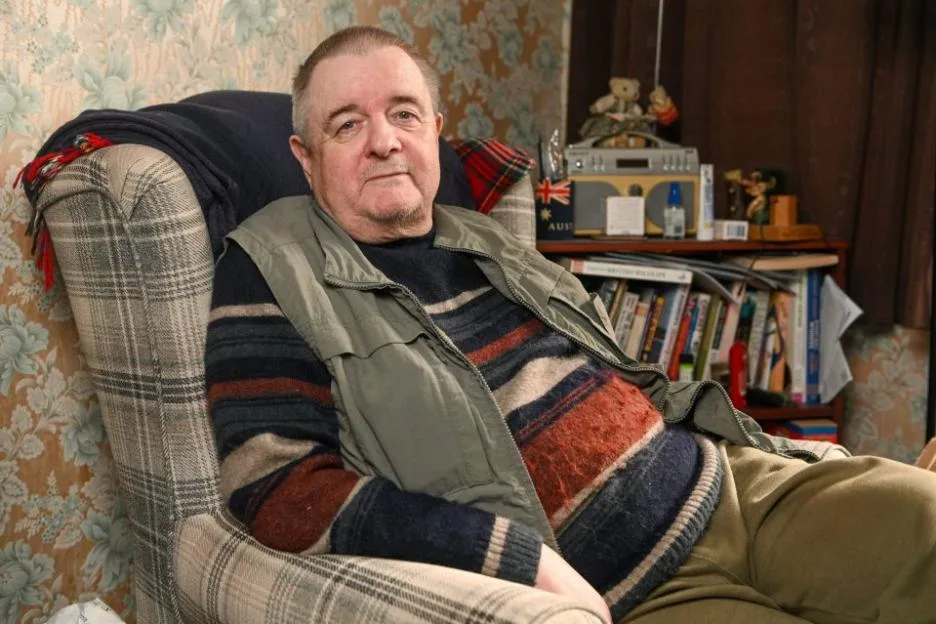
David Mayhew, 79, a retired process worker, has lived in his house backing onto the factory alongside his wife Glennis, 77, for almost six decades.
In November 2025, his beloved house rabbit, Bugzy, which he let in his garden, died unexpectedly at age 8.
He says he will no longer get another pet just in case it eats from his garden and falls sick, believing this to be the cause of his pet’s death.
And other residents have previously reported pets dying, including Paul Jackman, who said his dogs had died “strangely and quickly”, reports The Daily Mail .
AGC Chemicals Europe – which now operates part of the site – have previously said it was their “highest priority” to support the locals.
The plant will also be closed by December 31, 2026.
And the council has said they will continue to provide support and guidance to residents in area.
Meanwhile, firm Leigh Day – which is presenting impacted neighbours – have said the community are “paying the price”.
One resident was found to have the highest level of synthetic substances in their blood ever recorded in the UK – more than 100 times higher than the average in the general population.
Levels of the substance in residents are believed to be so high due to from their gardens or nearby allotments.
earlier this year, with the council calling the gardens “contaminated land”, and any ingestion of food from the land could cause “harm to “.
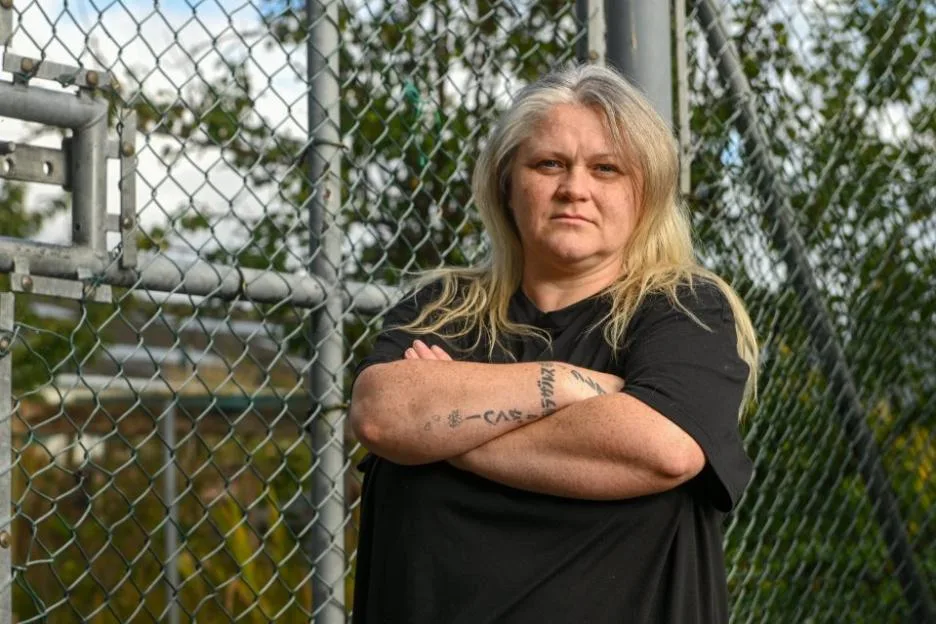
Affected locals included Sam Hammond, 48, and her 21-year-old son Lazarus.
Sam has since revealed her blood contained 25 nanograms per millilitre (ng/ml) of blood which, according to Leigh Day puts her in the high-risk category.
Though blood taken from her son was found to contain extremely elevated levels of 111 nanograms per millilitre (ng/ml) of blood, something which Sam has “no explanation” for.
The mum-of-four said: “Pretty much it feels like everyone who lives near the plant has some sort of illness or has dropped dead with no explanation.
“And it is hard not to draw parallels to the cause being from the ICI plant.
Her family ate fruit and veg and two eggs a day from ducks she kept on an eighth-of-an-acre piece of land next to her house, which she bought from Wyre Council in 2011.
Earlier this year scientists tested Sam’s eggs, and the Food Standards Agency later told her that eating just one of her duck eggs would go over the safe weekly limit.
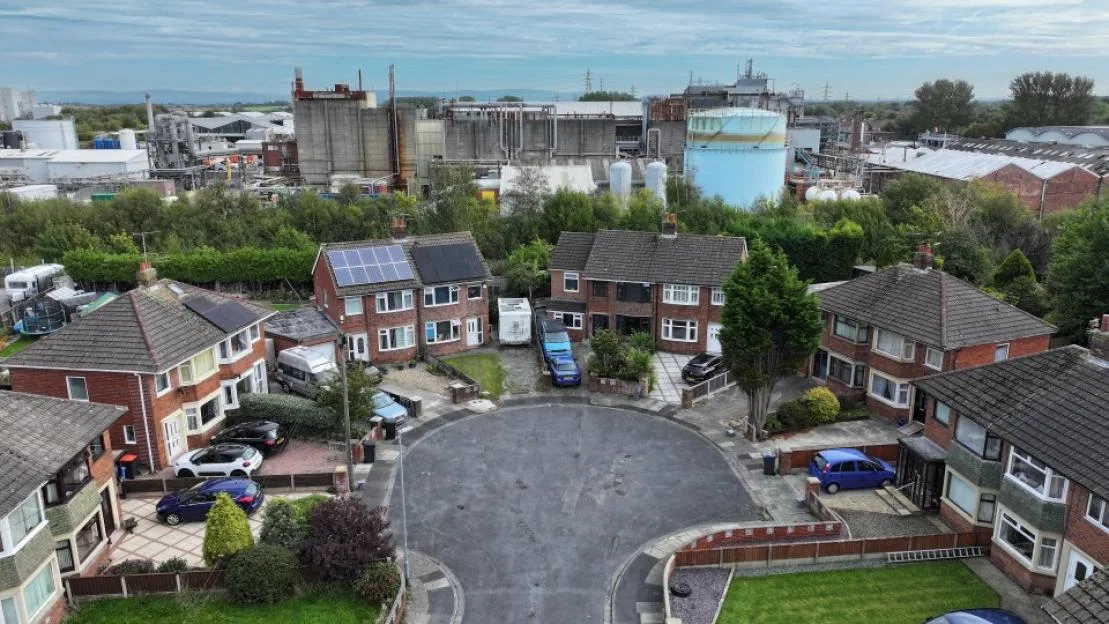
She said: “It makes me angry and guilty for poisoning my children for all of these years.
“The results are shocking, I am so overwhelmed by it all.”
She added: “I used the area a lot with my children, now it is abandoned, we don’t dare go on it anymore.
“There are a lot of unanswered questions but I think it is the poison.
“It is like we are living in the village of the damned”.
Her son Lazarus said: “It is not nice knowing I have these chemicals in my blood.
“I worry as I don’t know what it will mean for my future.”
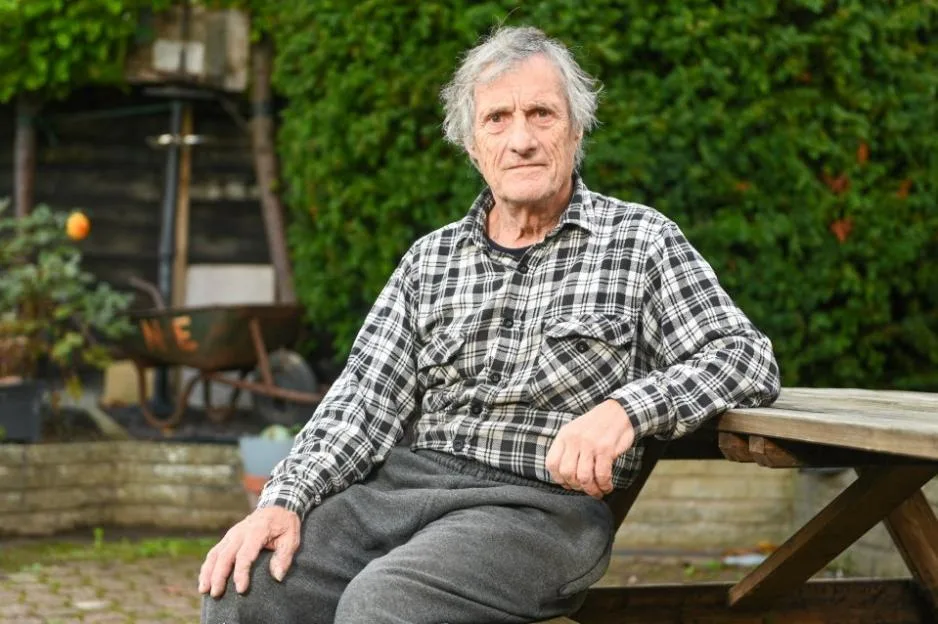
Veteran Tony Harris, 77, has lived in his house since 1985 with his late wife Jennifer, 67, around 100 metres from the site.
His blood test results found he had 65 nanograms per millilitre (ng/ml) of blood which, according to environmental law firm Leigh Day puts him over three times the minimum needed to be in the high-risk category.
He said: “I expected it to say zero. Not in the 60s and in the high risk category.
“It is frightening because yes, I’m 77 and I’m on the path to death, but I’m at increased risk of potentially fatal disease through no fault of my own.
“I was as fit as a fiddle in the army, I always ate healthy.
“Now I have a tight chest which doctors can’t put a finger on, high blood pressure, which doesn’t run in the family.
“Who knows what next and how serious.”
LeighDay partner Sarah Moore told The Sun: “The results of our testing project in Thornton Cleveleys are hugely concerning.
“They are a reminder that PFAS contamination has a human impact, not just an environmental one.
“The available evidence suggests that PFAS exposure can lead to serious health impacts, including cancers, when it reaches elevated levels.
“Those levels have already been exceeded in Thornton Cleveleys and it is now the community that are paying the price of that exposure in terms of potential health effects, restrictions on what they can grow and eat locally, and the value of their properties.
“The Government has promised increased engagement and regulation of PFAS contamination, but as yet nothing has been done. The situation in Thornton Cleveleys is a reminder that action should be taken now.”
AGC Europe and the Wyre Council have been approached for comment