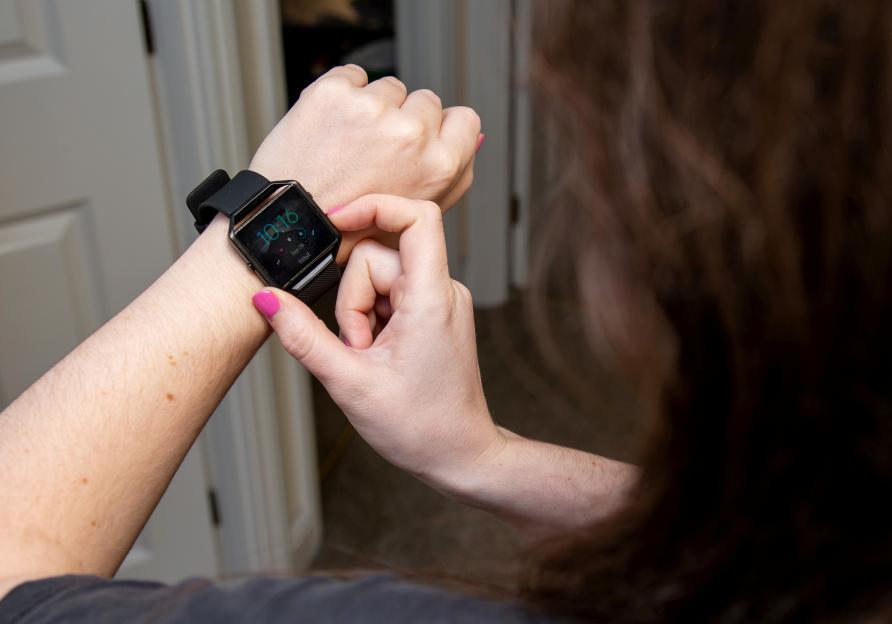
NEARLY half of adults track their health via wearable tech – but a quarter admit they have no idea what they are looking out for.
A study of 2,000 adults found 57 per cent now wear some sort of tech which monitors their heart rate, , and even blood pressure.
With 46 per cent actively tracking their and wellbeing via their watch, phone or smart ring.
However, 23 per cent of those admit they don’t know what most of the information is telling them, with 60 per cent having previously looked at data on their device unaware of what it means.
While 24 per cent have completely ignored health alerts from their device, with heart rate (40 per cent), activity levels (35 per cent), and stress (32 per cent) warnings the most commonly overlooked.
The study was commissioned by Cromwell Hospital , which offers cardiology services alongside Bupa’s other hospitals, King Edward VII’s Hospital and New Victoria Hospital.
Dr Neil Srinivasan, consultant cardiologist at Cromwell Hospital, said: “Wearable technology has changed the way people monitor their health.
“From steps to sleep and heart rate, we now have a wealth of data at our fingertips, people need to know what they are looking out for.
“Worryingly, this lack of understanding is causing some to ignore alerts and signals which could indicate a serious health issue, particularly ones that are linked to our .
“These alerts should not be ignored and should be checked out by a healthcare professional, who will be able to tell you what it means and if more investigations need to happen.
“We know that early diagnosis can be lifesaving. Using all the tools at our disposal, including wearable technology and preventative screenings, is key to maintaining good health particularly for your heart.”
The study also found steps taken (67 per cent), heart rate (52 per cent) and calories burned (46 per cent) are the most common health areas to be tracked using wearable tech.
But just 17 per cent understand the data from their device which could be linked to irregular heart rhythms and only 21 per cent feel confident they can interpret the information on their respiratory rate.
While only 46 per cent feel they understand heart rate data.
When struggling to understand what their wearable tech is telling them, 61 per cent resort to searching online to see what it means, while 30 per cent simply ignore it.
However, one in four (26 per cent) admitted a lack of understanding of what their health data was telling them caused them to worry unnecessarily.
The research, carried out via OnePoll, found 28 per cent of those who track their health via wearable tech have sought medical advice after getting an alert or information related to their wellbeing.
For those who did get checked, 58 per cent of those said it ended up being a minor issue, but 21 per cent claimed it was an indicator of a serious health concern, highlighting the value of understanding what your wearable is telling you, and monitoring your data to notice any changes.
More than a third (35 per cent) have also referenced the data from their wearable tech device when speaking to a medical professional, with 26 per cent of those believing it led to an easier or faster diagnosis.
TOP 20 ASPECTS OF HEALTH TRACKED VIA WEARABLE TECH
1. Steps taken
2. Heart rate (resting, average and active)
3. Calories burned
4. Sleep duration
5. Distance travelled
6. Active minutes
7. Sleep quality and efficiency
8. Heart rate variability (HRV)
9. Blood pressure
10. Sleep stages (light, deep and REM sleep)
11. Stress levels
12. Blood oxygen saturation (SpO₂)
13. Respiratory rate (breaths per minute)
14. Recovery status after exercise
15. Sleep debt and recovery scores
16. Hydration levels
17. Irregular heart rhythms (e.g. possible atrial fibrillation)
18. Relaxation and mindfulness tracking
19. Menstrual cycle/ fertility levels
20. Breathing disturbances during sleep
As technology continues to provide new ways of understanding our health, wearable data is increasingly being complemented by other tools that can also help people to identify their inherent risk of serious diseases years before symptoms develop.
From 1 September 2026, Bupa will launch a new first-to-market genomics prevention-focused pathway for cardiovascular disease.
It will use insights to identify individuals at increased risk and connect them with preventive services included within their health cover, such as Bupa’s Weight Management Plan, to reduce their likelihood of developing cardiovascular disease in future.
Dr Srinivasan added: “Technology is allowing us to get far more information about our bodies than ever before, information that previously would only be available from a doctor.
“Understanding the data to spot any early warning signs of health concerns that might not be quite as they should be, and get treatment faster, especially when it comes to our heart health.”