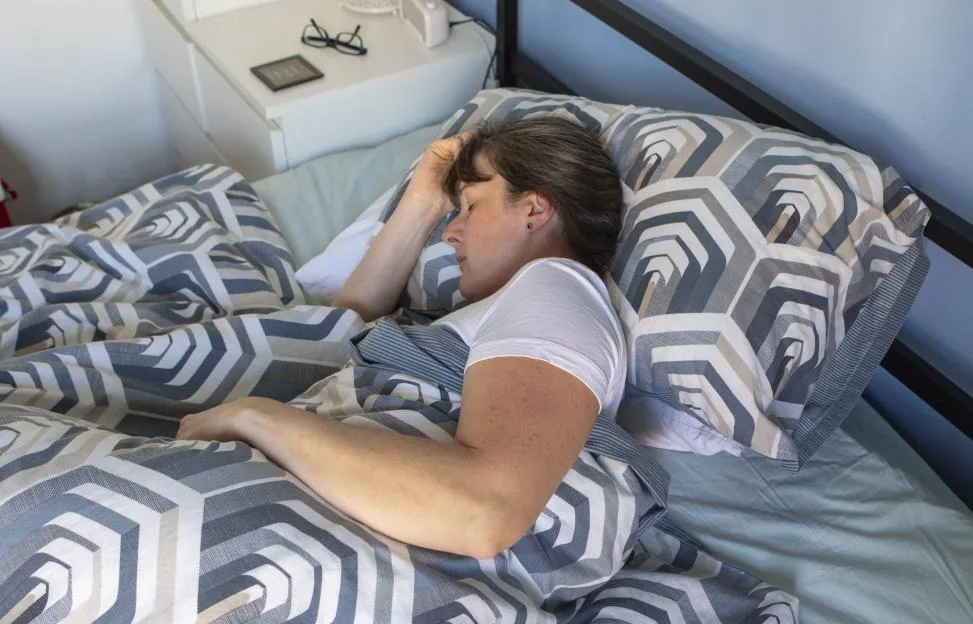
Brits are collectively losing nearly 10 billion hours of sleep a year because they refuse to confront their worries during the day, a study claims.
The poll of 2,000 adults found the average person struggles to on three nights a week, typically losing 70 minutes of rest every time.

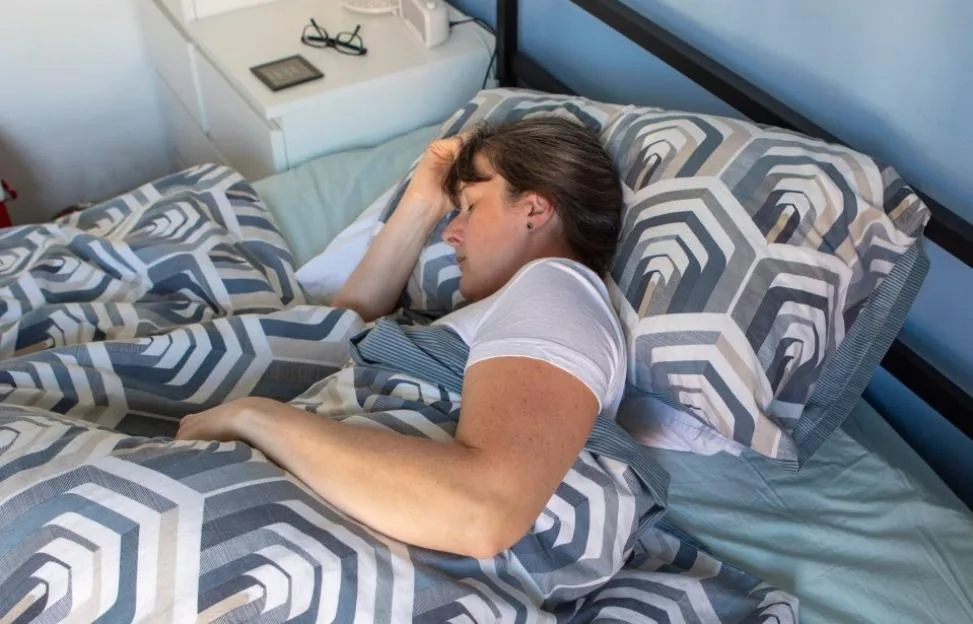
If this is applied to the UK adult population of 55 million it adds up to a collection 9.8 billion hours a year.
One key culprit may be that, during the day, 74 per cent push worries or difficult thoughts aside at least some of the time because they are simply too busy to deal with them.
But for 81 per cent, these thoughts have a tendency to creep back in during the darker hours.
Sleep disruption is also an ongoing problem for most, as the average person who experiences this has been dealing with it for more than five years.
While 19 per cent have experienced difficulties with their slumber for more than a decade.
Despite these negative effects, 66 per cent have accepted difficulties with sleep as just a part of their lives.
To highlight the link between sleep and mental , Dreams has partnered with Mind and Scottish Action for Mental Health to create space for conversations about how people are really feeling and know where to turn for support.
Dr Zoe Williams, resident sleep expert at Dreams, said: “A bad night’s sleep every now and then is something most of us experience.
“But this research shows how closely our nights and days can feed into one another.
“The things we’re carrying during the day can follow us into bed, while a difficult night can affect how we feel the next day.
“That doesn’t mean every restless night is a sign of a mental health problem.
“It’s about noticing when something feels different and looking at your sleep alongside what’s happening in the rest of your life, rather than automatically dismissing persistent sleeplessness as ‘just tiredness’.”
The link between sleep and mental health is also clear from the research, as of the 48 per cent who have had their day-to-day life affected by their mental wellbeing, 93 per cent found it also impacts their nights.
When this happens, more than half spend more time awake worrying or overthinking (56 per cent) or find it harder to fall asleep (54 per cent).
A similar number (52 per cent) also agreed worries or difficult thoughts tend to feel worse when they come back at night than they did during the day.
When lying awake at night, the top thoughts to pop up include the future (32 per cent) and finances (29 per cent).
However, 21 per cent instead described a general sense of unease they can’t put their finger on, according to the OnePoll.com data.
While 87 per cent recognise that poor sleep can affect mental wellbeing, only 34 per cent know regular poor sleep can be a sign that something else isn’t right.
Instead, more complex emotions are often hidden behind two familiar words, as 61 per cent have told someone they were “just tired” when something else was affecting how they felt, rising to 81 per cent of Gen Z.
Despite this, 65 per cent have never sought support for sleep difficulties, with the main reason being they didn’t think it was a serious enough issue (33 per cent).
Rosie Weatherley, information content manager at Mind says, “‘I’m just tired’ is such an everyday phrase that it can be easy to take at face value.
“Sometimes it simply means someone needs more rest, but it can also sit alongside worries, stress or difficulties with our mental health.
“Not every bad night’s sleep is a sign of a mental health problem, but if someone hasn’t been sleeping well for a while, asking how they’re feeling can help open up the conversation.
“And if poor sleep or changes in how you’re feeling persist or affect everyday life, you don’t have to wait until things feel unbearable before seeking support.”
DR ZOE’S FOUR TOP TIPS FOR SLEEPLESS NIGHTS:
- Notice when sleeplessness becomes a pattern
One difficult night doesn’t necessarily tell you very much. What’s worth paying attention to is when something changes and stays changed. Perhaps you’re suddenly spending longer lying awake at night waiting for sleep to come, waking more often, or regularly waking feeling unrested. That doesn’t mean assuming there is something wrong, but when sleeplessness starts becoming a pattern, take a moment to check in with how you’ve been feeling more generally.
- Ask what else has changed
Sleep doesn’t happen in isolation, so try looking beyond what’s happening in bed. Are you feeling more anxious or irritable during the day? Finding it harder to concentrate or cope with things you’d usually manage? Or simply not feeling quite like yourself? Rather than writing an ongoing change off as ‘just tiredness’, look at the wider picture of how you’ve been feeling – both at night and during the day.
- Pay attention to what comes up when everything goes quiet
Thoughts we put aside while we’re busy can return once everything goes quiet. If the same worries are repeatedly keeping you awake, consider whether they need some attention too. You don’t have to wait until things feel ‘bad enough’ before talking to someone or looking for support.
- If someone says they’re ‘just tired’, ask one more question
If someone tells you they’re not sleeping well, you don’t need to diagnose them, fix the problem or have the perfect response. Simply asking ‘How are you feeling?’ or ‘Is anything keeping you awake?’ and giving them space to talk can be incredibly valuable.