DOLPHINS around Britain may have regional accents just like humans.
Bottlenose specimens in Cardigan Bay make faster, higher-pitched calls than those elsewhere, giving them a distinctive “Welsh accent”.
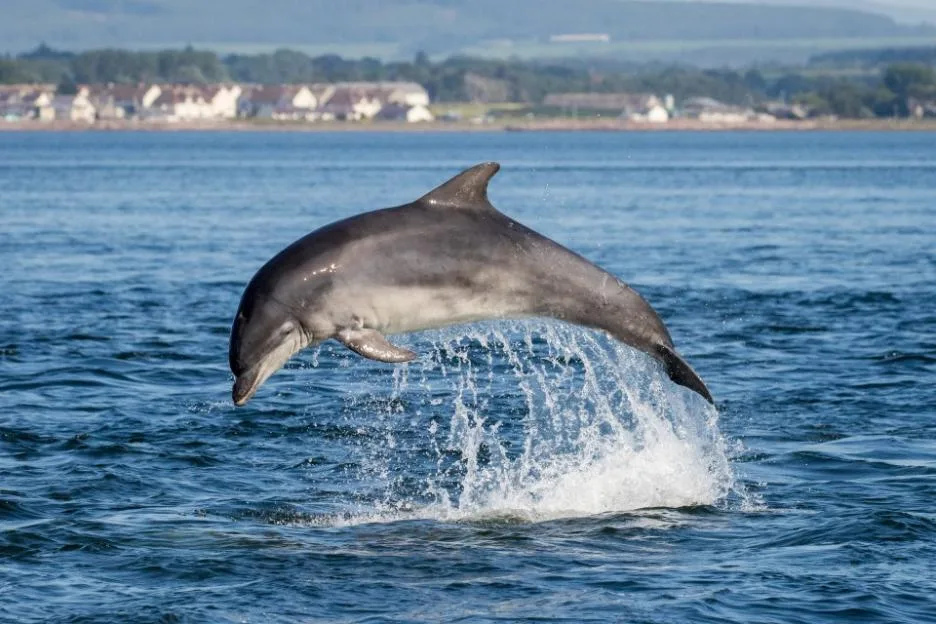
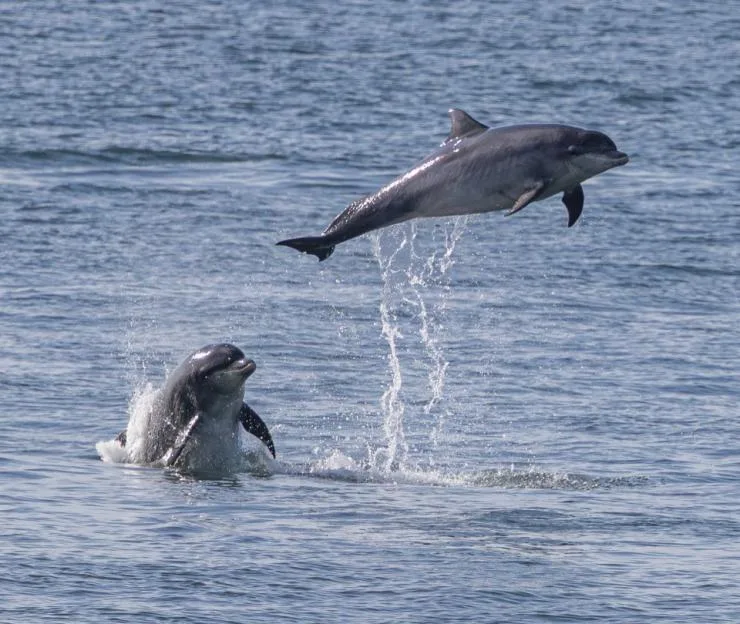
The ’s is revisiting 2021 show Wonders of the Celtic Deep, in which scientists filmed 240 .
They found some whistles were too high-pitched for human ears — but Laura Palmer, who studied dolphin sounds at Bristol University, said the squeaky chat could help them pull.
She said: “It could be that the higher frequency whistle makes them stand out more. Perhaps that’s more attractive to potential mates, for example.”
Another theory is that the dolphins, which develop their own call to use like a name, stick close together so have less need to be heard over long distances.
Ms Palmer explained to Radio Wales: “Higher-frequency whistles don’t travel so far underwater.”
Channel Islands dolphins have a local twang, too.
Expert Paul Chambers previously said: “Just as regional isolation in humans produces different speech accents, the same is true for dolphins and porpoises.”
A 2007 study also found dolphins in the Channel whistled at higher frequencies than those in the Celtic Sea, possibly to be heard above shipping noise.
Regional differences have also been found among dolphins in the Med, and .