
A MAJOR review into the main disability benefit has been branded a farce after missing the opportunity to slash the welfare bill by £4 billion a year, experts say.
Significant savings could have been found by bringing an end to personal independence payments claims for those who do not face extra costs from their , Ministers were told.
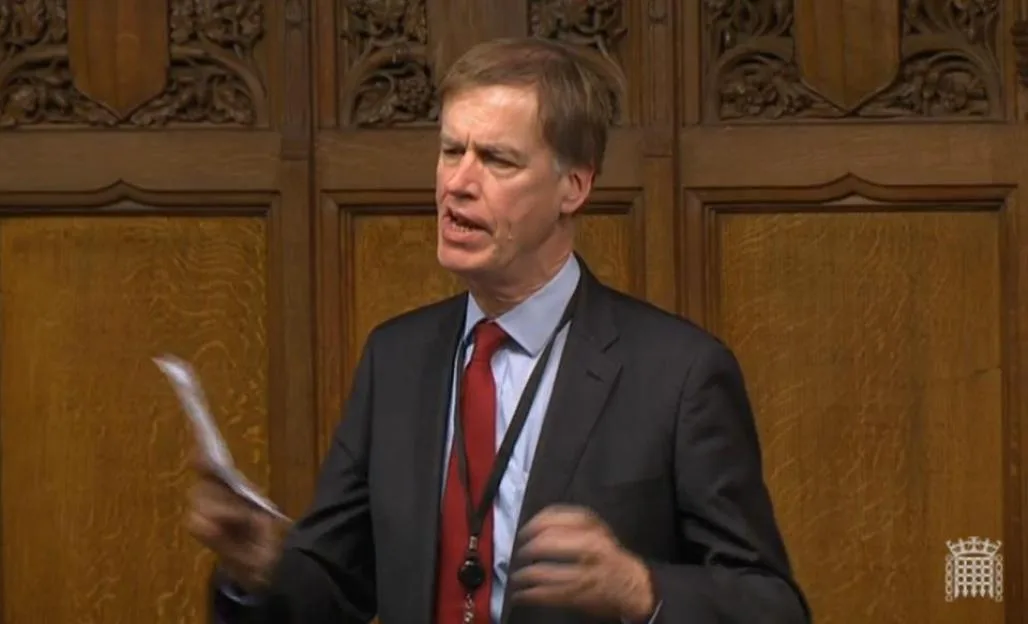

The warning comes as the new report from Sir Stephen Timms says Pip should remain a “cash-first benefit” allowing people to choose services and support instead.
It comes after Lindsay Judge, from the Resolution Foundation, said: “The Timms Review did not set out to achieve savings to the bill, but they should be possible nonetheless.
“Ending payments for those who say they do not face any extra costs as a result of their could save up to £4.4 billion a year.”


This would mean ending ongoing PIP payments for the one-in-six current claimants who don’t report any extra costs, if applied at the end of the decade.
Pip is the main benefit paid to claimants with a long-term physical or mental condition or disability. It is intended to help with everyday tasks and extra living costs.
It was brought in back in April 2013 and currently recipients can get between £30.30 and a maximum of £194.60 a week.
Spending on Pip was just £16.3 billion back in 2019/20 and hit £27.3 billion by 2024/25 but will hit £41.5 billion by the end of the decade.
The Timms review was not tasked with making any savings.
It was launched on the back of facing a Labour backbench rebellion when he attempted £5 billion of welfare savings.
But the overall bill including will hit £430 billion by the start of the next decade.
Shadow Welfare Secretary Helen Whately said: “This review is a complete farce.
“After Labour abandoned welfare reform last year, all that is left is a review which will mean more spending, fewer checks and a complete absence of substance.
“Labour’s flagship review into sickness benefits has failed. Labour will never cut welfare because they are the Welfare Party, and their left-wing backbenchers will never let them.
“The Conservatives will review the entire PIP system, remove eligibility for low-level mental health PIP claims, rapidly assess hundreds of thousands of additional claims and get Britain working again.”
The Timms review declares Pip being “no longer fit for purpose” and should be replaced with a reformed benefit that better reflects “real-life needs, additional costs and barriers”.
He said that the government is accepting two key recommendations including reducing unnecessary award reviews for people whose health conditions are lifelong or unlikely to improve.
Ministers will also introduce a fast-track route for people with severe, well-evidenced conditions and those nearing the end of life.
The review urges ministers to only conduct light-touch checks for people with indefinite conditions, while new claimants with debilitating illnesses will be fast-tracked for PIP.
But others will face an “impact assessment” to align people’s with their needs rather than the current fixed rates of support.
The report has also rejected calls to swap cash payments for vouchers, although claimants can decide to trade some of their money for services.
There are also no cost-cutting measures in the 137-page document, which has been drawn up with disabled campaigners.
It says: “PIP should continue to provide a cash award, and remain a non-means-tested, non-taxable benefit available to people both in and out of work, with an improved process that ensures the right support goes to the people who need it.”
Sir Stephen added: “These changes are a first step to building a system which gives greater security for those with the most severe conditions.”
The study was the first full review of Pip since it was introduced more than ten years ago and co-produced by disabled people.
The government will respond to both the Timms review and the probe by Alan Milburn on youth inactivity together.
Prime Minister has insisted he “won’t shy away from reforming the system”.