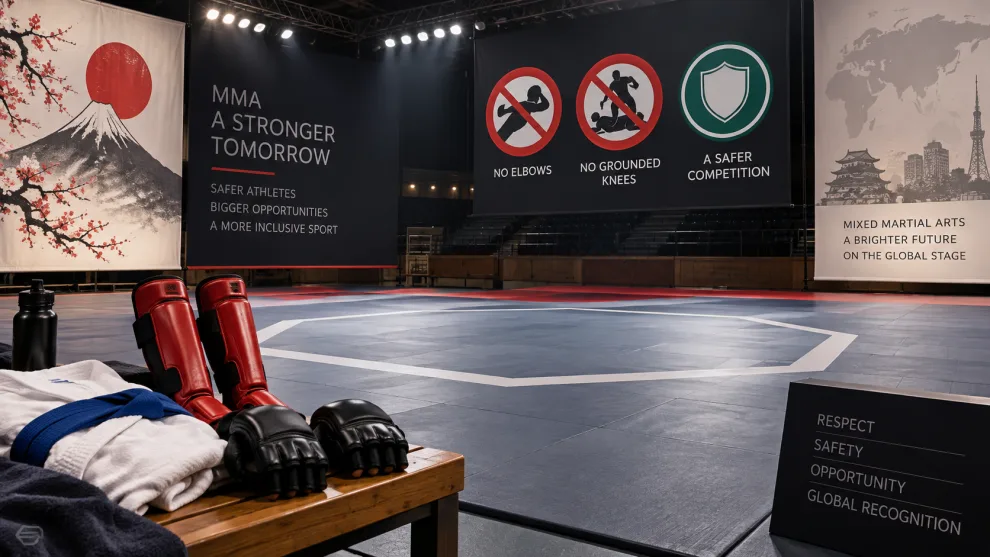
Mixed martial arts is making its Asian Games debut in Aichi-Nagoya with a modified ruleset designed to put safety and sporting presentation at the centre of the competition.
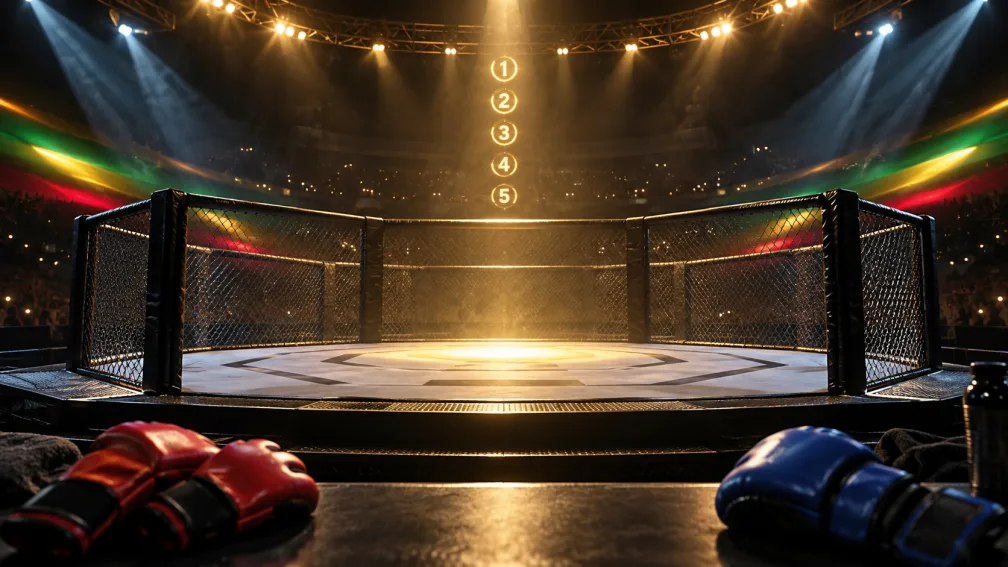
The format is deliberately different from the cage-based presentation familiar to many MMA fans. Competition takes place on an open mat, while athletes wear traditional martial-arts-style uniforms and shin guards.
Safety rules reshape the format
Among the most important changes are restrictions on elbows and on knees to grounded opponents. Those adjustments are intended to reduce risk while preserving the blend of striking, grappling and submission skills that define mixed martial arts.
The absence of a cage also changes the visual and tactical environment. Athletes compete within a marked area on an open mat rather than being enclosed by fencing.
Why the Asian Games debut matters
Inclusion at a major multi-sport event gives MMA a new platform beyond its established professional promotions. Supporters of the sport see the Asian Games as an opportunity to demonstrate that MMA can operate within a regulated, safety-conscious framework suitable for international competition.
The event also gives national teams a clearer pathway into a sport that has traditionally been dominated by commercial promotions rather than federation-based competition.
A push for broader recognition
Organisers hope the modified format can strengthen MMA's case for wider recognition in the global sporting system. That does not mean Olympic inclusion is imminent, but the Asian Games provide an important test of how the sport can be adapted for multi-sport competition.
Safety, standardised rules and consistency across countries will be central to any long-term effort to gain broader acceptance.
What to watch next
The immediate focus will be on how athletes and officials respond to the adjusted rules in competition. If the format is well received, it could influence how amateur and international MMA events are structured in future.
For now, the Aichi-Nagoya debut represents a significant step for a sport trying to balance its combat identity with the requirements of the wider international sporting movement.