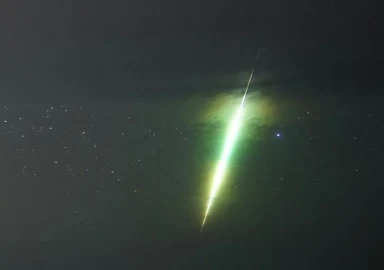
ASTRONAUTS flying around the Moon are set to face the most nail-biting moment of the Artemis II mission yet when all contact is lost tonight.
The crew will reach their closest point to the lunar surface at just after midnight UK time (7:02pm ET).
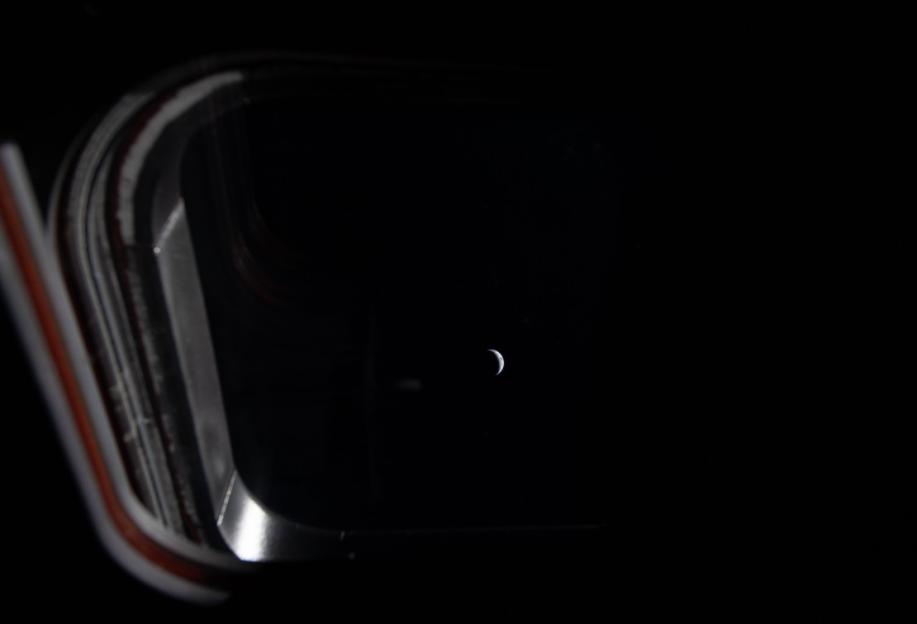 Earth now appears very faint for the astronauts aboard the Orion spacecraftCredit: NASA/X
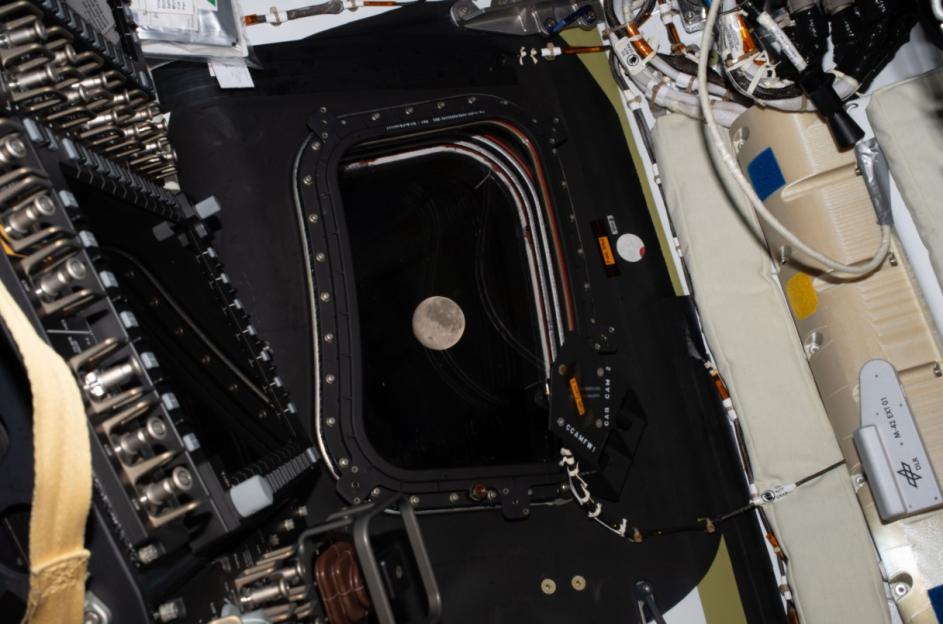 And the view of the Moon is getting even clearerCredit: NASA/X
But and everyone else back on will have a tense wait to find out how the key milestone went as the Orion space capsule will lose signal.
This anxious period is happening because the spacecraft will pass behind the Moon blocking all radio and laser beams.
The planned blackout is expected to start around 11:47pm UK time (6:47pm ET) and last 40 minutes or so.
“Let’s pray, hope, send your good thoughts and feelings that we get back in contact with the crew,” Artemis II pilot Victor Glover told the BBC before the mission.
If all continues to go well, the closest approach to the Moon will put the astronauts at a distance of 4,070 miles above the surface.
This will be a major opportunity for the quartet – Glover, Christina Koch, Jeremy Hansen and Reid Wiseman – to make important observations of the Moon’s mysterious far-side and take thousands of photos.
And while they won’t land on the lunar surface the crew are set to smash a major record.
Earlier in the evening at 6:56pm (1:56pm ET) they will fly the farthest humans have ever traveled from Earth.
That beats the 13 distance record set back in 1970.
The Artemis II mission has largely been a success since launching last Wednesday – but it hasn’t been without its glitches.
ARTEMIS II: KEY TIMES TONIGHT
- 18:00 (13:00 ET) – Nasa begins live broadcast
- 18:56 (13:56 ET) – Crew breaks record for furthest any human has been from Earth
- 19:45 (14:45 ET) – Lunar observation period begins
- 23:47 (18:47 ET) – Loss of signal expected for around 40 minutes as Orion heads behind the Moon
- 00:02 (19:02 ET) – Closest approach to the Moon
- 00:05 (19:05 ET) – Orion reaches its furthest point from Earth
Image credit: AFP
has been one of the major blunders meaning astronauts can’t use it to go for a wee.
The crew have already .
But our planet is currently a very faint view for the astronauts, with the Moon now firmly within their sight.
Yesterday, the spacecraft entered the lunar sphere of influence, a crucial point when the pull from the Moon’s gravity is far stronger than Earth’s.
After they’ve swung around the Moon and the close flyby is complete, the Orion spacecraft will begin its journey back home.
The capsule is set to flash down into the Pacific Ocean near San Diego, , on Friday.
Nasa is preparing to live stream coverage of tonight’s events from 6pm but warns some footage from the mission may be poor due to the distance.
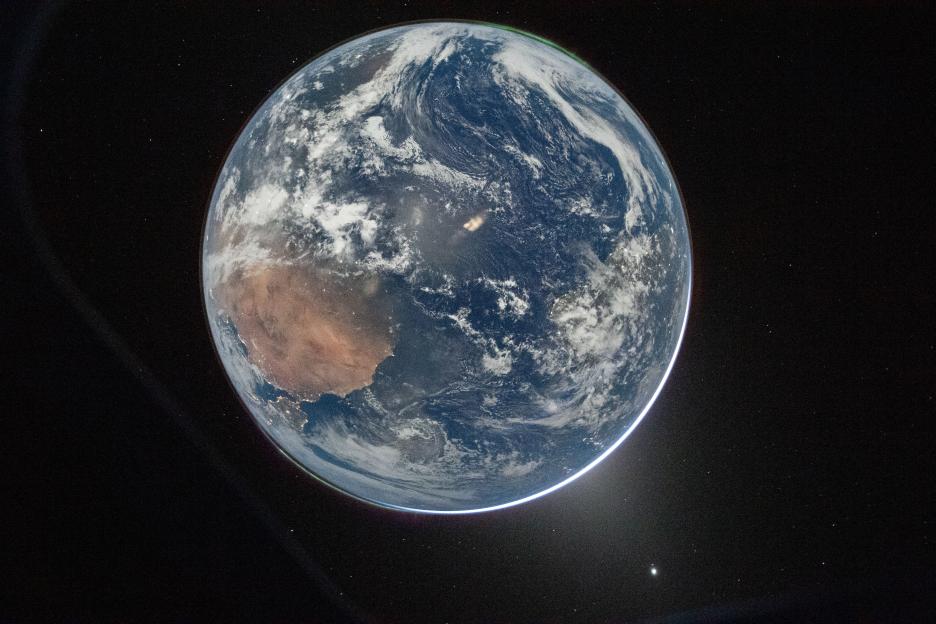 Astronauts shared a stunning snap of Earth from the Orion capsuleCredit: AFP
 Sign up for The Sun Tech newsletter for gadgets, games & more
Hello! I'm Sean Keach, The Sun's Head of Technology and Science
I’ve been writing about gadgets, games and the future of technology for more than a decade.
During that time I’ve penned thousands of articles, filmed hundreds of videos, talked tech on TV and radio, and travelled around the world to bring you the latest on Apple, Meta, Google, Amazon, Netflix and more.
And I’ve got a weekly newsletter called The Sun Tech that you can read for free every Thursday.
I bring you the latest from the world of tech, including behind-the-scenes action, exclusive content, expert analysis, and plenty of help advice – so please follow along!