ARCHAEOLOGISTS have discovered a huge jar densely packed with the teeth and bones of at least 37 different people.
The haunting discovery has finally solved the mystery of the Plain of Jars – a spooky landscape in Southeast dotted with stone vessels.
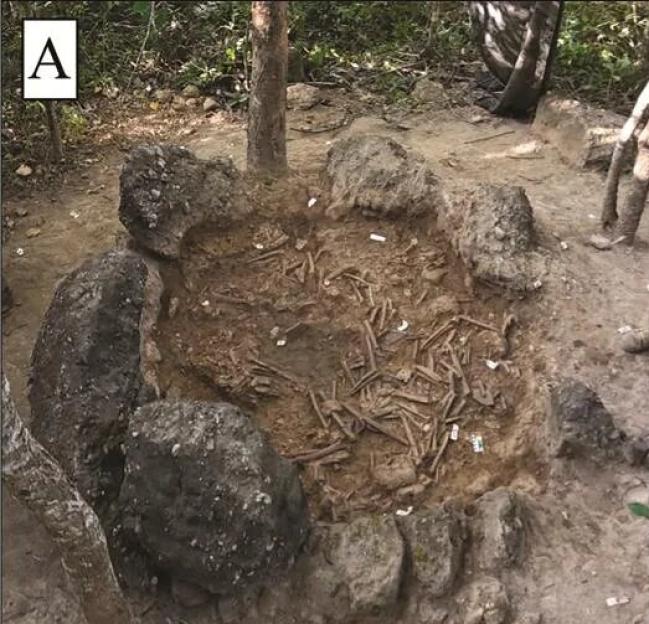 Bones were densely jammed into a jar that was 2m wide Credit: Skopal et al. Antiquity (2026)
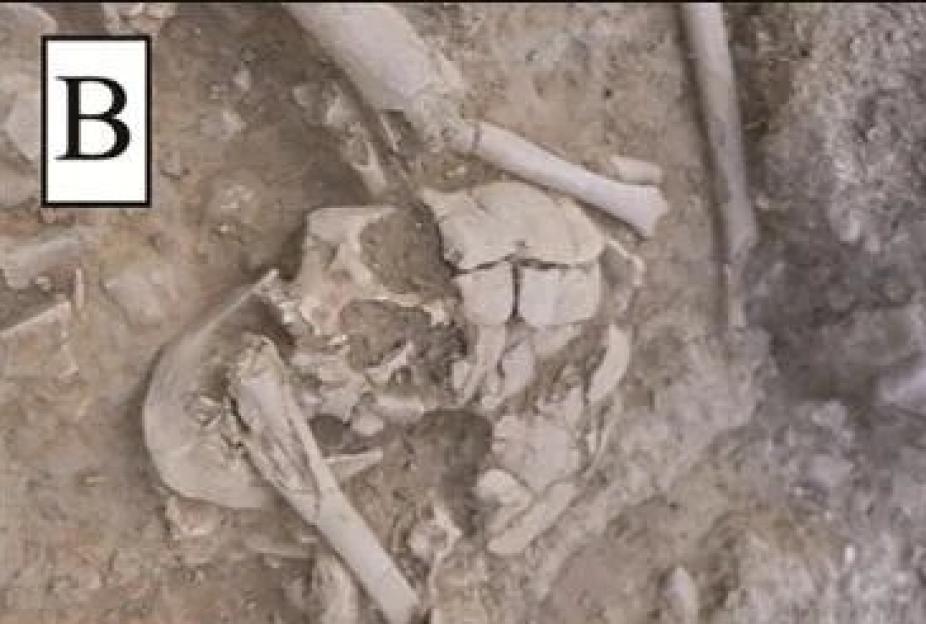 The remains are over 1,200 years old – around the time of the Viking invasions Credit: Skopal et al. Antiquity (2026)
Archaeologists dug up the strange find in a forest in the Plain of Jars in Laos.
Radiocarbon of the show the remains date back to around the time of the Viking invasions between 890 and 1160.
The large stone vessel – dubbed “death jar” or “Jar 1” by researchers – stands about 1.3m tall and stretches to 2m wide.
“It is among the largest jars currently known in Laos,” said archaeologist and co-author of the study Nicholas Skopal.
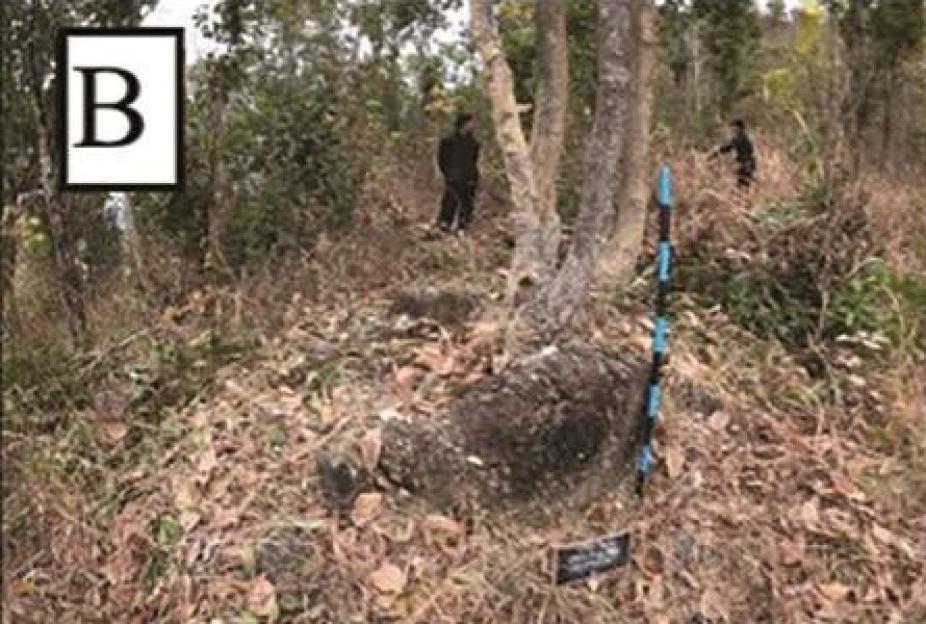 The ‘extraordinary’ jar was found in a forest in Laos Credit: Skopal et al. Antiquity (2026)
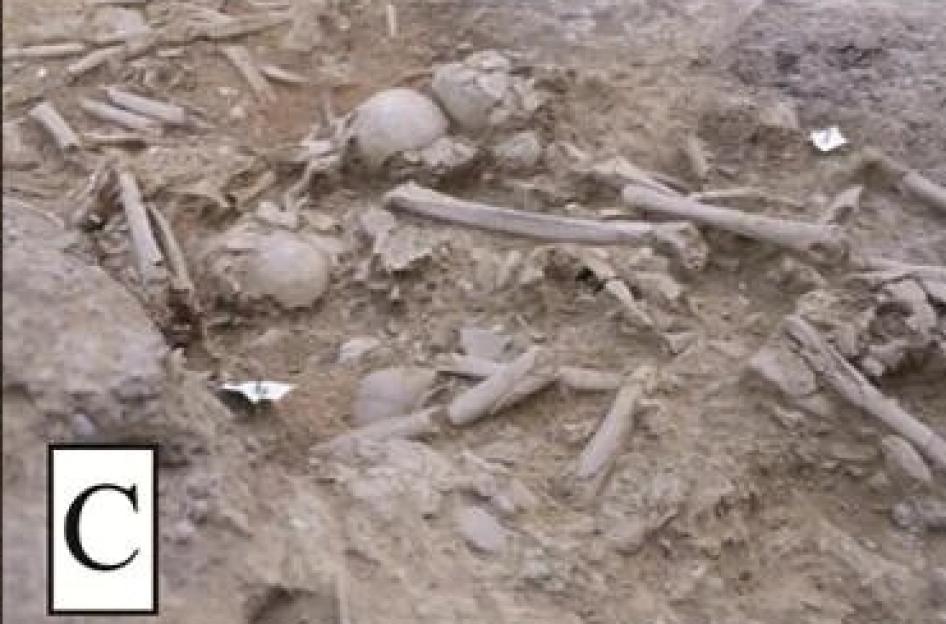 At least 37 people were identified from the teeth and bones Credit: Skopal et al. Antiquity (2026)
Due to “the extraordinary quantity of human remains inside, Jar 1 currently stands apart from other jars excavated in Laos,” he told Live .
It is also unusual for its thick walls, broad base and bowl-like appearance.
“The big jar we’ve found is unique, and I’ve seen a lot of jars,” joked Skopal.
The Plain of Jars in the remote town of Phonsavan has long puzzled archaeologists.
But this latest find has confirmed their suspicions – the jars were used in ancient burial rituals.
Skopal has a particularly chilling theory for the use of the smaller vessels.
“Maybe they used those [smaller] stone jars to ‘distill’ the bodies — so when someone died, they might have put the body in there so all the flesh came off,” Skopal suggests.
“Then they took the bones and they put them in this big jar… so it’s almost like a crypt”, he added.
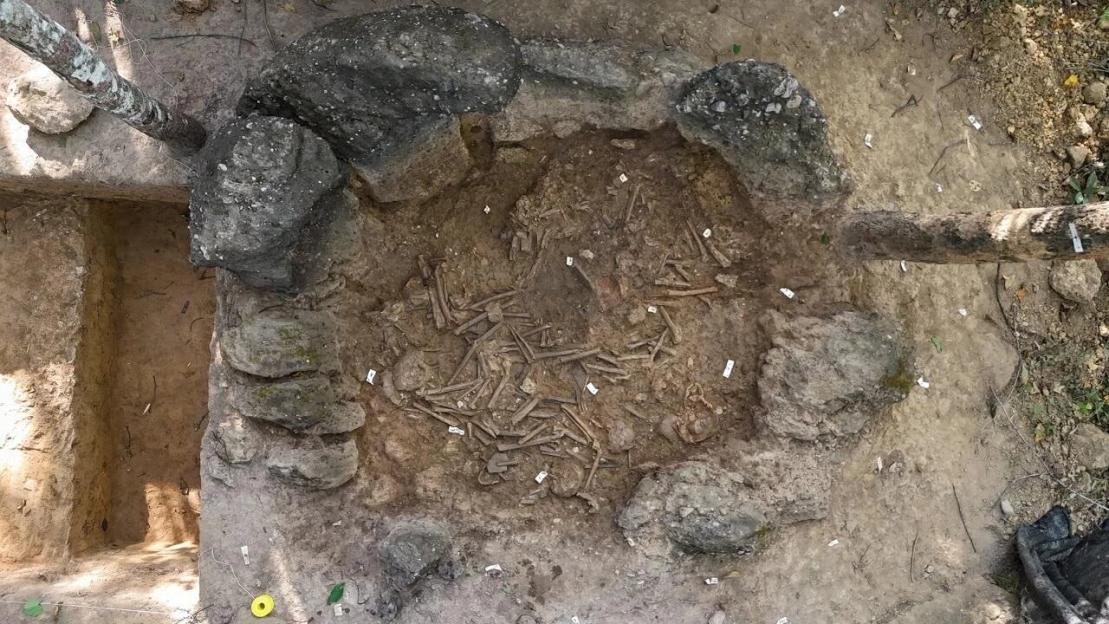 Scientists used radiocarbon dating to trace the remains back to several times between 890 and 1160 Credit: Skopal et al. Antiquity (2026)
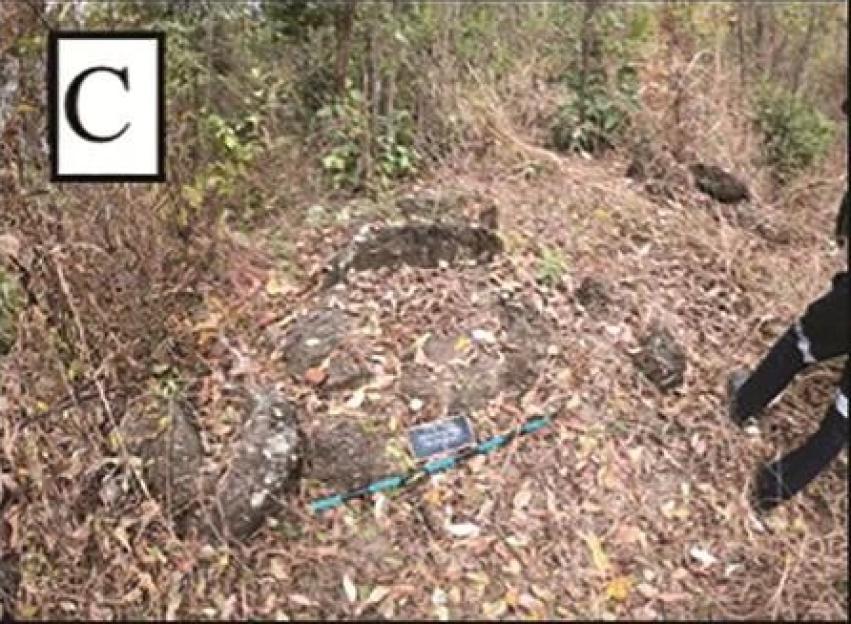 The Plain of Jars has lone remained a mystery – but now archaeologists may be close to solving it Credit: Skopal et al. Antiquity (2026)
But little is known about the civilisation which crafted these haunting death jars.
Burial vessel expert Don Matthews, from the Australian National University, said: “The discovery of human remains inside a large stone jar is a new and significant addition to the Plain of Jars research”.
But he warned that theories cannot be confirmed until “wider research and excavations observe similar burials within the Plain of Jars.”
“The current evidence suggests this was a collective mortuary space used repeatedly over generations, potentially by extended family or community groups,” Skopal said.
Next steps will include sequencing to find out whether these people were related.
“Ancient DNA will hopefully allow us to investigate biological relationships between individuals“, confirmed the researcher.
Archaeologists also discovered several colourful glass beads inside the death jar.
Archaeologist Skopal think these “were likely important components of the final mortuary ritual and ancestral commemorative practices”.