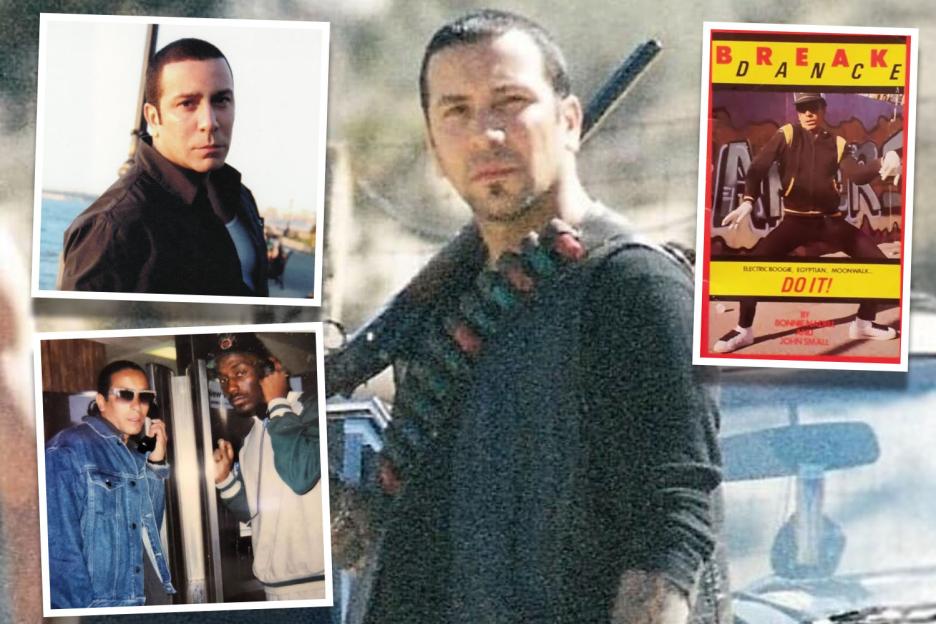
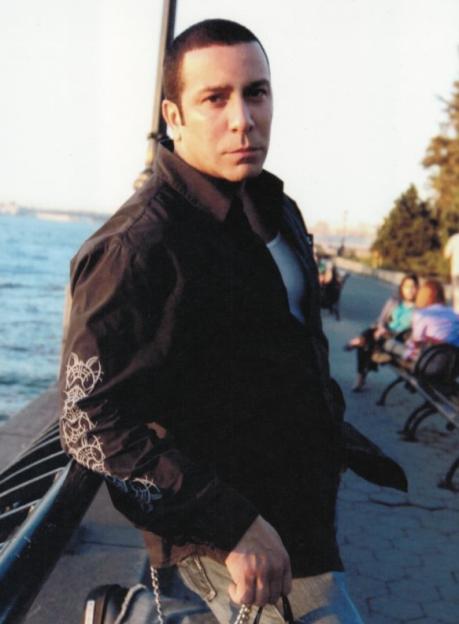
STORENZO Dominic was the dancer everyone noticed in New York clubs – he was the good-looking B-boy with the long hair, the local fame and the moves.
He toured, mixed with big names in the hip-hop scene and built a reputation as “that famous guy from the hood that people looked up to”.
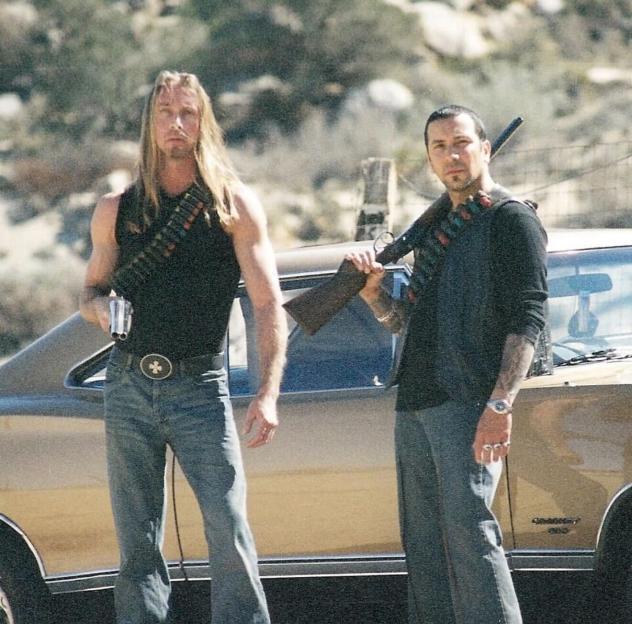 Former gun dealer Storenzo Dominic (R) pictured on the set of 62 Pick Up in California, 2002Credit: Supplied
 Dominic was a well-known dancer in New York clubs, touring and gaining fameCredit: Supplied
 The break dancer secretly became a gun trafficker, moving weapons to gangs and drug dealers for large sumsCredit: Supplied
What almost nobody knew was that he was also making quick money as a gun trafficker – moving weapons to street gangs and drug dealers and pocketing “a few $100,000” in a single transaction.
For years, he said, he hid the two lives in plain sight.
He told The Sun: “I hid it well. I never s*** where I ate.”
Dominic, who grew up in Williamsburg, , said his story started in a neighbourhood that looked nothing like the fashionable area it is today.
He was raised in a low-income but tight-knit family, with food on the table, clothes on his back and parents who kept a close eye on him. But outside the home was a different world.
Back then, gangs were not some distant threat whispered about by adults. They were there on the block, visible every day, staking out small patches of territory and defending them with brute force.
Dominic explained: “These street gangs occupied such small pockets of the city. A quarter-mile radius – sometimes just a block or two – was their entire world, and they protected it with everything they had.”
He remembers being a boy at the window,
“I would hang out my window and I would see these two gangs go into literal rumbles, you know, with zip guns and chains, bricks and knives,” he said.
“When I was there, it was strictly projects, ghettos, and gangs.
“The violence and the gang presence were constant. It was an atmosphere that was always visible to us.”
He admitted he was fascinated by it.
“Even as a kid, I was drawn to the gangs,” he said. “I was always intrigued. I wanted to be a gangster.”
But strict parents and a strong family structure stopped him going down that road as a child. He could play gangster outside, then be back upstairs for dinner at 5pm.
He thanked the rise of hip-hop and dance culture with keeping him away from the Nuyorican – the Puerto Ricans in New York.
“When dance entered the picture, it became a lifeline for us, a way to escape the influence of the gangs,” he said.
By then, in his 20s, Dominic said he had become well known in New York’s club scene.
“I became an amazing dancer. I was touring, I was popular in every club in City,” he recalled.
“When you hear about groups like Rock Steady, those are all my friends. We were all in it together. And I had fame. I really had fame.”
It was that fame, he said, that helped pull him back towards the street economy he had tried to leave behind.
He revealed the turning point came when he met a woman running a store near where he grew up.
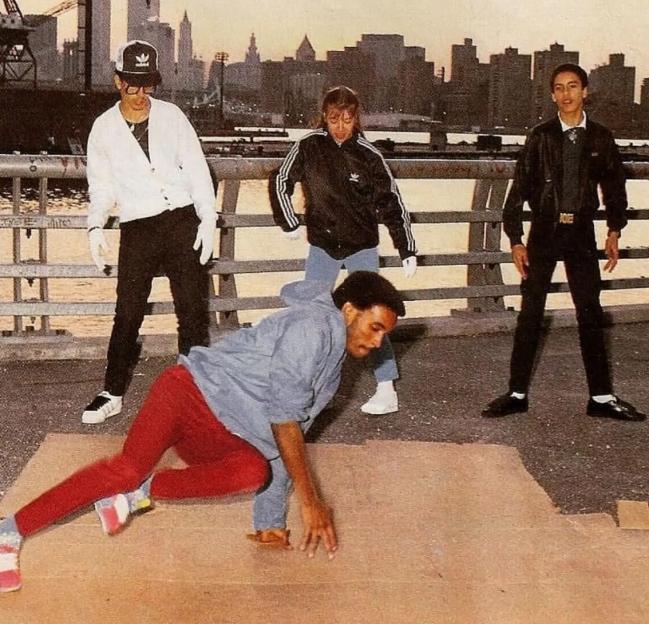 A young Dominic (R) pictured in 1982 during his early dancing daysCredit: Supplied
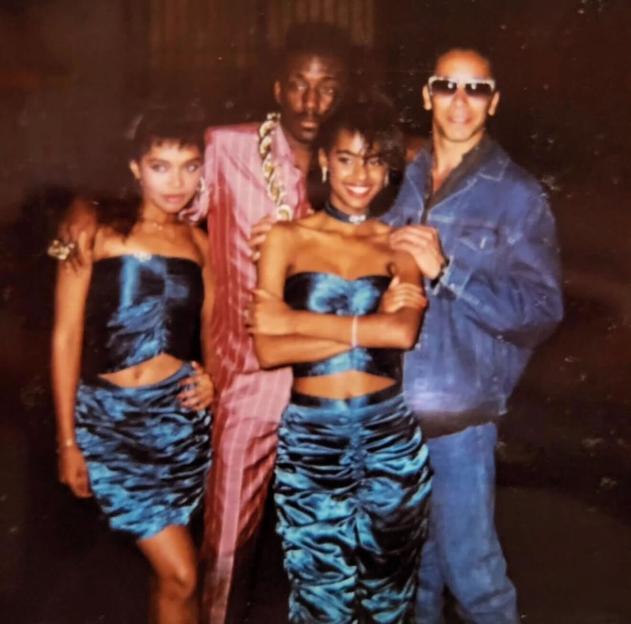 In his 20s, Dominic said he had become well known in New York’s club sceneCredit: Supplied
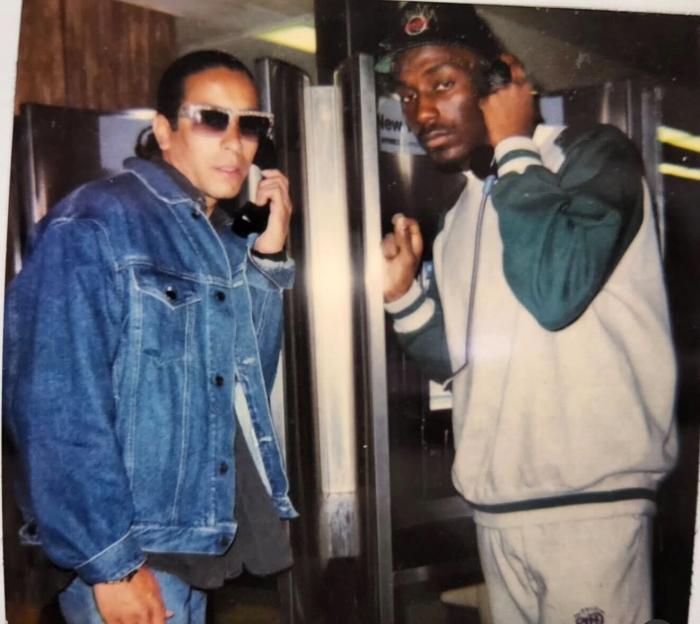 Dominic’s gun trafficking operation expanded significantly, supplying firearms from various sources to New York, New Jersey, Florida, and Puerto RicoCredit: Supplied
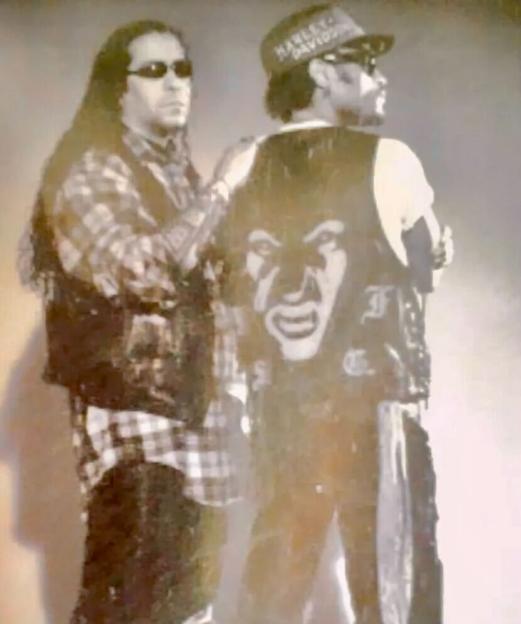 He revealed that a single transaction could get him as much as $100,000Credit: Supplied
“This lady was a drug dealer with her husband,” he said. “I met this one lady, and she turned me on to cocaine. So, I started doing cocaine.”
Soon he was back in the orbit of old street contacts and newer dealers too.
“They used me to get into the clubs and meet all the chicks and, you know, and because I was that popular kid,” he said.
“I never dealt , it wasn’t my thing. But I was doing drugs and I was hanging out with all the dealers.”
From there, the trade crept in as a before it tightened its grip and began to define everything around him.
“I started hanging out with the wrong people, picking up guns here and there,” he said.
“It was small-time back then, just filling a need when somebody asked. I knew where to get them.”
But that “small-time” hustle didn’t stay small for long as it soon evolved into a massive interstate pipeline that moved far beyond .
“By 1999, I was moving an abundance of firearms from here to and Puerto Rico,” he recalled.
The scale shifted and his role was no longer peripheral, but embedded deep within the machinery.
“I was supplying the drug dealers,” he said.
“I wasn’t the ‘main guy’ at the very top, but you rule where you are. You rule your own territory.
“I had a personal arsenal that was second to none. Back then, you could pretty much get anything you wanted from me.”
He insisted he kept it all hidden from the people closest to him, adding he very rarely sold anything to anyone in his neighbourhood.
“They never really knew just how much control I had over selling. Not even my cousin.
“He was always with me, he was my best friend, and even he didn’t know. I never told them.”
At the same time, he was still dancing, bouncing at clubs and building up a public name that had nothing to do with guns.
But the gun trade was doing really well and bringing him quick money.
He said his buyers were street gangs and drug dealers – and although demand stretched as far as Puerto Rico, his core operation was closer to home in New York and .
The supply chain behind it all, he explained, was anything but simple.
It was an irregular network pulling from multiple directions, some of it reaching beyond US borders.
“The guns were coming from overseas,” he said.
“Some of them came in from . And others were from the Midwest because they were easier to get. Philadelphia, sometimes, even easier as it was so close.”
It was a system built on access and opportunity, shifting depending on what was available and where it could move most easily.
And alongside that, he maintained key relationships that kept the operation moving.
“I had that Florida connection at one point, and then I did really well shipping stuff to Puerto Rico.”
Asked how much money could be involved in one transaction, he answered: “A few $100,000.”
That secret life was running alongside another ambition: music.
After his dancing career, Dominic said he had a rap career going, with shows at the Apollo Theatre and a manager who was deeply involved in the drug trade.
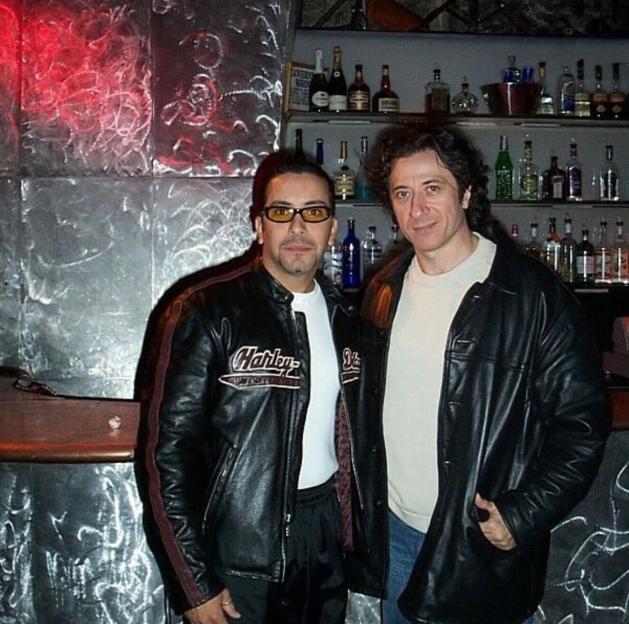 Dominic pictured alongside The Sopranos star Federico CastelluccioCredit: Supplied
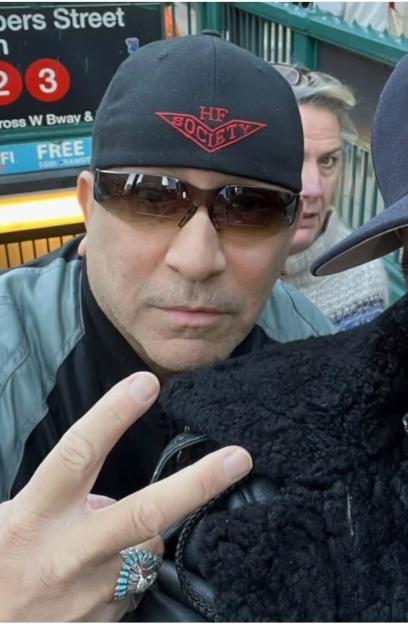 His double life unravelled after an arrest in Puerto Rico, leading him to fight his caseCredit: Supplied
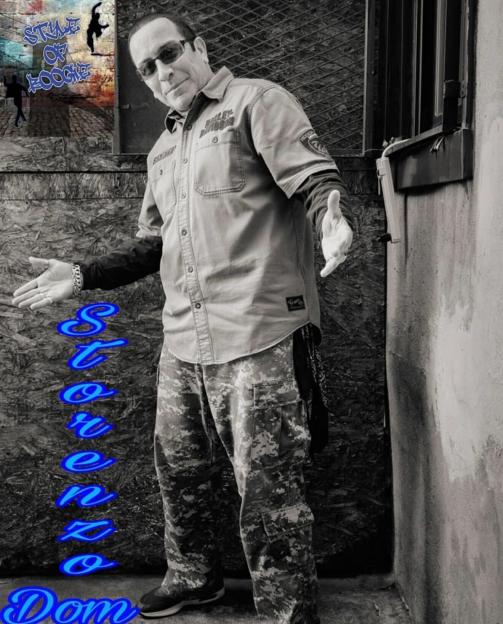 He eventually came back to NYC and rebuilt his life through legitimate businessesCredit: Supplied
Dominic would also travel with huge sums of cash.
“I would go there with $300,000 strapped on me,” he said.
“We were buying the drugs in Puerto Rico, and we would supply some of the guns.”
By March 1993, he wanted out as he had a , a home, and enough money to leave that life behind.
But his manager persuaded him to go once more, saying he was the only one to be trusted with the job as he was no longer doing drugs.
And it did end up being his final trip, but not for a good reason.
“That’s the trip where I got bagged,” he said.
He was arrested in Puerto Rico – and had the double life he so fought to keep hidden was brutally unravelled.
“That exposed me to everyone that didn’t know that part of me… it opened up Pandora’s box,” he said.
For him, the hardest part was not the arrest itself. It was his mum finding out.
She learned of his arrest through a newspaper report.
“Not many people are called Storenzo and are from New York”, Dominic said.
“I’m a mama’s boy, I speak to my mother twice a day no matter where I go in the world.
“So she noticed right away that something was wrong, because I hadn’t called her in days.
“She was crying and couldn’t believe that her dancer son was caught up in all of this.”
Dominic said he spent about a year in Puerto Rico fighting the case – and challenging the way evidence had been gathered.
“Everyone says I was an idiot, but I decided to fight my case,” he said.
He claimed the case eventually went all the way to Puerto Rico’s .
He said he won, but returned home with nothing.
“When I came home, I literally had $50 in my pocket. Here I am starting all over,” he said.
It was one of the dealers who still owed him money, he said, who gave him the $5,000 foothold he needed to rebuild.
From there, he said, he built tattoo businesses and hair salons, did several acting gigs and stayed away from for good.
Now retired, Dominic still works two days a week in New York training new security guards and wants nothing to do with his past life.
He said: “I train up and coming security guards cause I was a bouncer for 14 years, then I did security work for years after that. So I’m still teaching the new generation how to do security.”
Still true to his roots, he also runs a dance studio in New York City.
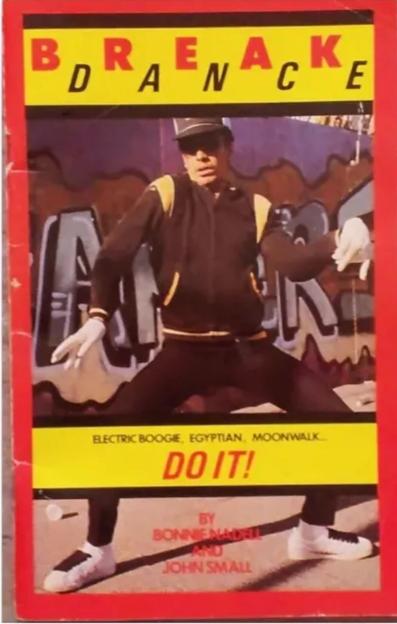
He teaches the history of specific underground dance subcultures from New York City’s 1970s and 80s, like Lofting and Electric Boogie.
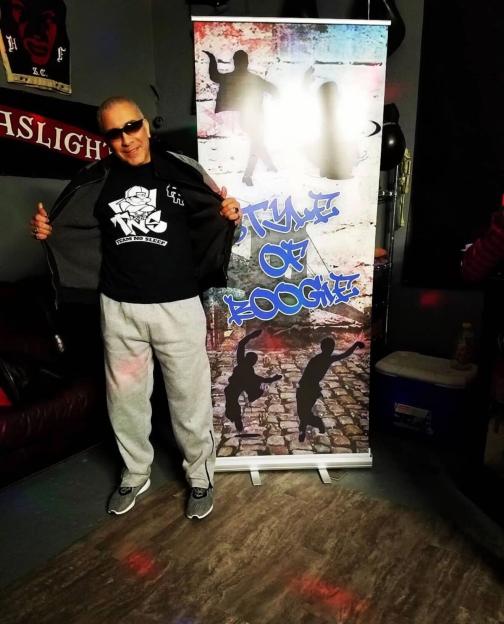 Today, he runs a dance studio in NYC and works two days a week training new security guardsCredit: Supplied